Below 20°F
Most heat pumps start losing real capacity here. A furnace or electric backup needs to pick up the difference, or your house loses ground on the coldest nights.
 Let a pro reach out
Send the request and finding a pro stops being your problem.
A heat pump can keep a Wisconsin house warm in January, but it needs help doing it. Below a certain outdoor temperature, most heat pumps lose capacity, and that's the point where your system is either backed up by a furnace or it starts leaning hard on electric strip heat. Which setup you have, and whether it was sized and installed right for a Wisconsin winter, makes the difference between a warm house and a cold one on the worst night of the year.
Most homes around you heat with gas, which is part of why a heat pump install here takes someone who knows how to pair it with a furnace or a backup heat source, not just how to mount a unit on a slab. Power here isn't cheap either, so if your system is quietly switching over to strip heat more than it should, you're paying for it every month without necessarily knowing why.
This is not a job for guesswork, and it's not one you should have to research alone. Finding a contractor who installs heat pumps correctly for this climate, one who understands dual-fuel setups and knows how to size a system so it doesn't fall short at ten below, usually means hours of searching, calling a few companies, explaining your system over and over, and trying to compare quotes that are not really comparable.
Send the form on this page instead. Once it's in, the search is no longer yours to run. You stop calling around, stop repeating the same details to a fourth or fifth company, and stop trying to guess which quote is honest. Someone qualified gets the details of your situation and takes it from there.
What you want is simple enough to say: a heat pump that actually carries you through a Wisconsin winter, backed up the right way, without a surprise on the power bill. Getting there starts with who installs it.
A heat pump can heat a Wisconsin home through the winter, but not on its own once the outdoor temperature drops into the teens and below. Every heat pump loses capacity as the air outside gets colder, because it works by pulling heat from that air, and below a certain point there's not enough heat left in it to pull. Most installations here handle that by pairing the heat pump with a furnace, which takes over once temperatures fall low enough that the heat pump can't keep up on its own. Without that backup, a heat pump left to run alone through a Wisconsin January will fall behind, running constantly and still losing ground against the cold. Whether yours can keep up comes down to what it's paired with, and how that switchover is set up, not the heat pump itself.




Most heat pumps start losing real capacity here. A furnace or electric backup needs to pick up the difference, or your house loses ground on the coldest nights.
A heat pump paired with a gas furnace runs the heat pump when it's efficient and switches to gas when it's not. Installed together, they cover the whole winter.
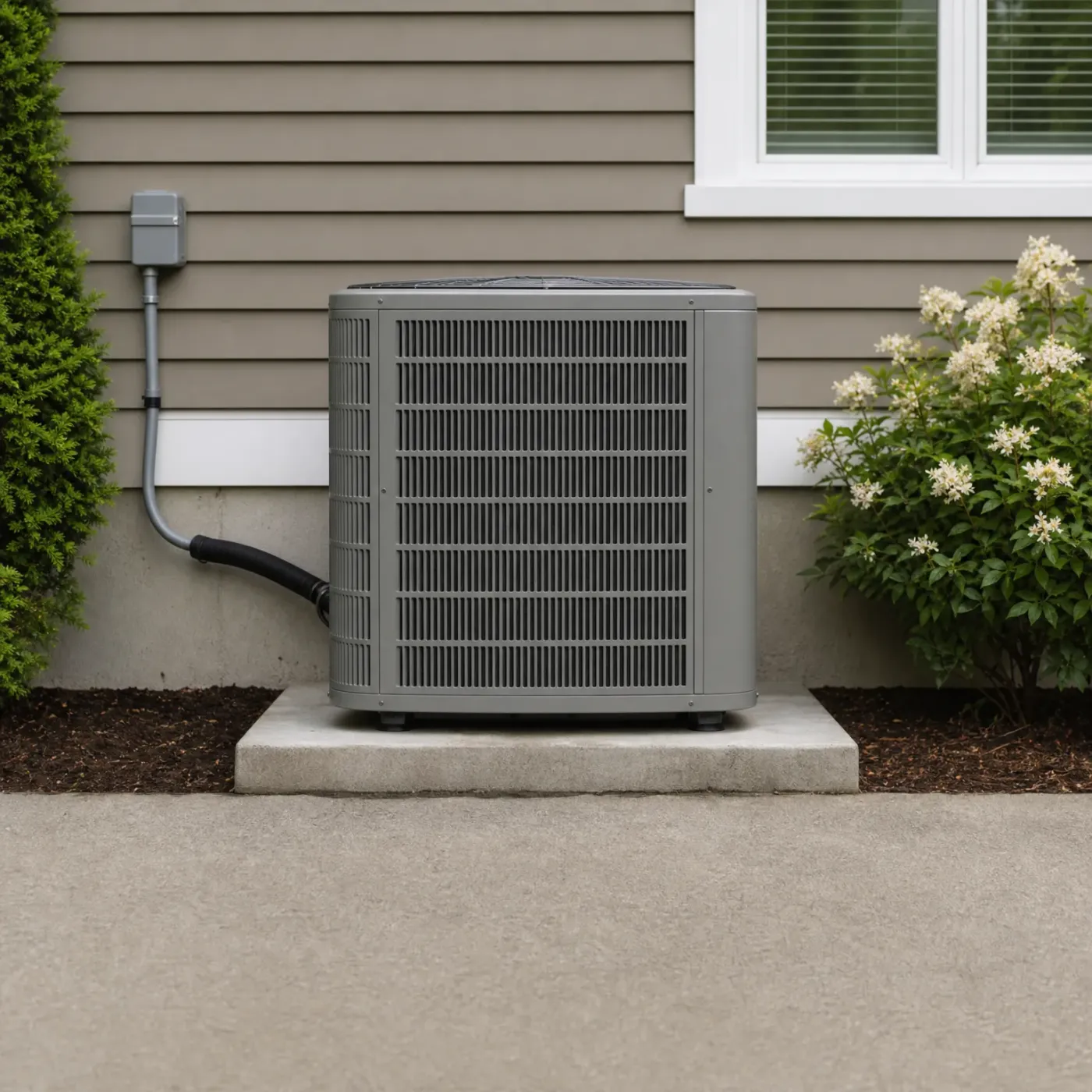
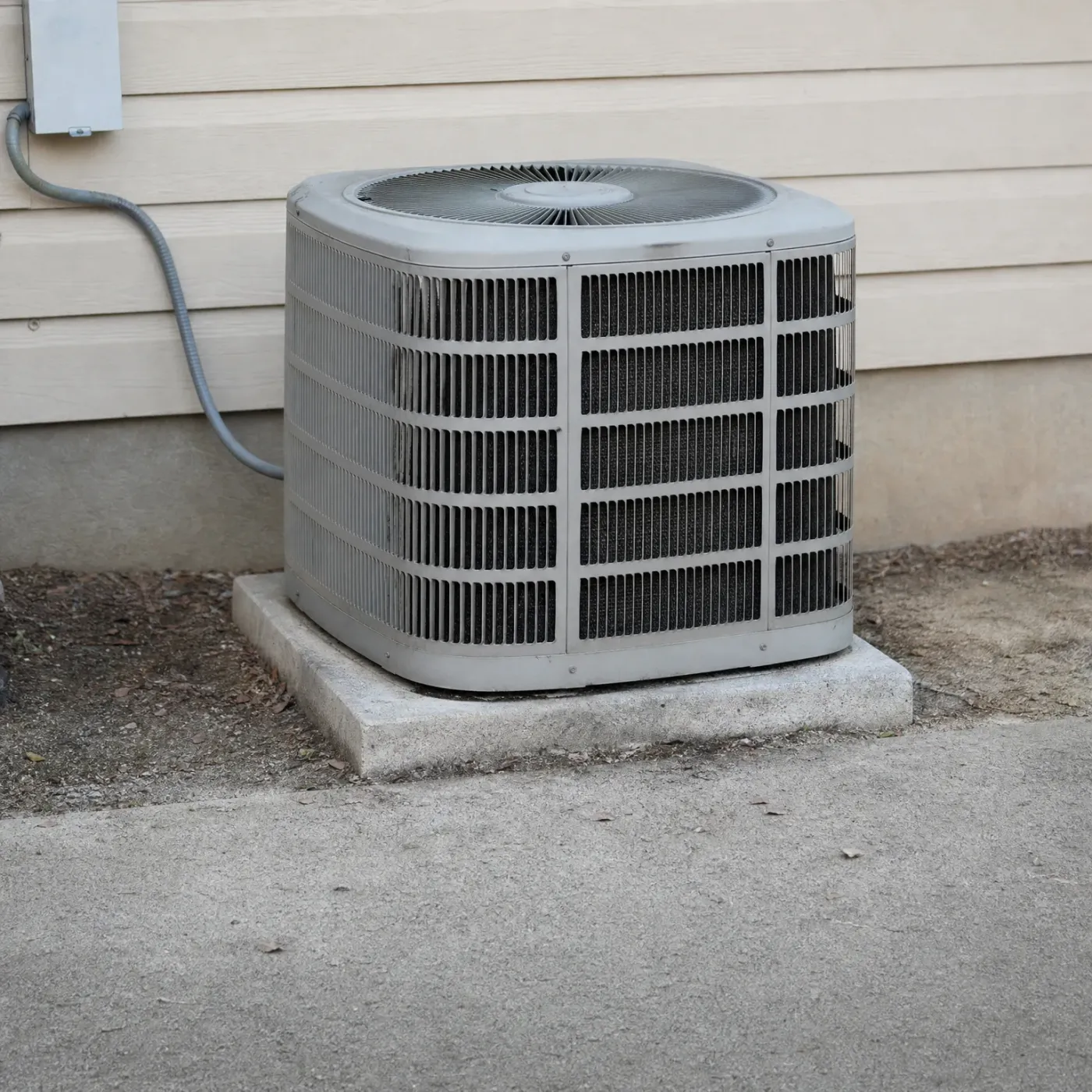
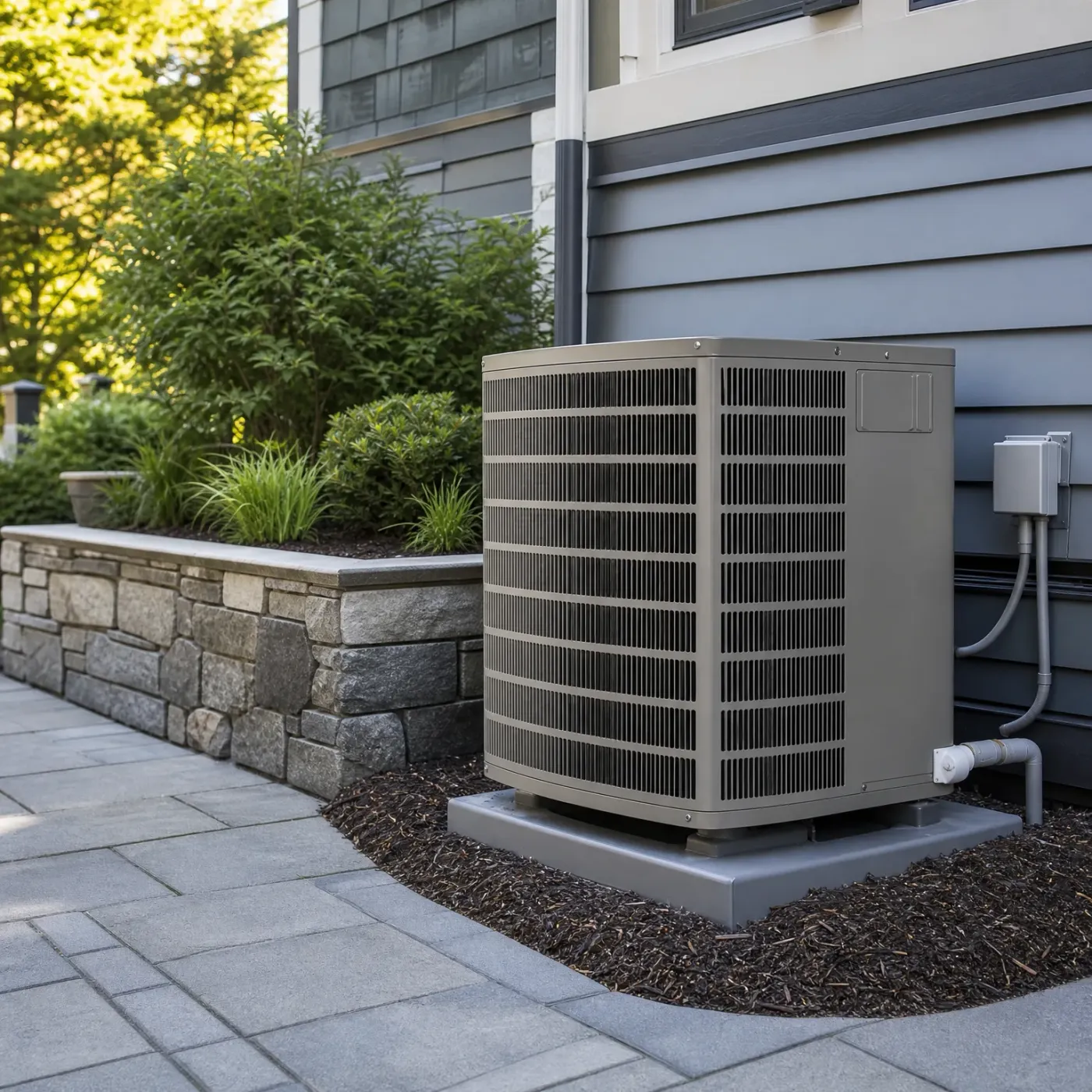
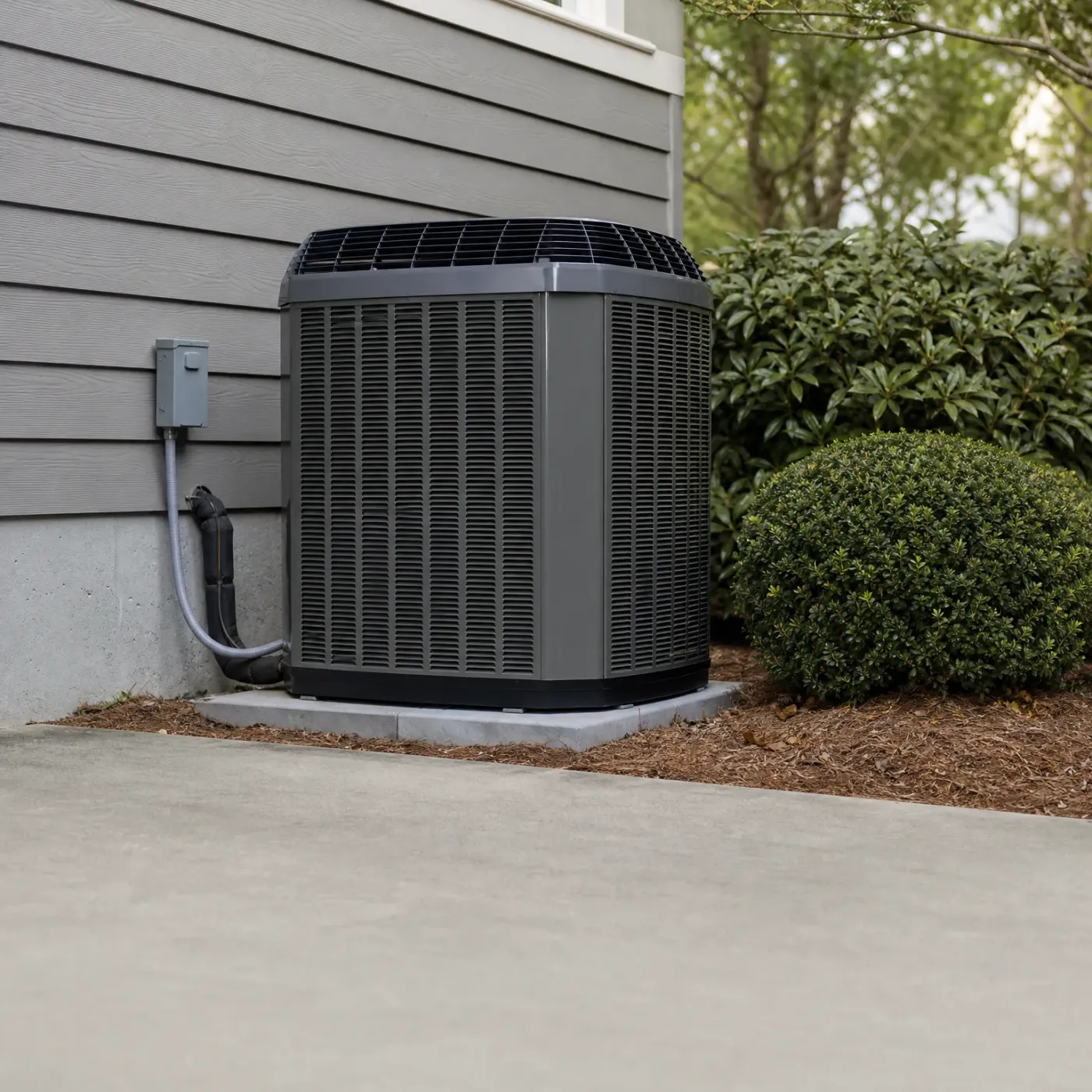
A clean unit like this, free of ice and debris, moves heat the way it's supposed to. Air passes through the fins and the system holds the house temperature without straining, even as it works harder on a cold afternoon.
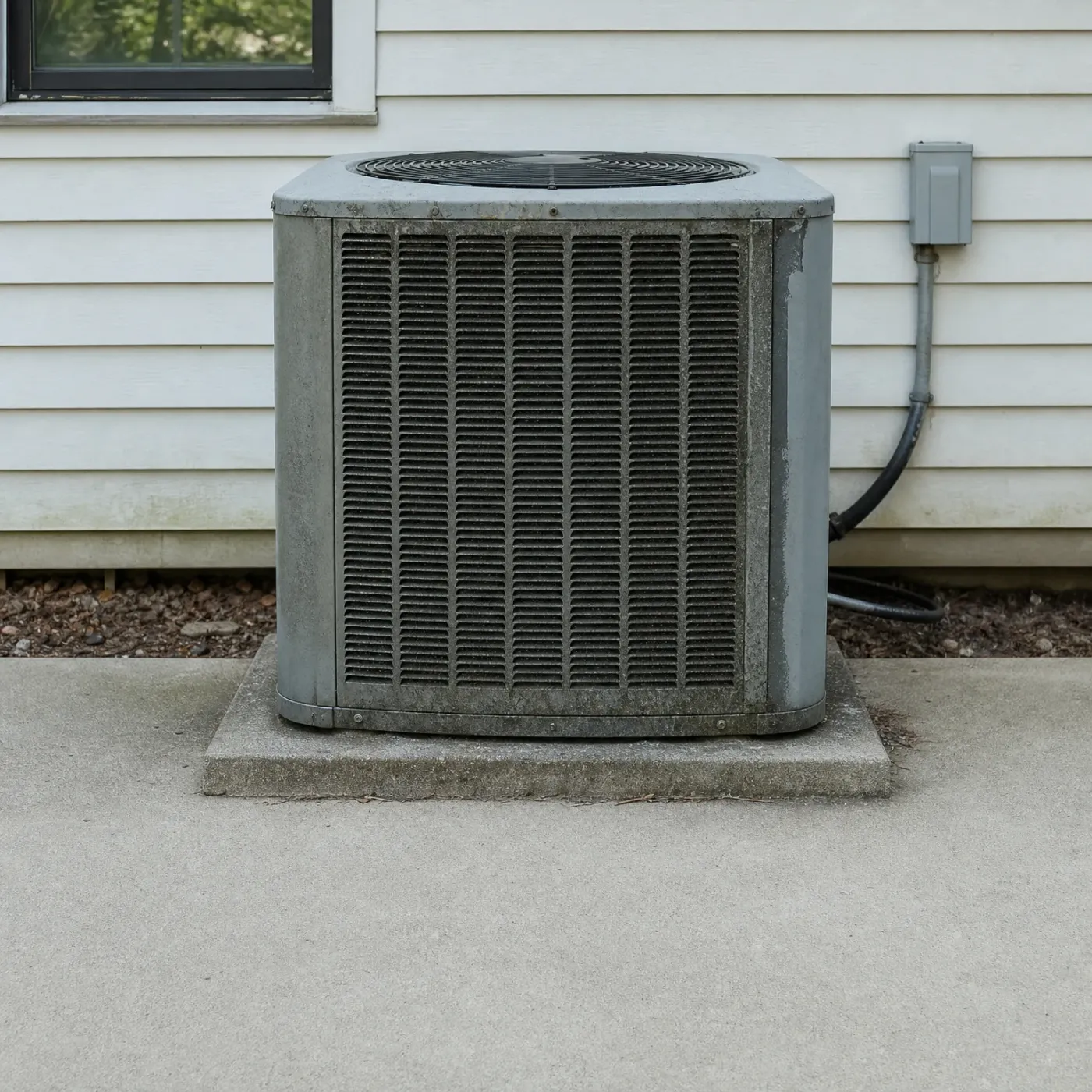
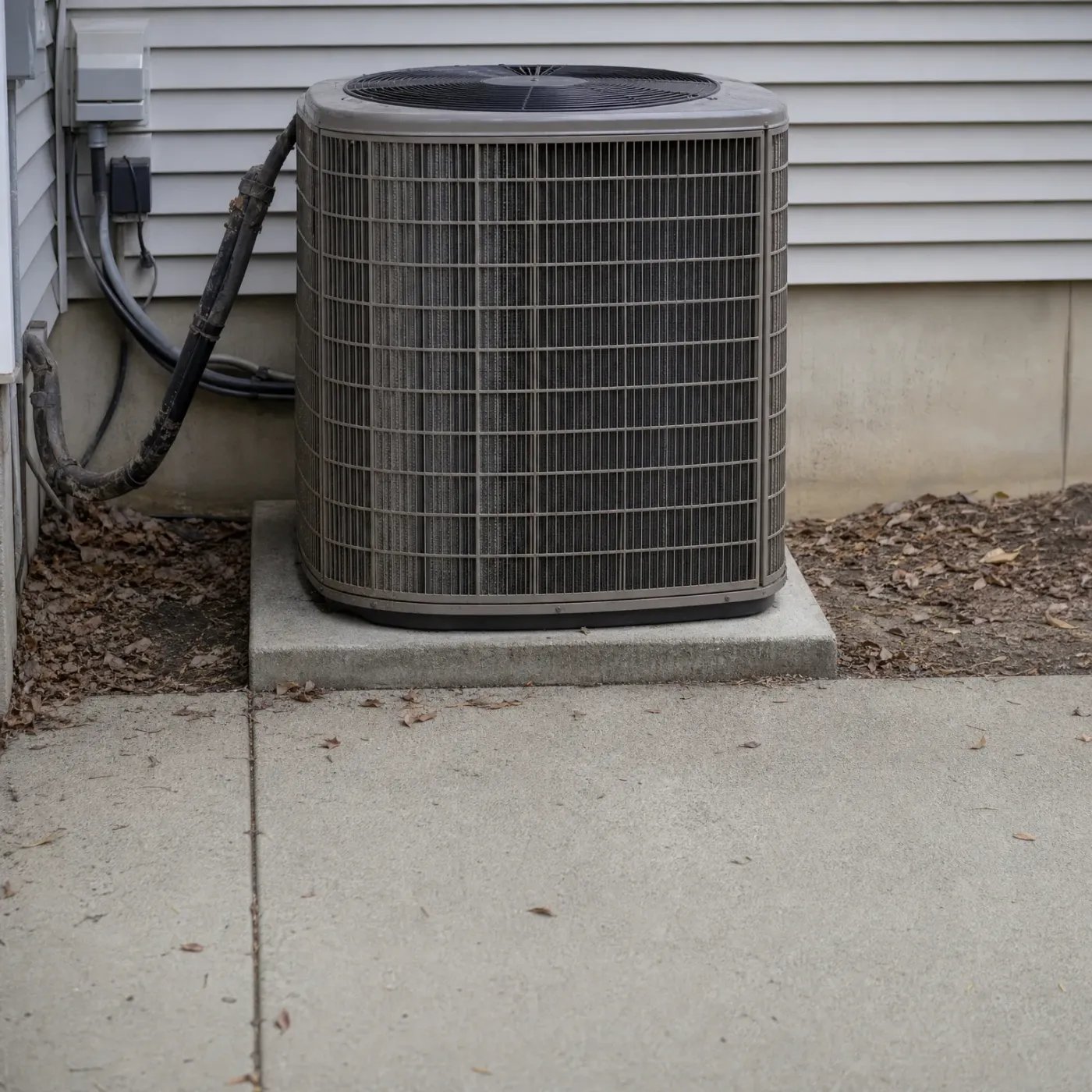
Fins caked with dirt and weather can't move air the way they need to. A unit in this shape struggles more as it gets colder outside, and on a hard January night it may not keep up without something backing it up.

If your heat pump is running alone on a night in the teens, you'll feel it before you see the bill. The air coming out of the vents gets cooler, the unit runs longer stretches, and the thermostat starts drifting a degree or two below what you set. None of that means something is broken. It means the system has hit the point where it needs backup, whether that's a furnace or electric strips, and if that backup isn't set up right, you pay for it in electricity that costs more here than the gas most of your neighbors are heating with.
Getting that setup checked, or getting a dual fuel system installed so the switch happens on its own, isn't something you have to figure out by calling around and asking the same questions to five different contractors. Send the form once and the search for someone licensed to look at your specific system is off your plate. You won't be the one sorting through quotes or explaining your furnace and heat pump setup over and over to people who may or may not be the right fit.

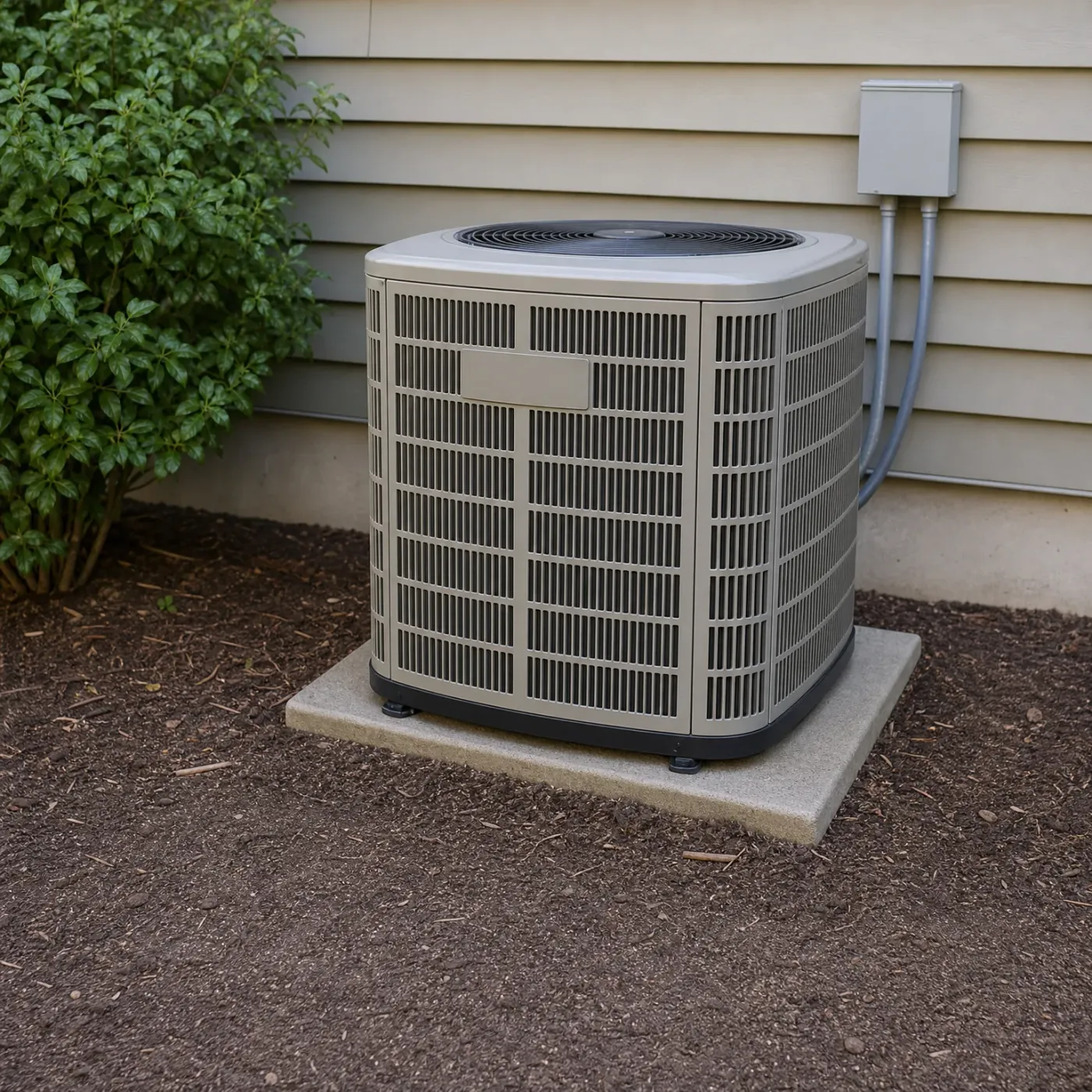
This is what a heat pump should look like outside in January: clean metal, no ice buildup, the fan free to turn. Air moves through the coil, the unit holds its cycle, and your house gets the heat it's set to.
Frost on the coil blocks airflow before you ever notice the house cooling. The unit works harder to pull the same heat through, and on a hard freeze it can fall behind the thermostat entirely, leaving your backup heat to cover the gap.


Describe your heat pump job once, to one pro.
One request and the search for a pro is handled.
You only hire the pro if you want to.
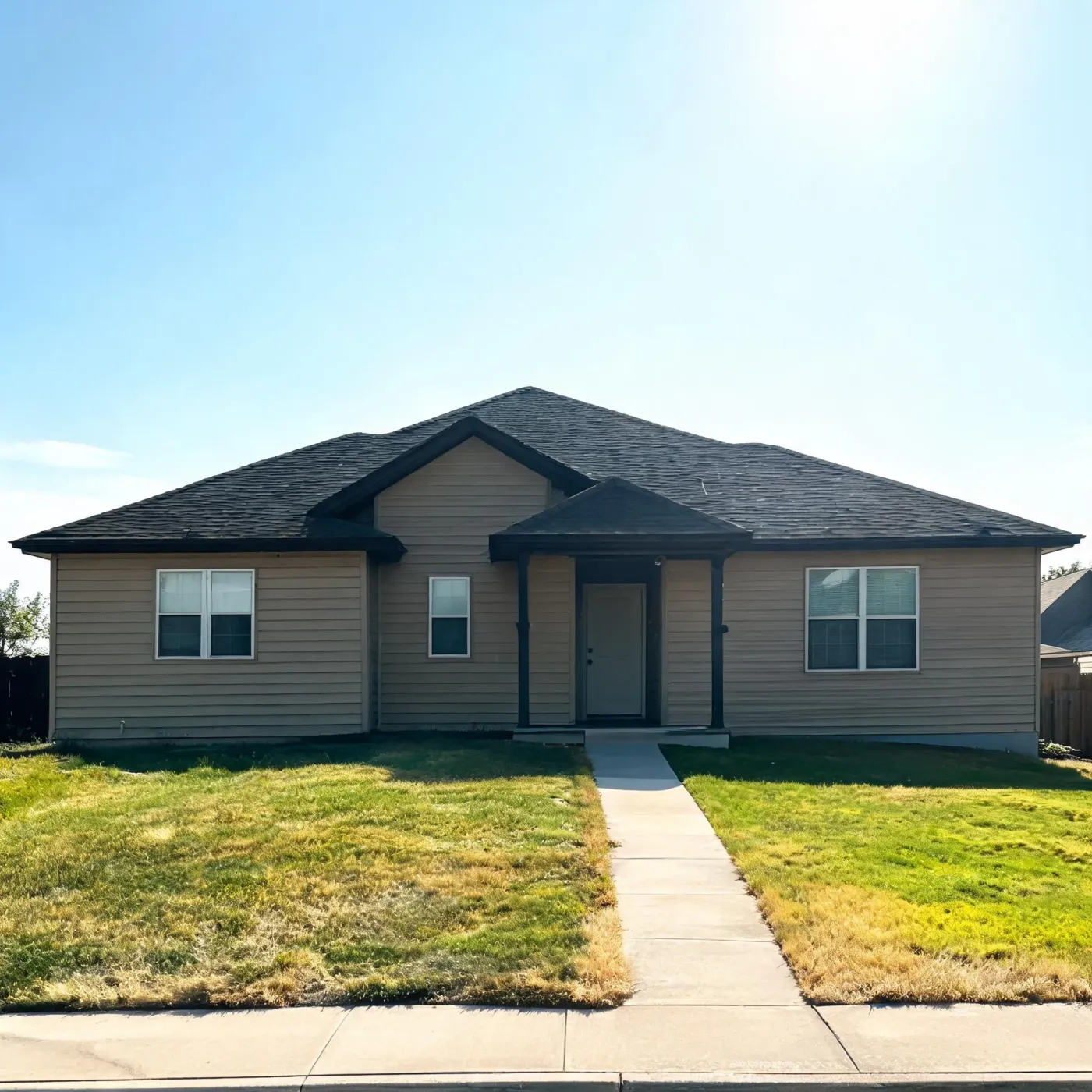
Summer here isn't just hot, it's heavy. Averaged across June, July and August, the dew point in Wisconsin sits at 60°F, per NOAA climate data, the range where air starts to feel thick instead of just warm. Your heat pump has to pull that moisture out of the air before the house feels comfortable, not just drop the temperature. That's extra work on top of cooling, and it's why the unit can run long stretches on a muggy evening even when the thermostat says you're close to the setpoint. A system sized and installed right for that load keeps up without straining. One that isn't will run longer and still leave the house feeling damp.
NASA POWER T2MDEW county cells weighted by homes
On a cold night you'll notice the air from the vents isn't as warm as it used to feel, and the unit outside is running almost constantly instead of cycling off. Check the outdoor unit and you might find frost or ice building up on the coil, which cuts down how much heat it can move into the house. If nothing is backing the heat pump up on a night in the teens or colder, the thermostat setting and the actual room temperature start to pull apart, sometimes by several degrees. Left alone on the coldest stretches of a Wisconsin winter, that gap doesn't close on its own, and pipes in unheated spaces are the first thing at risk when a house can't hold its temperature.
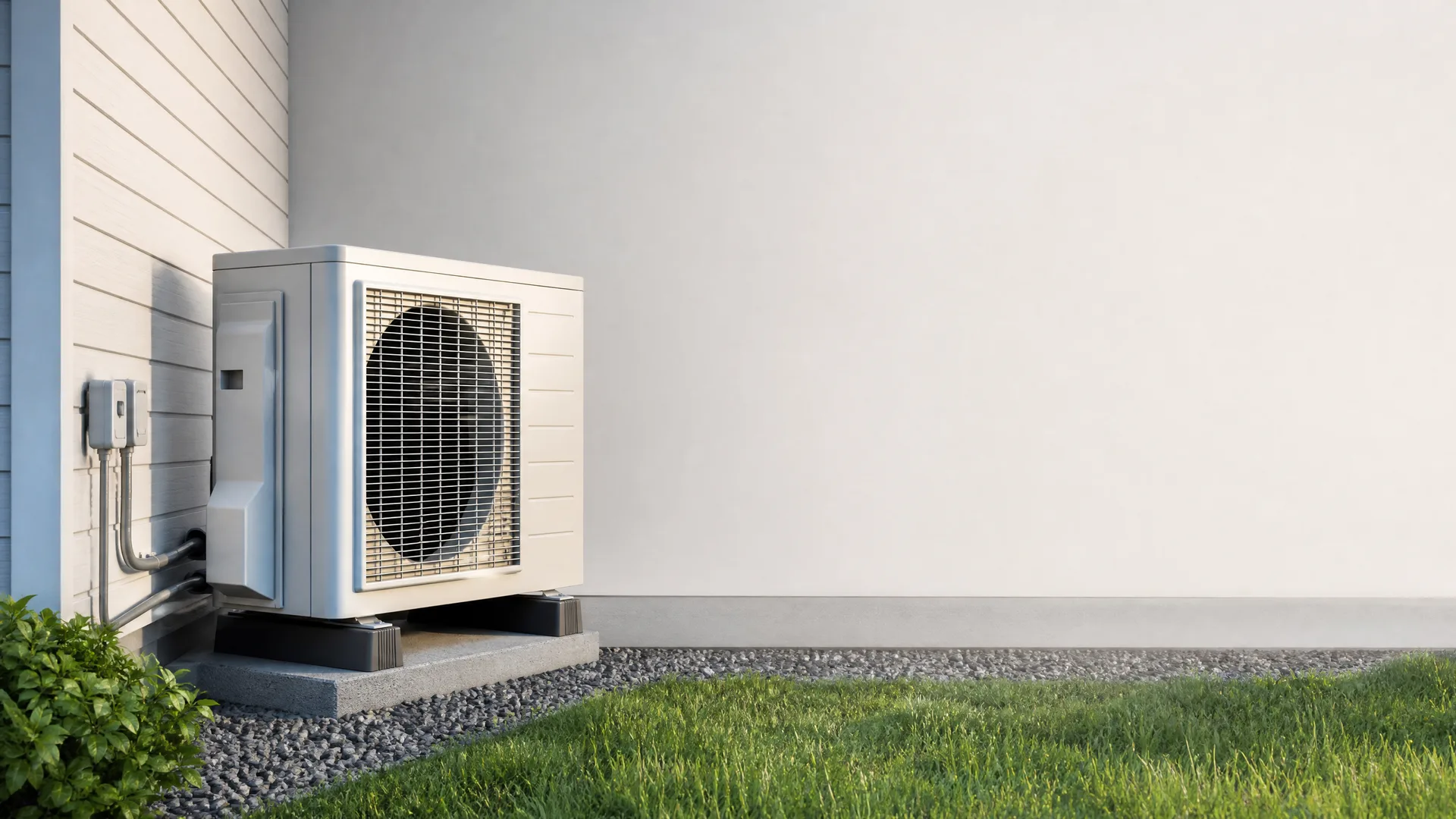
A gas furnace takes over once the heat pump can't keep up, and gas costs less here than electricity does. The furnace fires only when it's needed, so most of the season still runs on the heat pump. On the coldest stretches, the switch to gas keeps the bill from climbing the way it would if electric strips had to make up the difference instead.
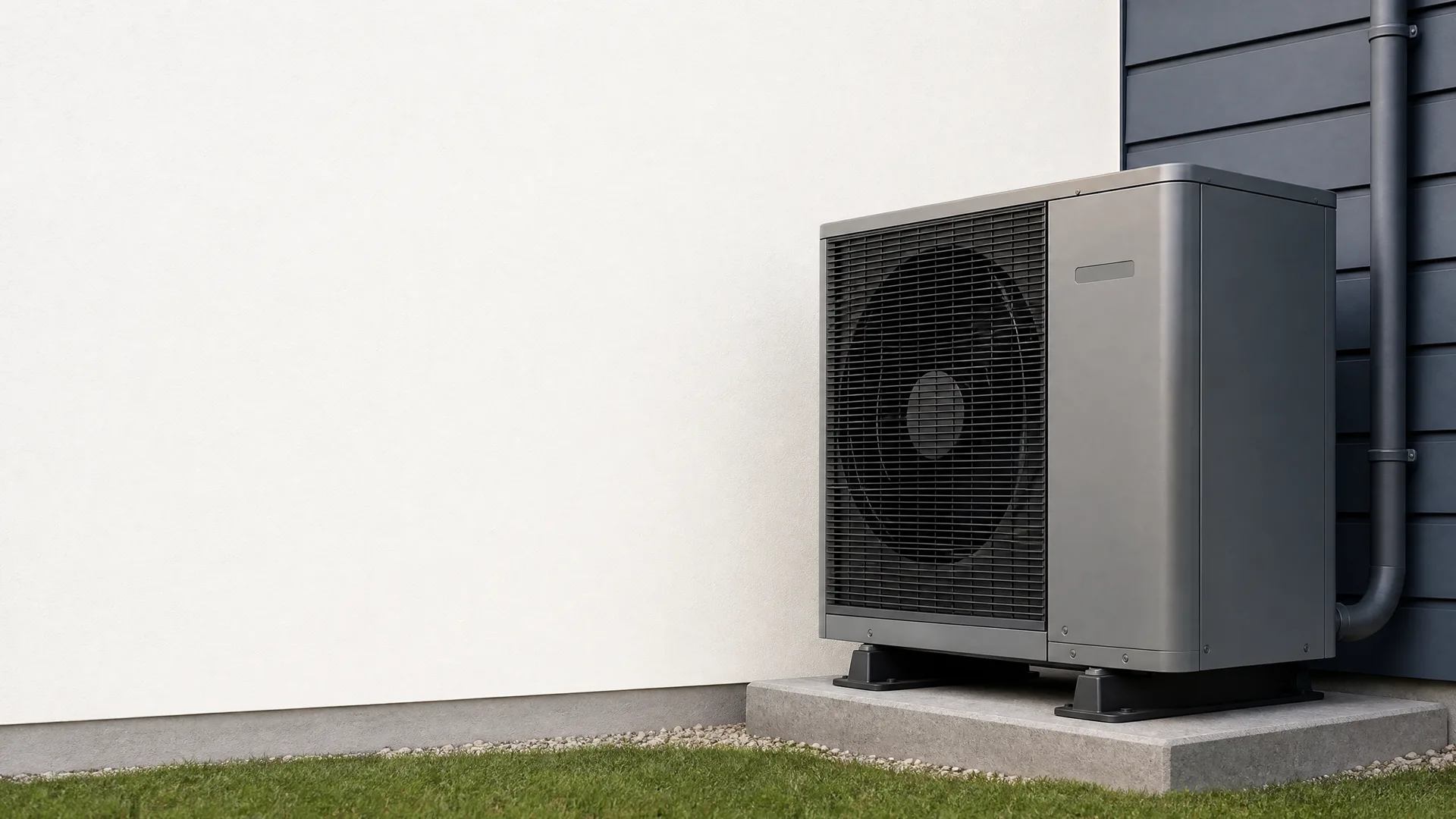
Without a furnace, the heat pump leans on electric resistance coils when it falls behind, and those coils use a lot of power to make up ground. On a night in the teens or lower, that backup can run for hours. It'll hold your house at temperature, but a stretch of real cold will show up on the electric bill before the week is out.
At that rate, every hour your heat pump leans on backup electric strips instead of a furnace adds up fast on the bill. It's why the setup behind your unit, not just the unit itself, decides what January costs you.
EIA-861 2025 statewide residential average
A heat pump can hold a Wisconsin winter, but not by itself once the air outside drops into the teens and below. What decides whether your house stays warm on those nights isn't the heat pump. It's what's standing behind it. A dual fuel setup, where a gas furnace picks up the coldest stretches, keeps you from running an electric-only system on the hardest nights of the year, and power here costs more than gas. Run the heat pump alone through a cold snap and you'll feel the difference before you see it on paper: longer run times, cooler air at the vents, a thermostat that drifts instead of holds. Ice on the outdoor unit is the same story from the outside. None of this means the heat pump is the wrong choice. It means the system around it has to be sized and backed up for what Wisconsin actually does in January, not just what it does in October. Getting that right isn't something you figure out by calling one contractor, then another, describing the same problem each time and comparing quotes that aren't quite measuring the same thing. It's a sizing and installation question, and it needs someone who's done it for this climate specifically. Once you send the details through, that search is no longer something you have to run yourself.
Skip collecting and comparing quotes for the new heat pump.