Tell us about the job
Takes about a minute. No obligation.
A contractor quoting a heat pump repair in Waukesha County starts from what the system has already been through, not just what stopped working yesterday. 212 severe weather events were recorded in Waukesha County, Wisconsin between 2015 and 2024. At that rate, severe weather is a standing condition here, not an occasional interruption, and it accumulates in specific places: refrigerant line connections that cycle through stress, contactor points that absorb electrical load through repeated demand spikes, capacitors that degrade faster under sustained strain. A contractor checks those components before pricing anything else, because the failure a homeowner calls about is often the end of a longer chain.
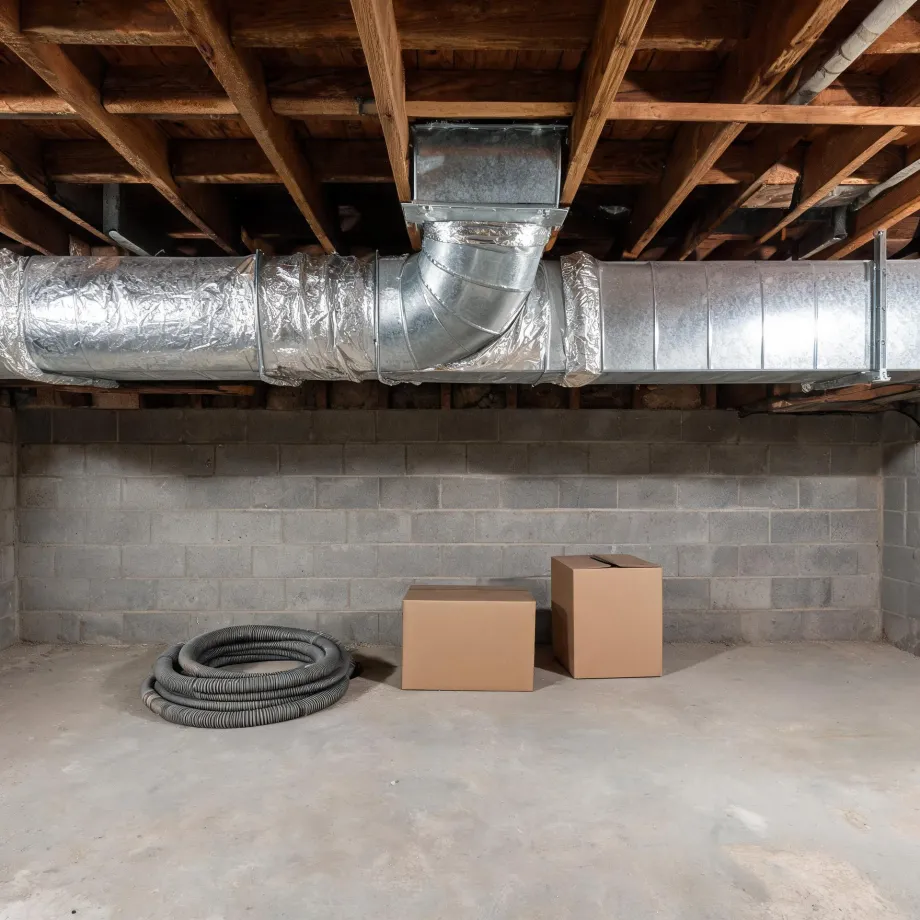
A heat pump serving a house in this county has a history behind it that a repair quote has to account for. Half the homes in Waukesha County, Wisconsin were built in 1981 or earlier (2020-2024 ACS 5-year). Housing that old has typically seen at least one round of equipment replacement since it was built, which means the system a contractor opens is often a retrofit sitting in a space arranged for something earlier. What that contractor finds when the unit is open determines whether the repair is a parts order or a conversation about what is still manufactured for a system of that generation.
The Parts of a Heat Pump a Contractor Checks First
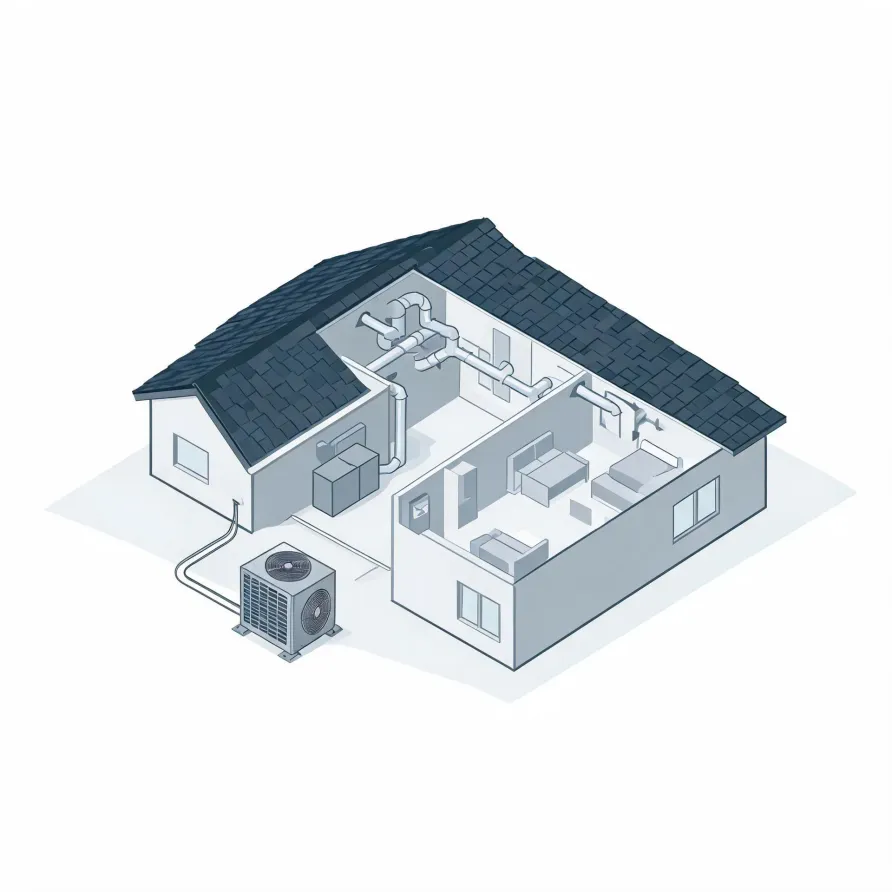
The outdoor unit is where most repairs begin. It houses the compressor, which pressurizes the refrigerant, and the outdoor coil, which either pulls heat from outside air or sheds it there depending on the season. When a heat pump stops heating or cooling, a contractor starts here, checking the compressor, the coil, and the refrigerant lines for the source of the problem.
Inside the house, the air handler moves conditioned air through your home. It holds the indoor coil and the blower. The reversing valve, which is what tells the system to switch between heating and cooling modes, sits in the outdoor unit and is one of the first things a contractor checks when a heat pump runs but won't change modes. The expansion valve, which controls refrigerant flow, is another piece that gets examined when the system is running but not performing.
The drawing shows a typical heat pump layout, and a licensed contractor determines which parts apply and what work is needed in your specific home.
Get matched in Waukesha CountyWaukesha County, by the numbers
212 severe weather events were recorded in Waukesha County, Wisconsin between 2015 and 2024.
NOAA National Centers for Environmental Information, Storm Events Database, bulk CSV export, events 2015-01-01 through 2024-12-31.Half the homes in Waukesha County, Wisconsin were built in 1981 or earlier (2020-2024 ACS 5-year).
U.S. Census Bureau, 2020-2024 American Community Survey 5-Year EstimatesWaukesha County, Wisconsin holds 175,591 housing units (2020-2024 ACS 5-year).
U.S. Census Bureau, 2020-2024 American Community Survey 5-Year EstimatesOwners occupy 76.0% of the occupied homes in Waukesha County, Wisconsin (2020-2024 ACS 5-year).
U.S. Census Bureau, 2020-2024 American Community Survey 5-Year EstimatesRepair Rules & Codes Covering Heat Pump Work in Waukesha County, Wisconsin2 sourced standards and rules
Licensing and Legal Requirements in Waukesha County, Wisconsin
A Wisconsin business that employs a certified HVAC qualifier is a certified HVAC business, and no city or county may require it to hold a local certification or licence on top of that.
Wisconsin requires a state HVAC contractor registration: no person or business may install or service heating, ventilating or air conditioning equipment, or offer to, without one.
Severe Weather Events in Waukesha County
Extreme weather puts real strain on heat pump systems, which have to work harder and longer to hold indoor temperatures steady when conditions outside shift fast or run to extremes. How much stress a unit accumulates over its life is partly a local question, and the record below reflects what the climate in this area has actually produced.
212 severe weather events, 2015–2024. Source: NOAA National Centers for Environmental Information, Storm Events Database.