Profile view of a bearded man wearing a black baseball cap and a dark gray T-shirt against a plain light background.

How cold is too cold for a heat pump in Wisconsin

Step 1 of 3: Equipment

How cold is too cold for a heat pump in Wisconsin?

Winter here gets well below freezing for weeks at a time, and if you're running a heat pump you've probably noticed it work harder, or switch over to backup heat, once the cold really sets in. You want to know if there's a point where it just stops doing the job, and whether that means something is wrong with it or if that's just how these units behave once the temperature drops enough.

Most heat pumps lose their edge somewhere between 0 and 5 degrees

Below that range, a standard heat pump struggles to pull enough heat out of the outdoor air to keep your house warm, and it leans on backup electric heat to fill the gap. That's not a malfunction. It's how the refrigerant cycle works: the colder the air outside, the less heat there is to move indoors. Wisconsin winters hit single digits and below often enough that this matters. A newer cold-climate heat pump can keep working efficiently down to around minus 10 or minus 15, which is a real difference if your current system is older and wasn't built for that. Given how expensive power is here, how well your heat pump handles the coldest nights has a direct effect on your bill most winters.

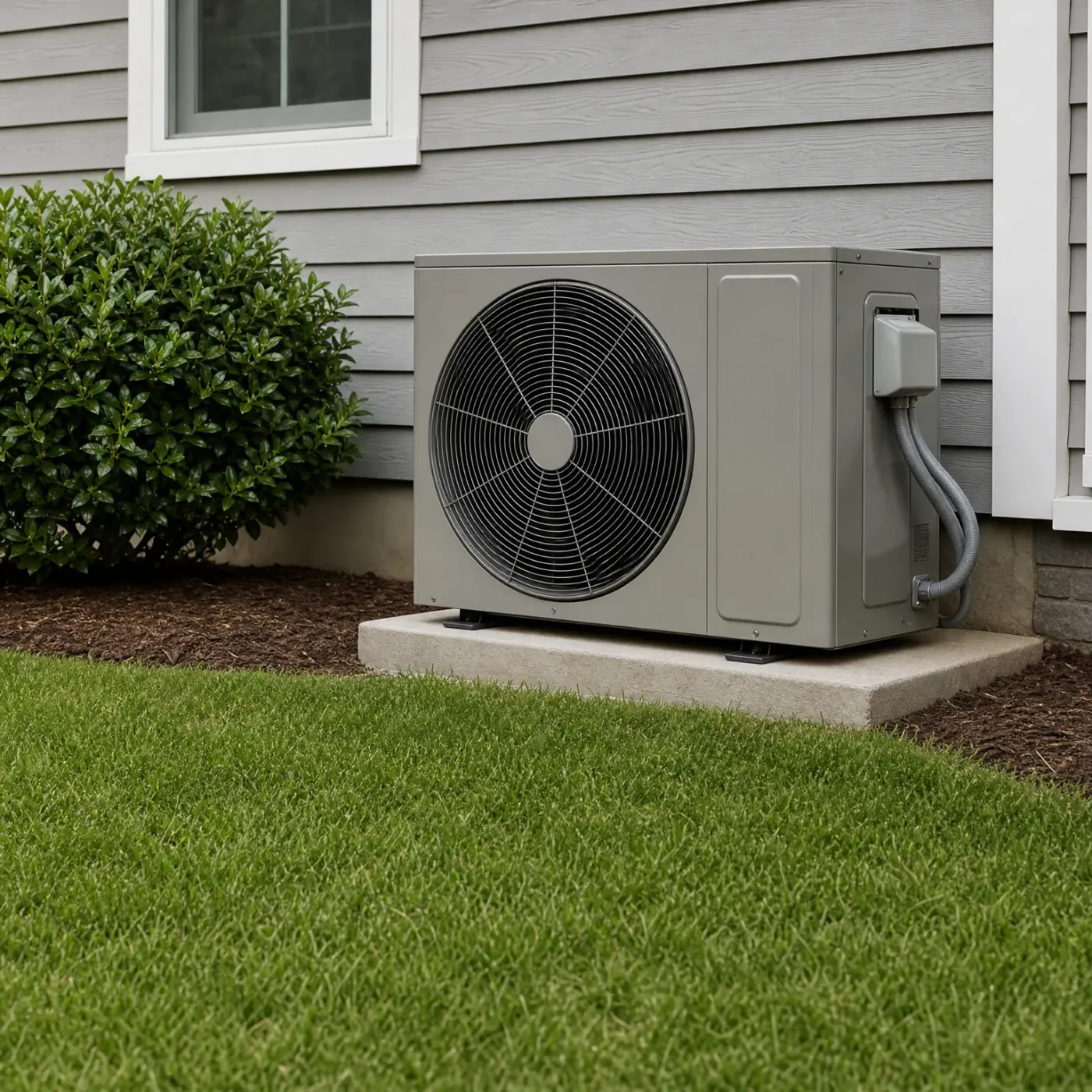
A gray outdoor heat pump unit with a large fan grille sits on a concrete pad beside a house with horizontal lap siding, next to a green shrub, mulch bed, and lawn.

Running fine down to the 20s

Above 20 degrees or so, a heat pump pulls enough heat from the outside air to keep your house warm without much strain. The outdoor unit sits there doing its job, coils clean, fins clear, running steady. This is the range it was built for.
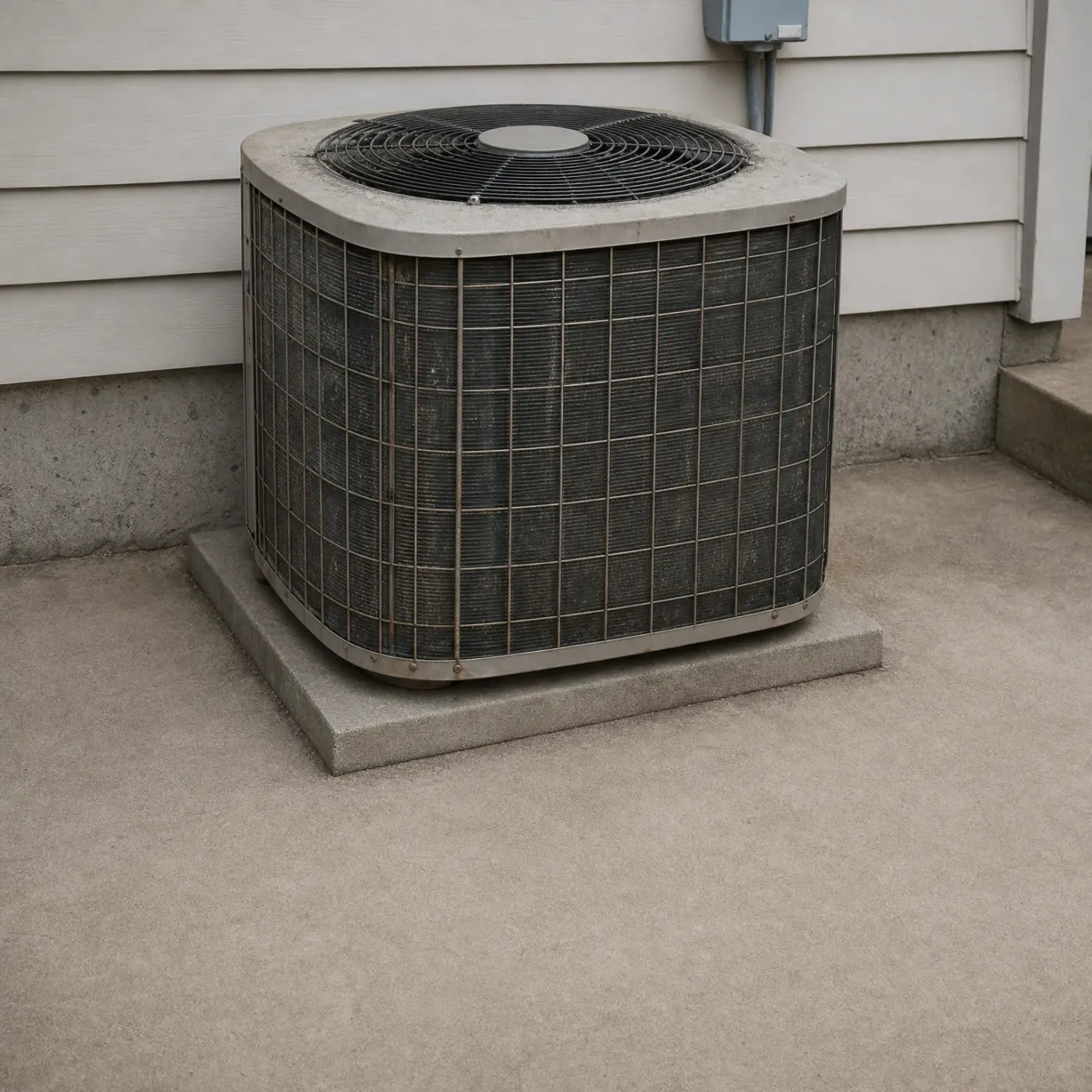

An outdoor air conditioning condenser unit with a top fan grille sits on a concrete pad beside a house with horizontal siding and a concrete step.

Struggling once it drops further

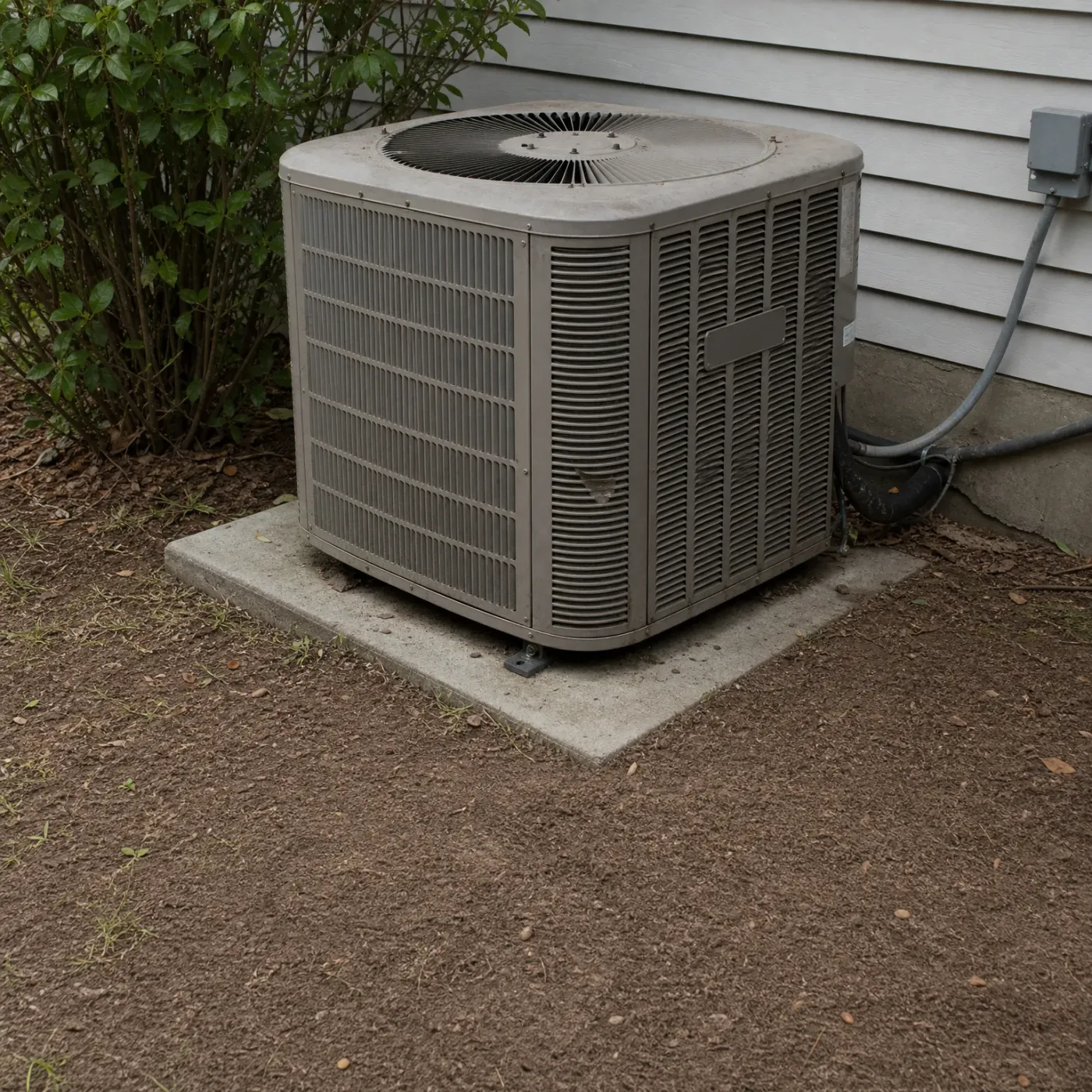
Below the teens, the unit has to work harder for the same heat, and a coil caked with dust or ice makes it worse. If yours looks like this, grimy fins, a clogged grille, it's losing capacity right when Wisconsin cold is asking the most of it.

A woman in a knitted shawl sits in a living room with a fireplace, shelves, a sofa with cushions, and a lamp by a bright window, looking off to the side.
A woman with long brown wavy hair in a green shirt over a white top stands in a living room with built-in white shelves, a ceiling fan, a potted plant and a sliding glass door.
A woman with shoulder-length gray-streaked hair in a light gray knit sweater stands smiling and looking off to the side in a living room with a sofa, houseplant, framed picture, and sunlit sliding glass door.
A woman with shoulder-length curly gray hair wearing a gray knit sweater stands near a window with a sheer curtain, looking to the side, with a blurred interior room behind her.

Once the outdoor air drops below freezing, the coil has less heat to pull in, so the compressor has to run longer stretches to keep the house at temperature. As frost collects on that coil, the system stops and runs a defrost cycle to clear it. For a few minutes during defrost, the unit actually pulls warm air from inside your house to melt that frost off, which is why you might feel a cold draft out of the vents right then. Somewhere in the teens down toward single digits, most heat pumps hand part of the job off to backup heat, either electric resistance coils or a gas furnace paired with the system. Below that, once it's single digits or under zero, the outdoor air just doesn't have enough heat left to pull from, and backup heat carries most of the load. Where exactly your unit makes that switch depends on its low-temperature rating. A contractor who knows the make and model installed in your house can check that against what's actually happening out there.

What happens as it gets colder

  • Below freezing, the outdoor coil starts pulling less heat from the air, so the compressor runs longer to make the same warmth.
  • Frost builds on the outdoor coil as the air gets colder, and the system has to pause and run a defrost cycle to melt it off.
  • During defrost, the heat pump briefly reverses and pulls warm air from inside the house to clear the coil, which can feel like a cold draft for a few minutes.
  • Most heat pumps switch to backup heat, usually electric resistance coils or a gas furnace, somewhere in the teens to single digits.
  • Once outdoor temperatures drop into single digits or below zero, the compressor can't pull enough heat from outside to keep up, so backup heat carries most of the load.
  • The switchover point depends on the specific unit's low-temperature rating, which a contractor can check against the make and model installed in your house.
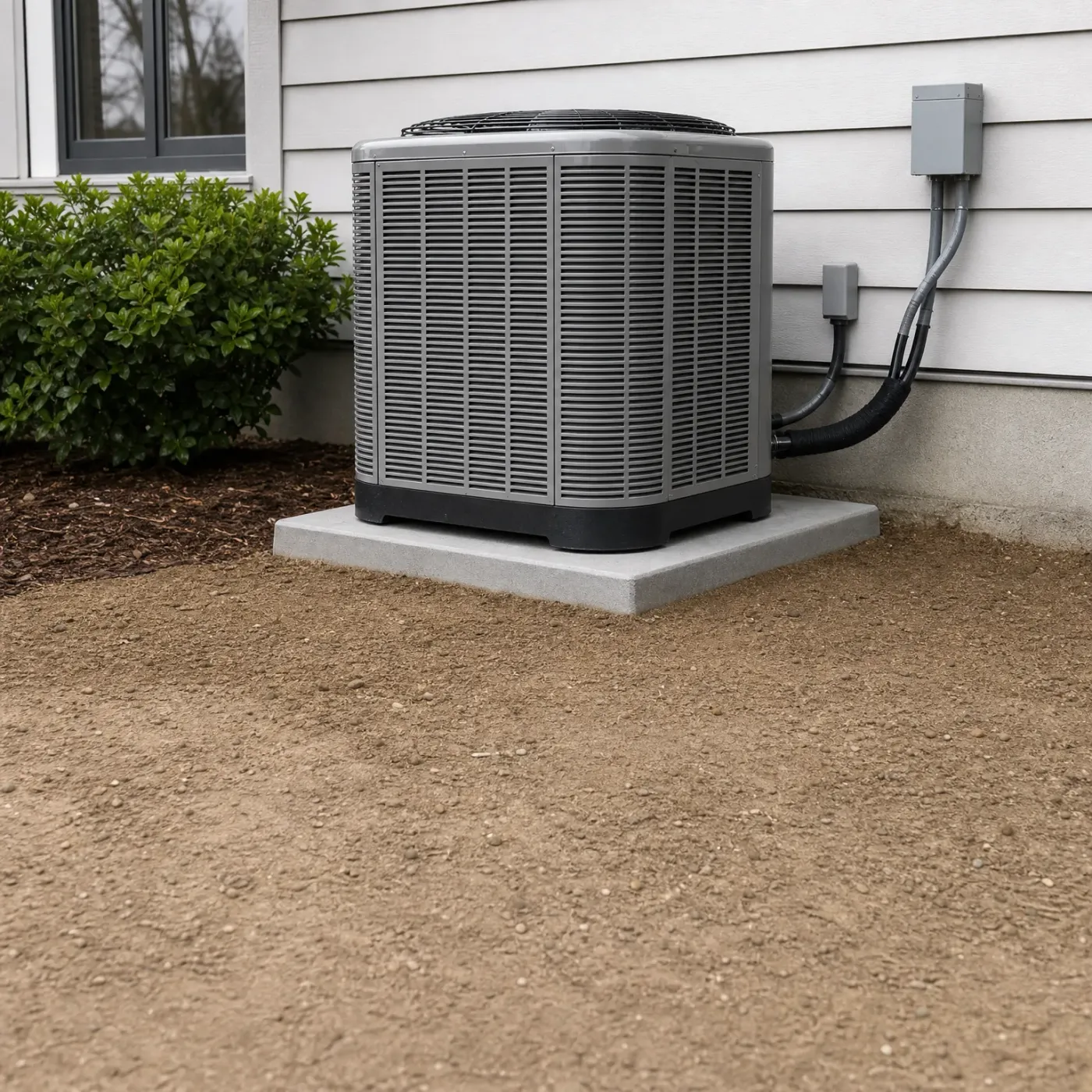
A gray outdoor condenser unit on a concrete pad beside a white horizontal-siding house, with refrigerant lines and conduit running to a wall-mounted disconnect box, bare soil in front and a green shrub at left.
Running clean, coils clear, nothing iced up, holding the house warm on its own.
An outdoor air conditioner condenser unit on a concrete pad beside a house with horizontal lap siding, with a shrub to the left, bare dirt in front, and conduit and a metal disconnect box on the wall.
Frost climbing the coil, the unit straining to keep up as the temperature keeps dropping.

Is your heat pump keeping up with this cold snap

Go out and look at the outdoor unit. If you see frost creeping up past the bottom edge, or ice building up faster than the defrost cycle can clear it, that's a sign it's losing the fight against the cold. Inside, you might notice the air coming from the vents feels cooler than usual, or the system runs long stretches without shutting off. Some homeowners hear the backup heat kick on more than it used to. If the unit keeps running flat out and the house still doesn't feel warm, the system is working harder for less heat, and a coil caked in ice can strain the compressor if it goes on too long.

A woman with her hair in a bun holds a sleeping young child against her chest, both wrapped in a textured beige knit blanket on a sofa in a dimly lit room with a lamp, framed picture, and bookshelf behind them.
A gray-haired woman in a cream knit sweater stands in a dimly lit kitchen at night, looking to her right, with a round loaf of bread in the foreground and a dark window and potted plant behind her.

Send one request and you're done looking

One installer gets your project, so there's no bidding war over it.

It costs nothing to send, and you don't have to hire anyone.

How your system handles the cold

  • Backup heat strips or a gas furnace kick in through a secondary heat source once the compressor can't keep pace on its own.
  • A balance point is the outdoor temperature where your heat pump's output and your house's heat loss are equal, often somewhere in the teens for most systems.
  • Below the balance point, the compressor runs nonstop, and a thermostat set to auxiliary heat brings in that backup source automatically.
  • Reversing valves switch the refrigerant flow so the unit pulls heat from outside air even when that air feels cold to you.
  • Two-stage and variable-speed compressors hold their balance point lower than single-stage units, so they lean on backup heat less often.
  • A dual-fuel setup pairs the heat pump with a gas furnace, switching over at a set outdoor temperature instead of running electric strips.

A heat pump moves heat, it doesn't make it, and the reversing valve is what lets it pull warmth out of outside air even when that air is cold enough to make you shiver. As the temperature drops, the compressor has to work harder to pull the same amount of heat, and at some point it can't keep up on its own. That point is called the balance point, and it's the outdoor temperature where your house is losing heat as fast as the heat pump can replace it. For most single-stage systems that lands somewhere in the teens, though the exact number depends on the unit and the house it's attached to. Once the outdoor temperature drops below that point, the compressor runs nonstop and a second heat source takes over the rest of the load. If your thermostat is set up right, it calls for auxiliary heat automatically, no need for you to flip a switch. In most Wisconsin homes that backup is a gas furnace, paired with the heat pump in what's called a dual-fuel setup, switching over at a set outdoor temperature instead of relying on electric strips that run up the power bill. Two-stage and variable-speed compressors push that balance point lower, since they can ramp up output instead of just running flat out, which means they lean on the backup furnace less often than an older single-stage unit would.

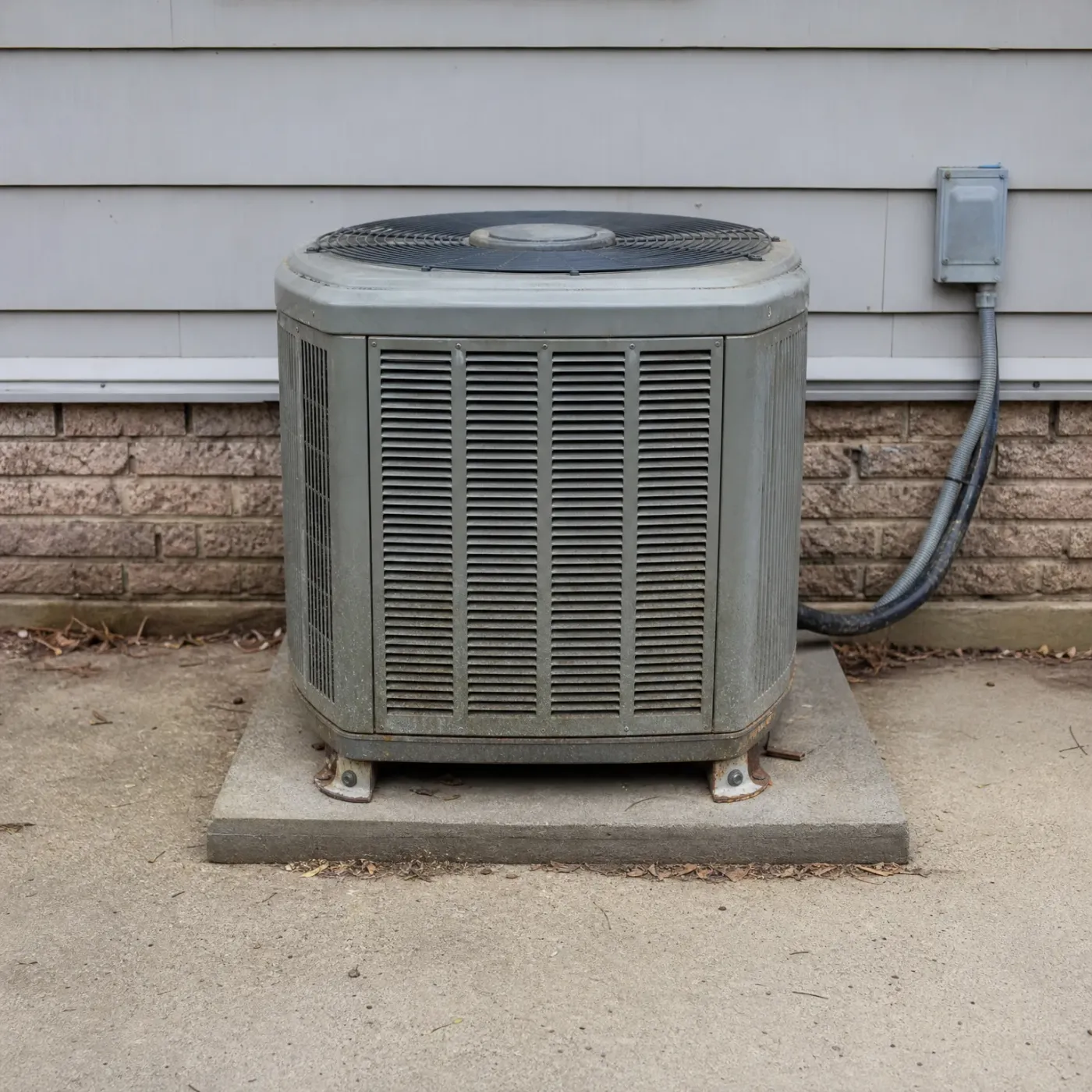
An outdoor air conditioning condenser unit on a concrete pad beside a house with horizontal siding above a brick foundation, with a flexible conduit running to a wall-mounted disconnect box.
Before you get your heat pump installation
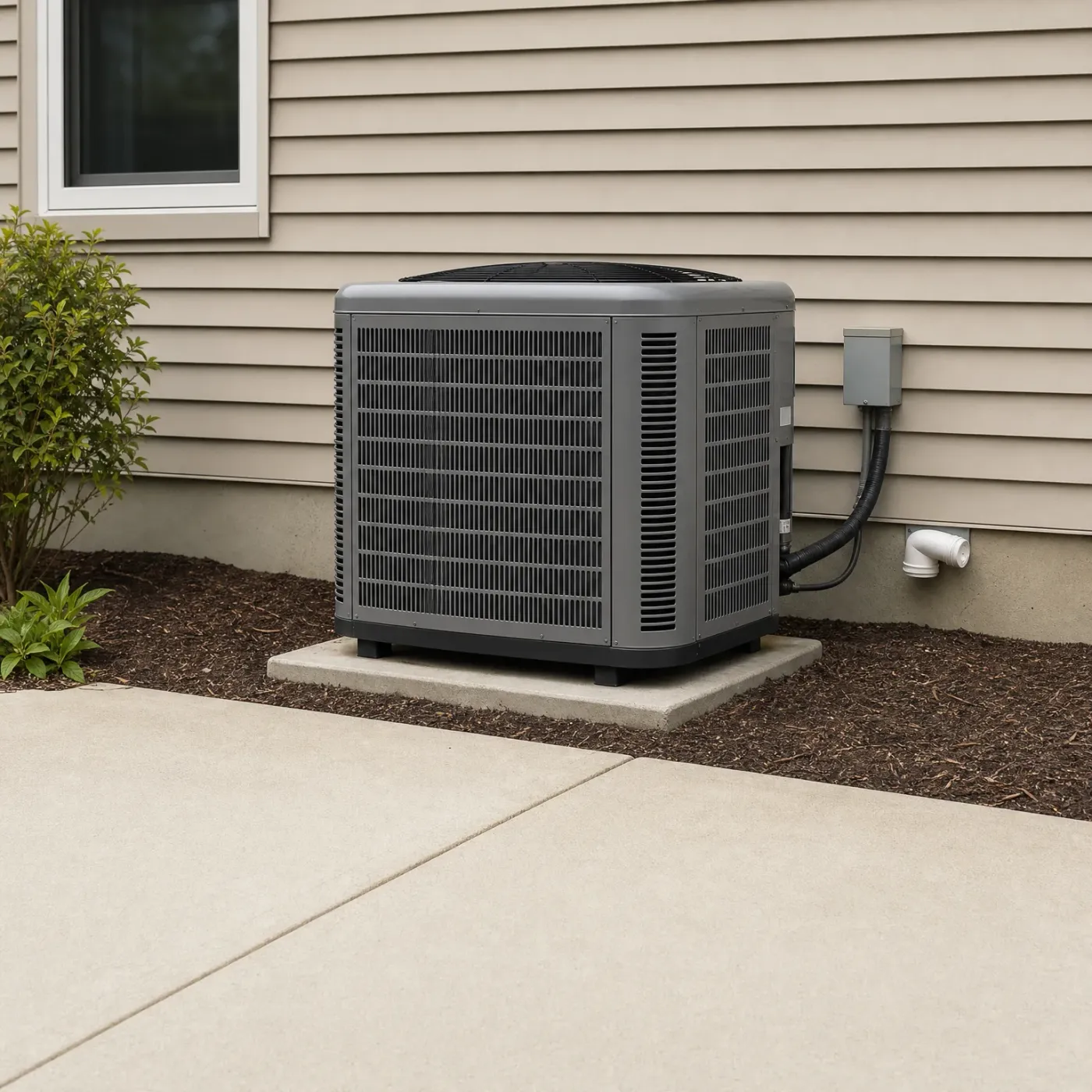
A gray outdoor condenser unit on a concrete pad beside a beige vinyl-sided house, with a wall-mounted disconnect box, flexible conduit, mulch bed, shrubs and a concrete walkway in front.
After you get your heat pump installation

Wisconsin's design cold snaps can push well under zero, and most heat pump systems paired with a furnace are set to hand off to that furnace somewhere in the teens or lower, before the compressor runs out of room to work.

That handoff point gets set during installation, matched to your house and your furnace, not picked at random, so the two systems split the work instead of one of them struggling alone.

Power costs 18.08 cents per kilowatt-hour statewide

At 18.08 cents a kilowatt-hour, every hour your heat pump leans on backup strips instead of the compressor shows up on the bill. A system sized and set to switch over at the right point keeps more of your heat coming from the compressor, where it's cheaper to make.

EIA-861 2025 statewide residential average

A heat pump in Wisconsin starts struggling somewhere below zero, and exactly where depends on the unit and how the switchover to backup heat is set. Get that balance point dialed in right and the compressor does most of the work while it can, and the furnace or strips pick up only what's left on the coldest nights. Get it wrong and you're either paying for backup heat you didn't need or asking the compressor to keep running past the point it can hold the house warm. A local contractor who services heat pumps all winter has seen which units in this climate hold up at low temperatures and which ones hand off too early or too late, and sizing and setting that handoff is routine work for someone who does it every season. When you put in a request, it goes to one licensed contractor near you, not a handful of companies competing for the job. That's one call to make, from someone who already knows what a Wisconsin winter does to this equipment.

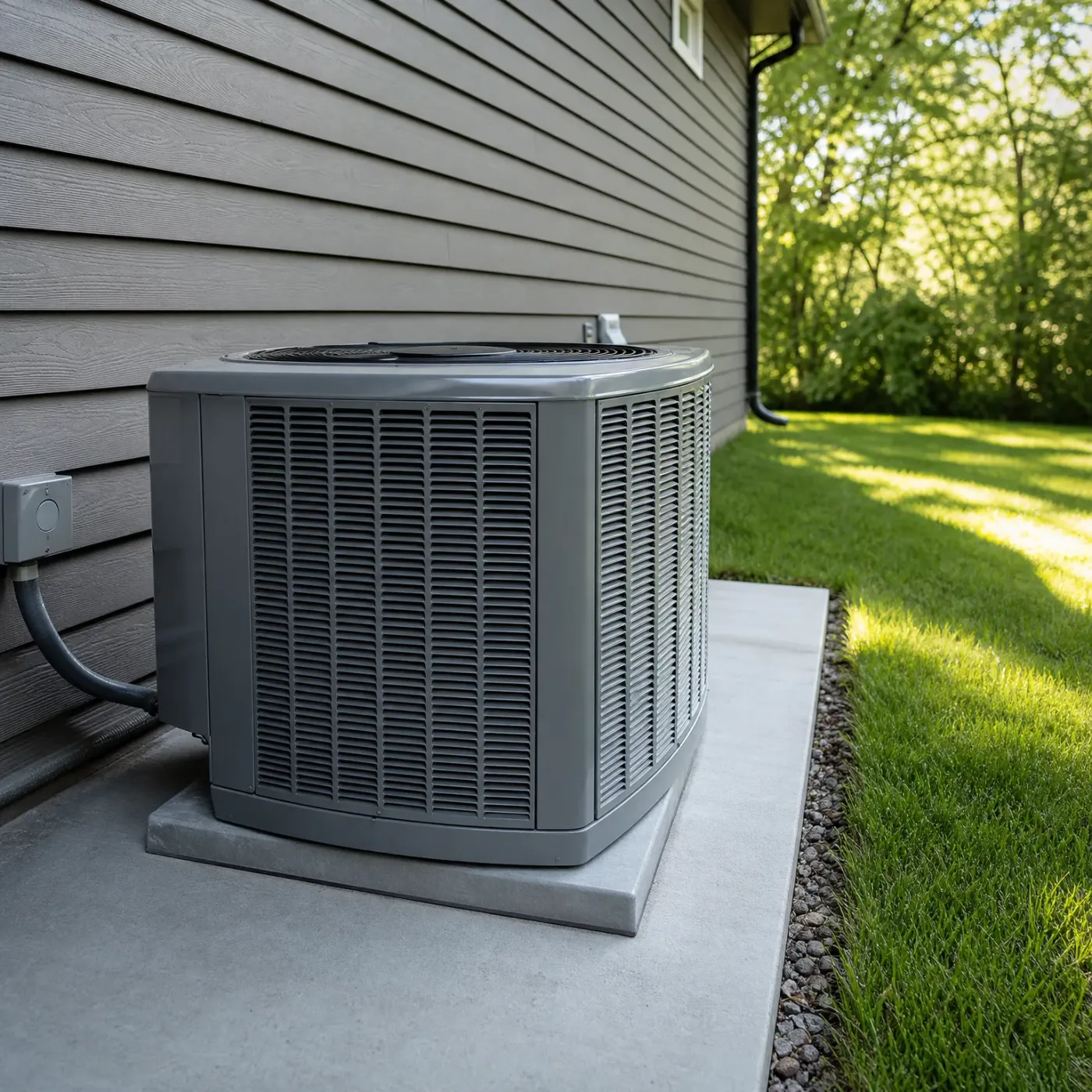
A gray outdoor air conditioner condenser unit on a concrete pad beside a house with horizontal lap siding, with an electrical disconnect box and conduit on the wall, a downspout, gravel edging and a green lawn with trees to the right.

Finding a pro stops being your job

Send my request

Only one pro gets your request, so you hear from one company.

No charge to send it. You decide if you hire them.