Is a cold-climate heat pump worth it in Wisconsin

Step 1 of 3: Equipment

A cold-climate heat pump is worth it in Wisconsin, but most homes here still need a second heat source for the coldest weeks. These units are built to keep pulling heat from outdoor air well below zero, down to around negative 10 or 15 degrees depending on the model, which covers most of a Wisconsin winter. Below that, output drops and a furnace or backup coil has to carry the load. Since most homes here heat with gas, the common setup pairs the heat pump with the existing gas furnace. The heat pump runs on mild and moderately cold days, the furnace kicks in on the worst ones, and you save on gas without ever losing heat. Summers here get sticky, and the same unit handles that humidity well. Whether it pays off depends on how your home is set up now and what you're replacing.

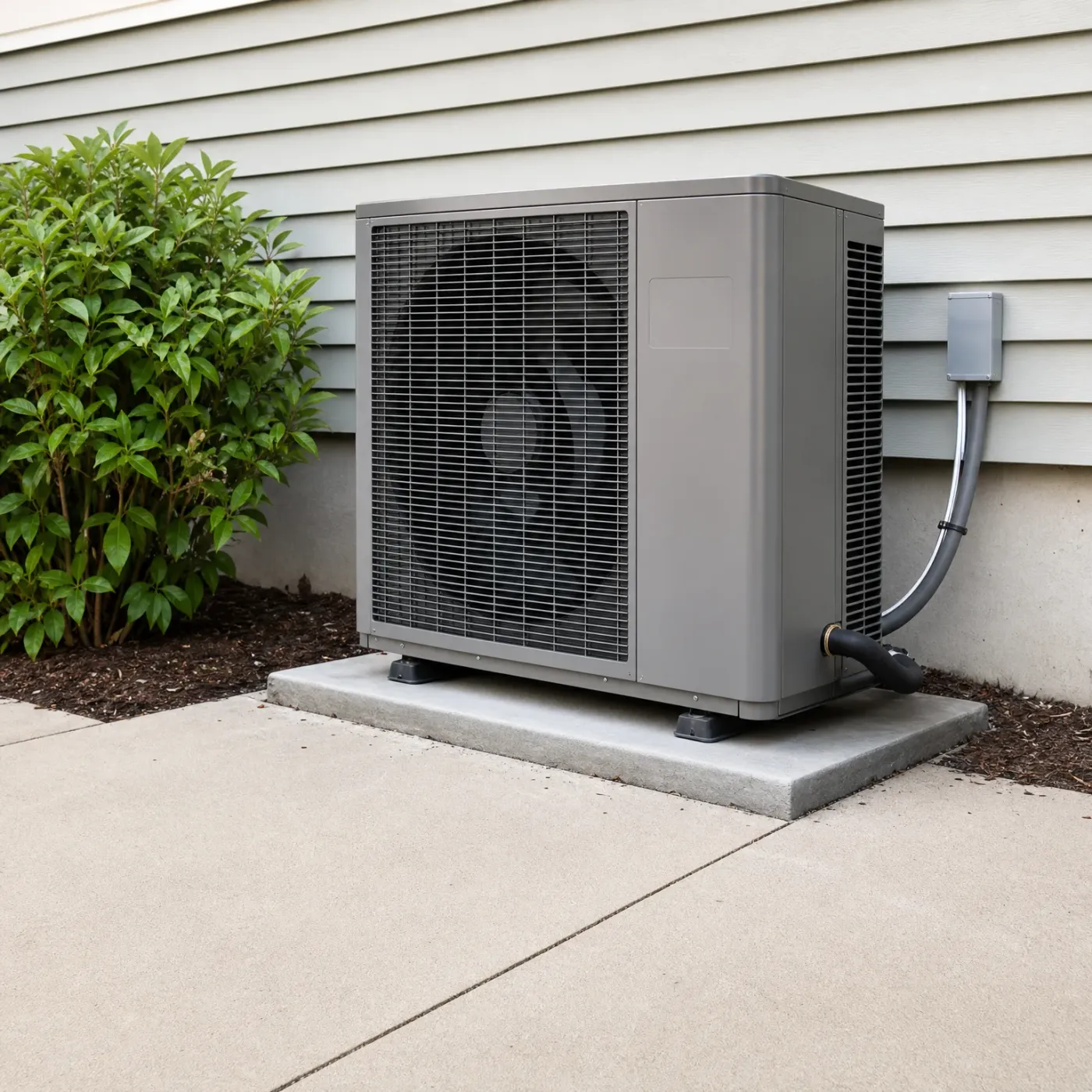
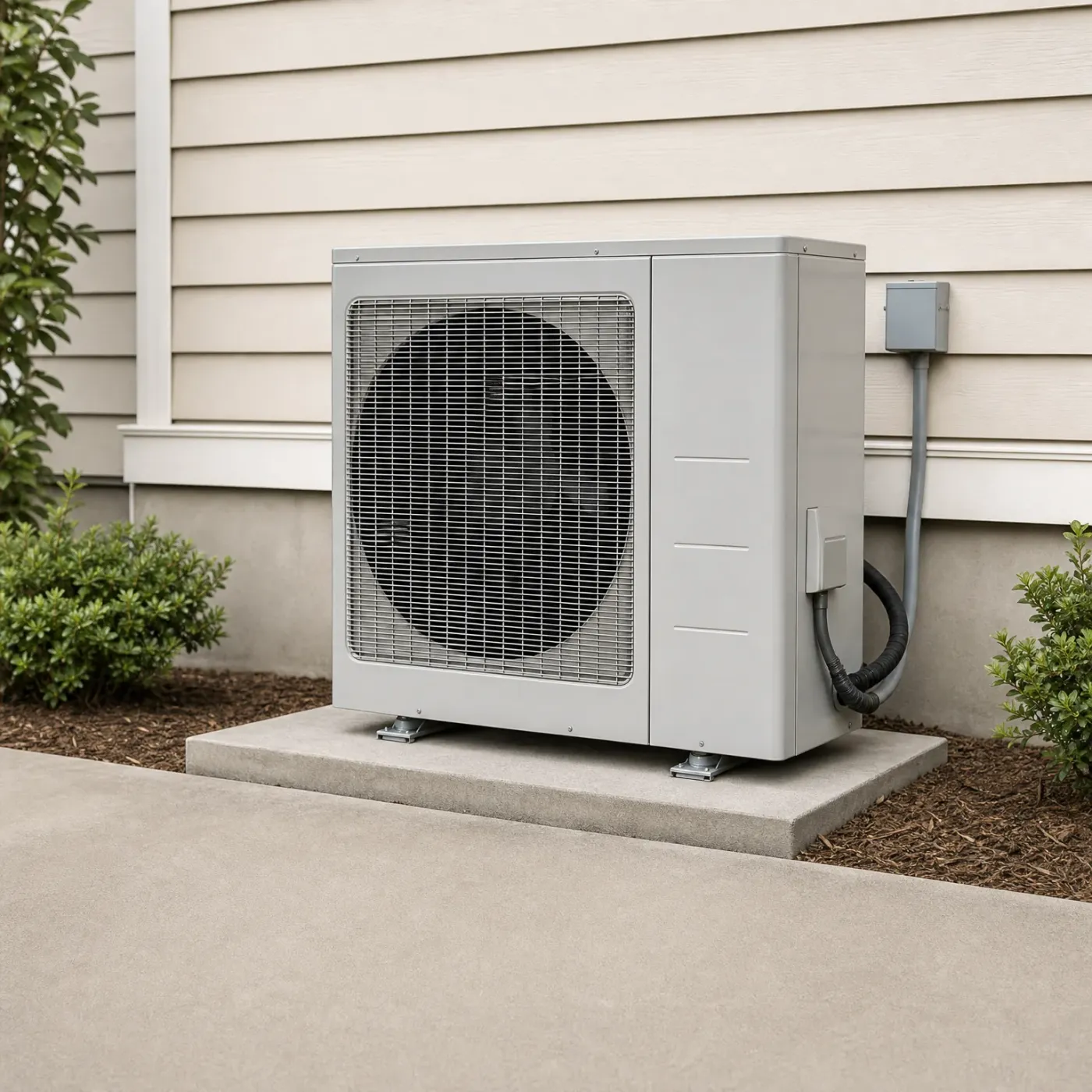
A gray outdoor heat pump unit on a concrete pad beside a house with horizontal lap siding, connected by conduit and a flexible line to a wall-mounted disconnect box, with low shrubs and mulch nearby.

Running the way it should

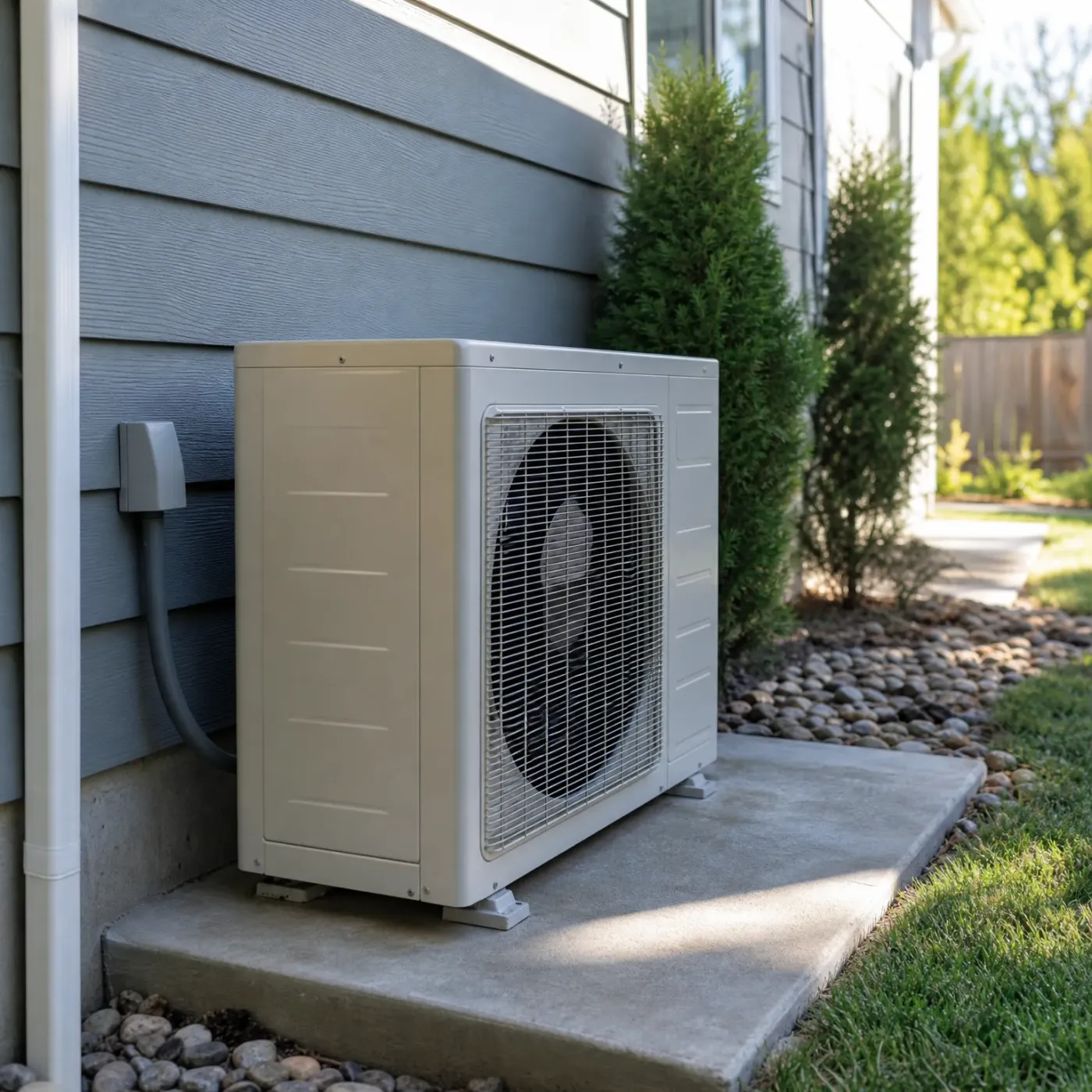
On a cold morning the outdoor unit keeps cycling, pulling heat out of air that feels like it has none to give. The fan turns, the lines stay clear, and the house holds its temperature without the backup kicking in. This is what a cold-climate unit sized right for your home looks like doing its job.
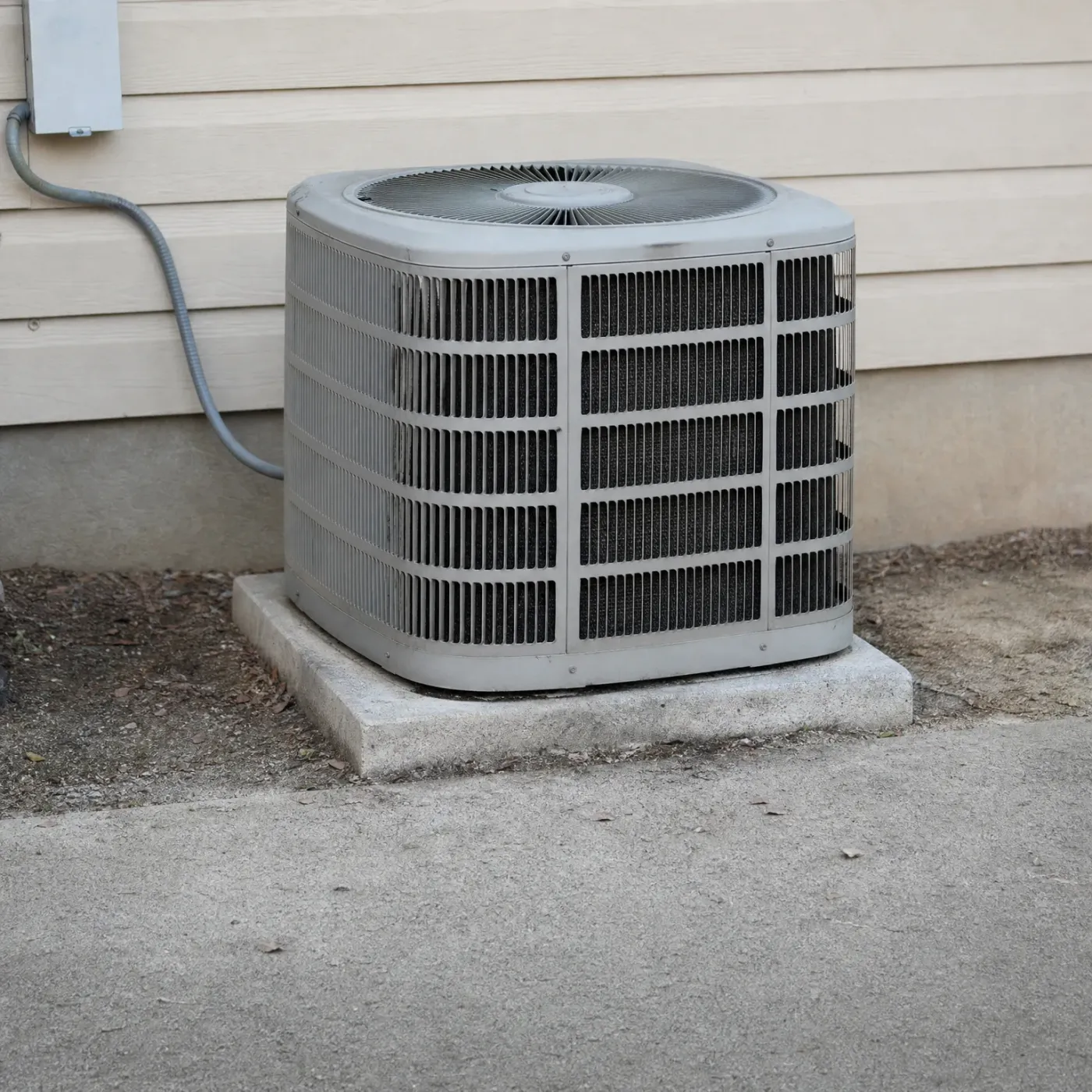

An outdoor air conditioner condenser unit on a concrete pad beside a house with beige horizontal siding, with conduit running from an electrical box on the wall.

Struggling to keep up

If the house won't hold heat and the unit runs almost constantly without catching up, something is off, maybe the charge, maybe the sizing for your home. A local contractor who installs these year-round can look at what you have and tell you whether it's working as it should.

Pair It With Gas, or Run It Alone

Keep the gas furnace paired with it

  • The furnace fires when the outdoor temperature drops below where the heat pump can keep up, so you never lose heat on the coldest nights.
  • Gas stays the cheaper fuel on the worst days of January, since power rates here run high and a furnace burns less costly fuel per degree of heat.
  • The heat pump still covers the mild stretches of fall and spring and most winter days, so the furnace runs far less than it used to.
  • A contractor sets the switchover point based on your ductwork and your furnace's output, so the two systems hand off instead of fighting each other.
  • You keep the furnace you already have rather than replacing a working system, which lowers the cost of adding the heat pump.

Run the heat pump alone, no furnace backup

  • Every bit of winter heat comes from electricity, and with Wisconsin power rates, the coldest weeks cost more to heat through than a gas backup would.
  • Below the unit's rated cutoff, usually somewhere around negative 10 to negative 15 depending on the model, it can't pull enough heat to keep up on its own.
  • Electric resistance strips can back up the heat pump instead of gas, but strip heat costs more to run than either gas or the heat pump's compressor.
  • Without a furnace to split the load, the heat pump and any backup heat strips have to be sized for the coldest day Wisconsin sends, not the average one.
  • Summers get the same muggy-day cooling either way, since the heat pump runs as the air conditioner regardless of what backs it up in winter.
An older woman with gray hair in a gray knit sweater sits on a sofa under a knitted blanket beside a large window, looking out toward yellow autumn foliage, with a living room, fireplace and patterned rug behind her.
An older woman with gray hair in a cowl-neck sweater sits on a sofa under a blanket, looking out a large window toward trees with yellow autumn foliage.
A gray-haired woman in a light knit sweater sits in an armchair by a window, looking out at trees with yellow autumn leaves, with a dark ceramic mug on the sill and a plant in the foreground.
A gray-haired woman in a cream knit sweater sits in a chair by a large window, looking out at rolling hills covered in autumn-colored trees.

A pro who works on heat pumps

One installer gets your project, so there's no bidding war over it.

There's no charge for the request.

What the compressor is built to do

A cold-climate model uses a variable-speed compressor that can ramp up output as the air outside gets colder, instead of just switching on and off at one speed. That's how it keeps pulling heat from the air down to around negative 10 or 15 degrees. A standard heat pump compressor runs at a fixed speed and loses most of its capacity well before then, which is why older units get described as useless once a Wisconsin winter sets in.

Where the electric bill lands

Power rates here run higher than the national average, so every hour the heat pump runs costs more per hour than it would somewhere with cheaper electricity. A heat pump still moves heat rather than generating it, so it uses less electricity per degree of warmth than a baseboard or electric furnace would. Paired with gas backup for the coldest stretch, the heat pump covers the months where it's cheap to run and the furnace only has to carry the load when the heat pump can't.

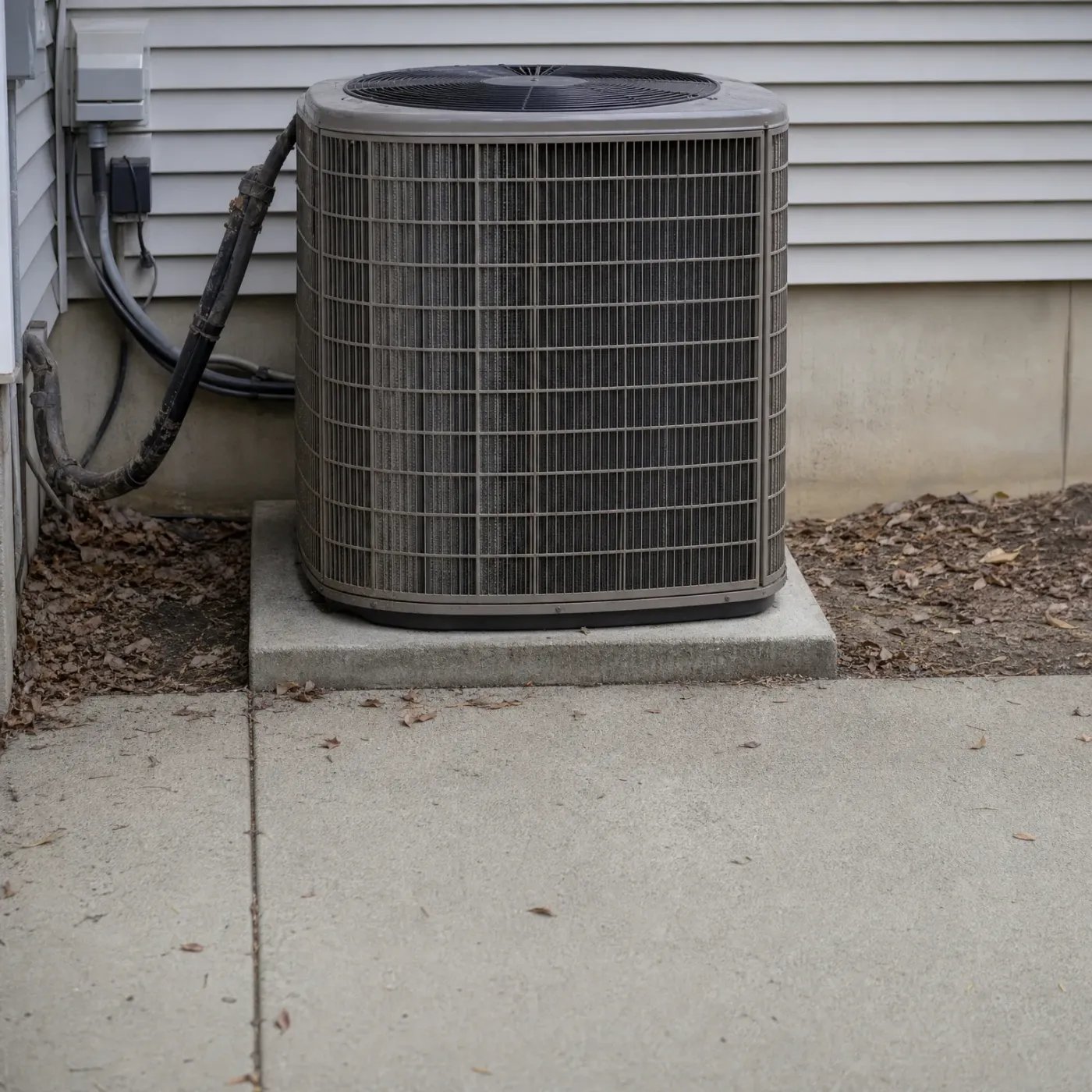
An outdoor air conditioner condenser unit on a concrete pad beside a house with horizontal vinyl siding, with refrigerant lines and an electrical disconnect box on the wall and dry leaves on the ground.
Before you get your heat pump installation
A gray outdoor heat pump unit on a concrete pad beside a house with horizontal lap siding, with a conduit running to a wall-mounted disconnect box and a green shrub to the left.
After you get your heat pump installation
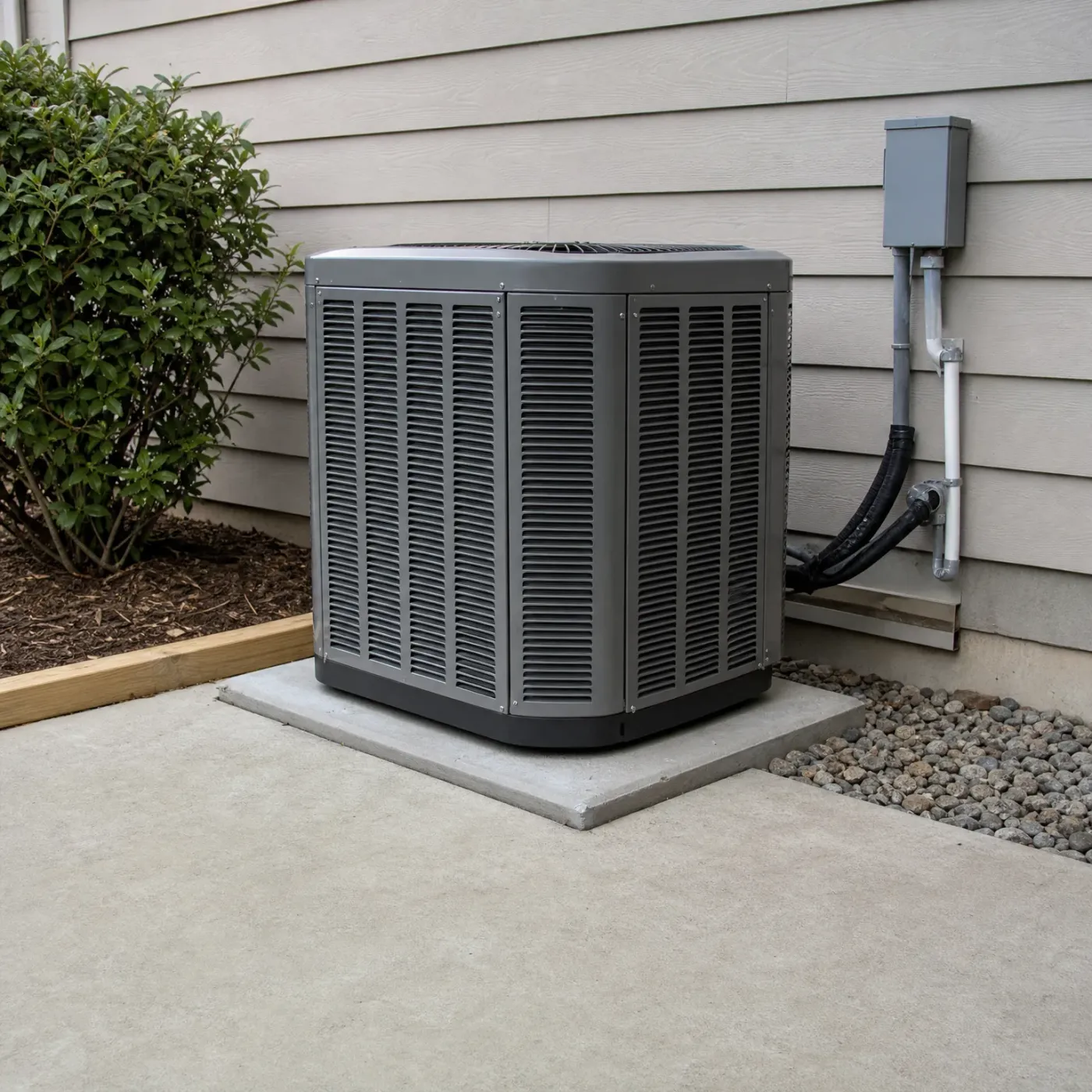
A gray outdoor condenser unit on a concrete pad beside a house with horizontal lap siding, with a wall-mounted disconnect box, conduit and insulated refrigerant lines, a shrub at left and gravel at right.

Working the way it should

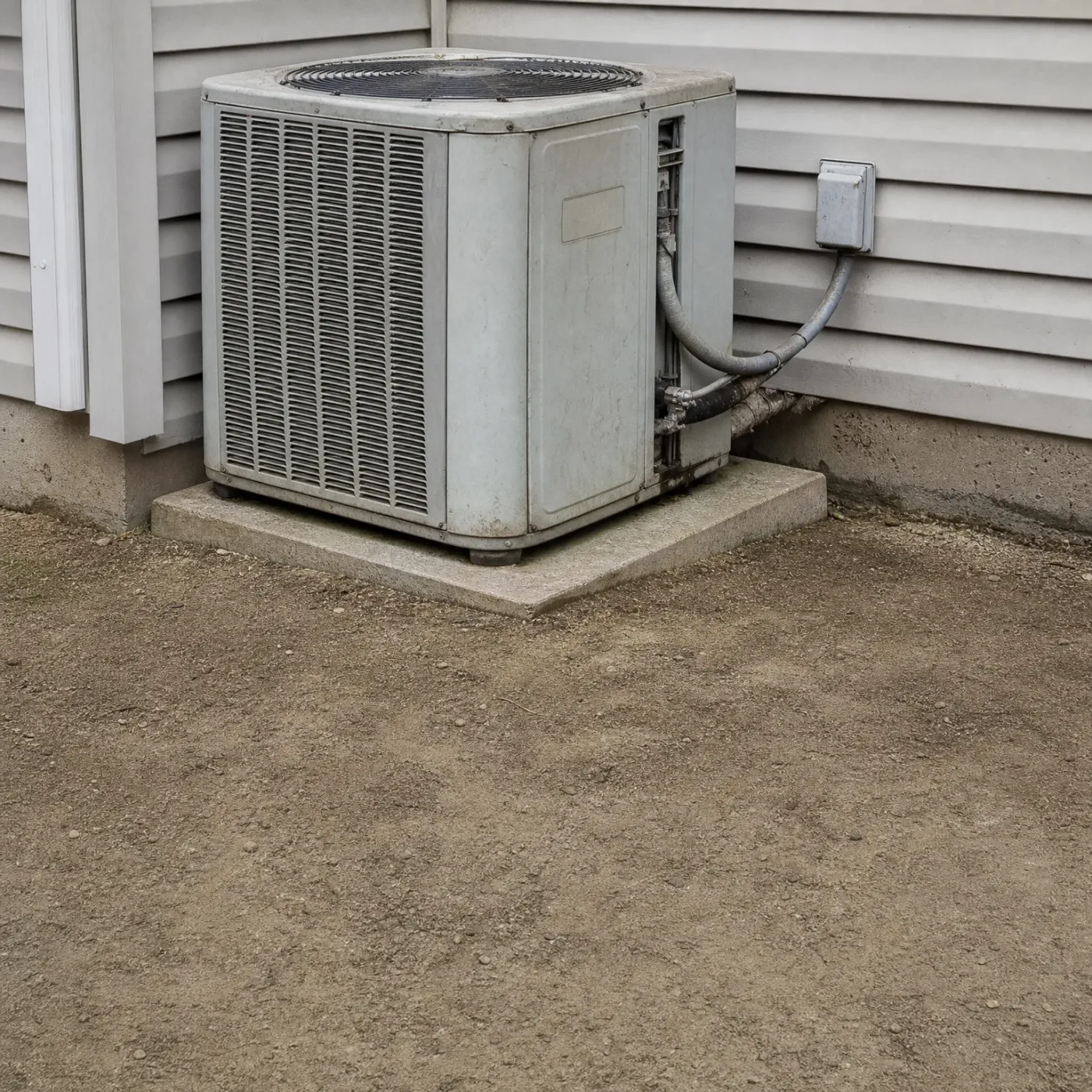
The unit cycles on, the fan turns, and the lines stay clear of ice even on a cold day. It sits clean on the pad, the conduit and disconnect box intact, pulling heat out of outdoor air without strain. A heat pump this age holds its charge and keeps up with Wisconsin's swings in temperature.

An outdoor condenser unit on a concrete pad beside a horizontal-sided house, with insulated refrigerant lines running to a wall-mounted box, surrounded by bare dirt.

Showing its age

Weathering on the cabinet, a disconnect box that's seen some years, and a unit that cycles longer than it used to are signs the compressor is working harder for less heat. In a Wisconsin winter, that shows up as the backup furnace running more than it should. Worth having checked before the cold sets in.

A woman in a cream knit sweater sits in an armchair with her eyes closed and head tilted back, beside a window showing orange autumn foliage and a wooden side table with a mug.
A gray-haired man in a blue quarter-zip sweater sits in an armchair with his eyes closed, beside a large window with bare trees outside and a potted plant and lamp nearby.

Power costs 18.08 cents per kilowatt-hour statewide

At that rate, every kilowatt-hour your heat pump pulls on the coldest days costs more than it would almost anywhere else. That's why pairing it with your gas furnace for the hardest stretches of winter keeps your bill from swinging the way it would on electric heat alone.

EIA-861 2025 statewide residential average

A woman stands in the open doorway of a white stucco house holding the dark door, facing a man in a black cap and shirt seen from behind in the blurred foreground, with a potted flowering plant beside the entry.

So the answer stands

A cold-climate heat pump earns its place in your house, running most of the year and leaving the furnace for the stretch it can't cover. You know the months by now, and you know why the pairing works better than asking either machine to do the whole job alone.

Getting the sizing and the controls right for your house is its own task, and it's worth having someone local look at your setup before you commit to a unit. A contractor who installs these year after year in Wisconsin winters knows which models actually hold their output at the temperatures you get here, and can tell you what your ductwork and your existing furnace can support. Get matched with one, and they'll reach out to walk through your house directly, no list of companies calling you about it.

A wooden table holding a stone vase with a bare branch, two stacked books and a small dark bowl, beside a window with green foliage outside and a sofa in the dim background.
A beige outdoor heat pump or air conditioner condenser unit on a concrete pad beside a gray horizontal-siding house, with a disconnect box and conduit on the wall, shrubs, river rock and lawn nearby.

Get your heat pump to the right pro

Request a pro

Your request stays with one local pro.

You only hire the pro if you want to.