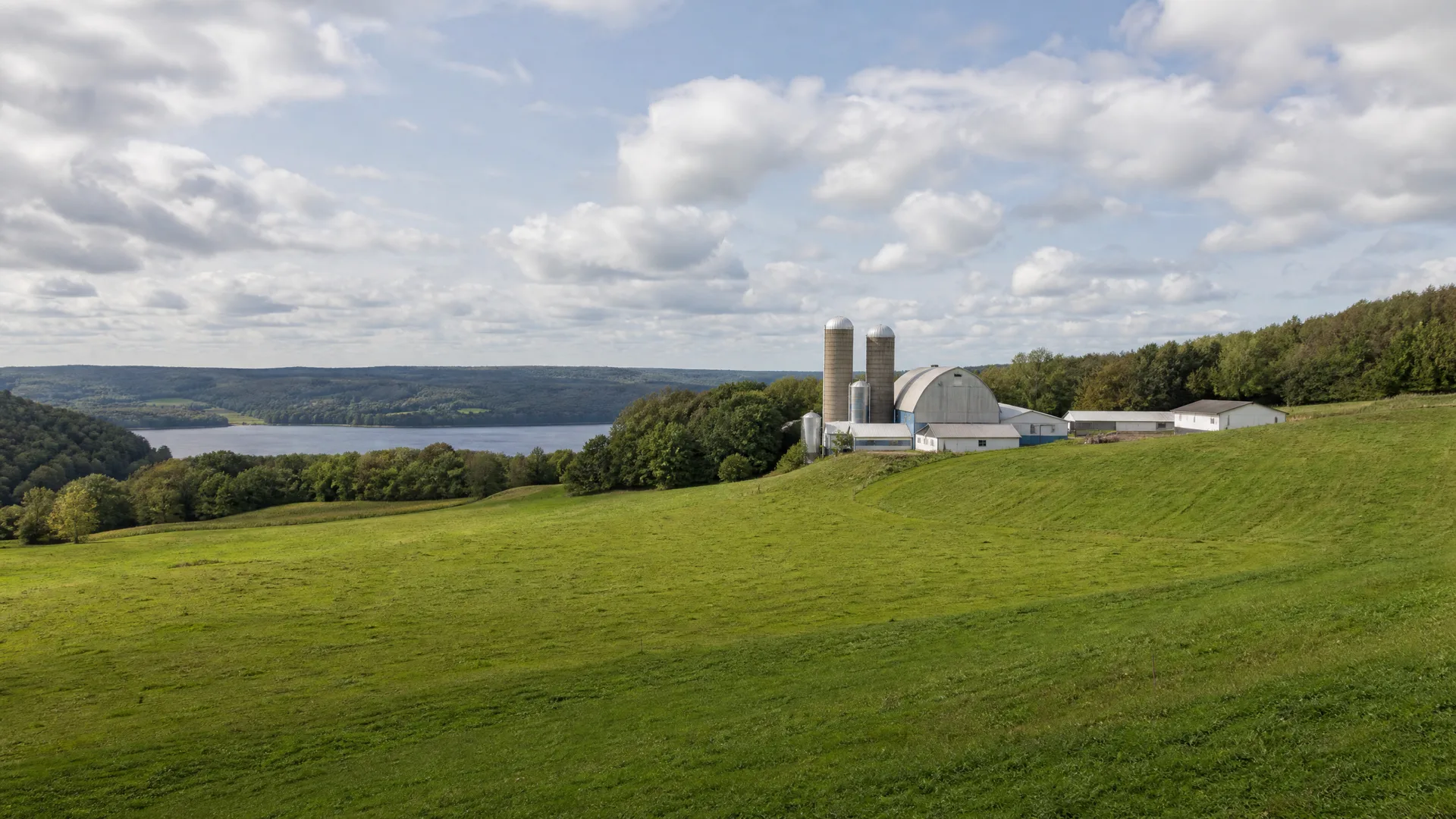


Heat pump, backup heat running
Once the backup resistance heat kicks in on a cold day, you're paying electric rates for most of your heat. In Wisconsin, that stretch can run from December through February.
A local installer who puts in heat pumps gets your project.
Find my proUsually not, once a Wisconsin winter settles in. A heat pump moves heat from outside air, and as the temperature drops, there's less heat out there to move. Below freezing, most heat pumps lean hard on backup electric resistance heat to keep up, and that backup heat is expensive to run. Gas here is cheaper per unit of heat than electricity, so once your heat pump switches over to backup, your bill climbs. Some newer heat pumps, the cold-climate models, hold their efficiency much further down and can beat gas even on a cold day. Older or standard units usually can't. If you have a heat pump paired with a gas furnace as backup instead of electric strips, that changes the math again, since the furnace carries the coldest days and the heat pump handles the rest. What you have installed, and how it's set up to switch between the two, decides which way your bill goes.





Watch your bill in January and you'll see it. On a mild day, your heat pump covers the house on its own and the cost stays reasonable. Once the temperature drops into the teens or lower, the backup heat kicks in more and stays on longer, and that's resistance heat, the most expensive way to warm a house. A furnace burning gas doesn't have that problem. It puts out the same heat whether it's twenty degrees outside or twenty below.
If you're not sure how your system is set up to handle that, a contractor who works on heat pumps in Wisconsin can look at what you have and tell you whether the backup heat is running more than it should. Getting matched with someone who knows cold-climate systems saves you the work of calling around and explaining your setup more than once.

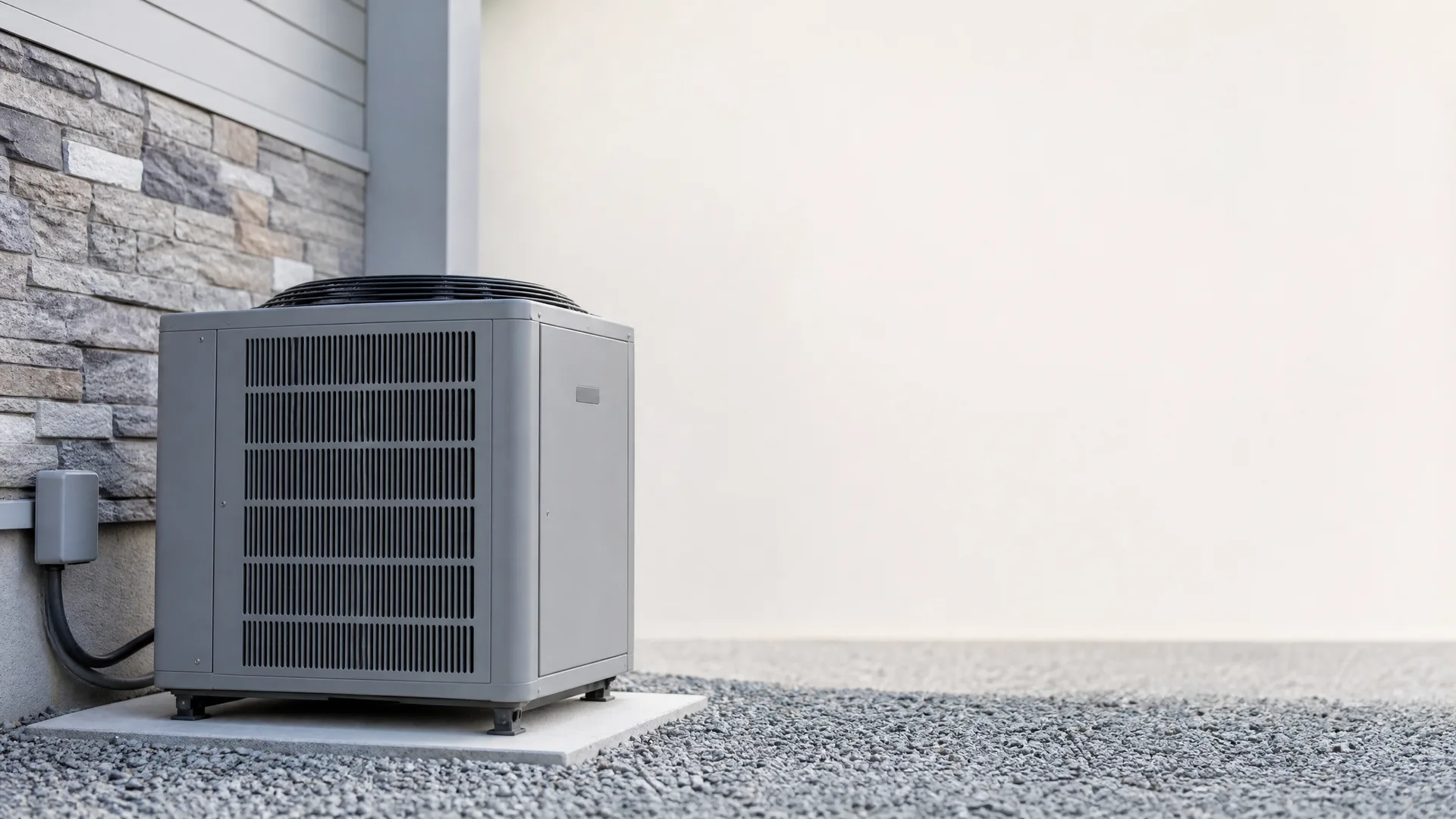
Every heat pump carries a rating called SEER2 for cooling and HSPF2 for heating. Neither one tells you what size unit you need. They tell you how much heat or cooling it moves for the electricity it uses. A higher number means more output per dollar of power, which matters in Wisconsin since electric rates here run high. The installer sizes the unit to your house separately from that rating.
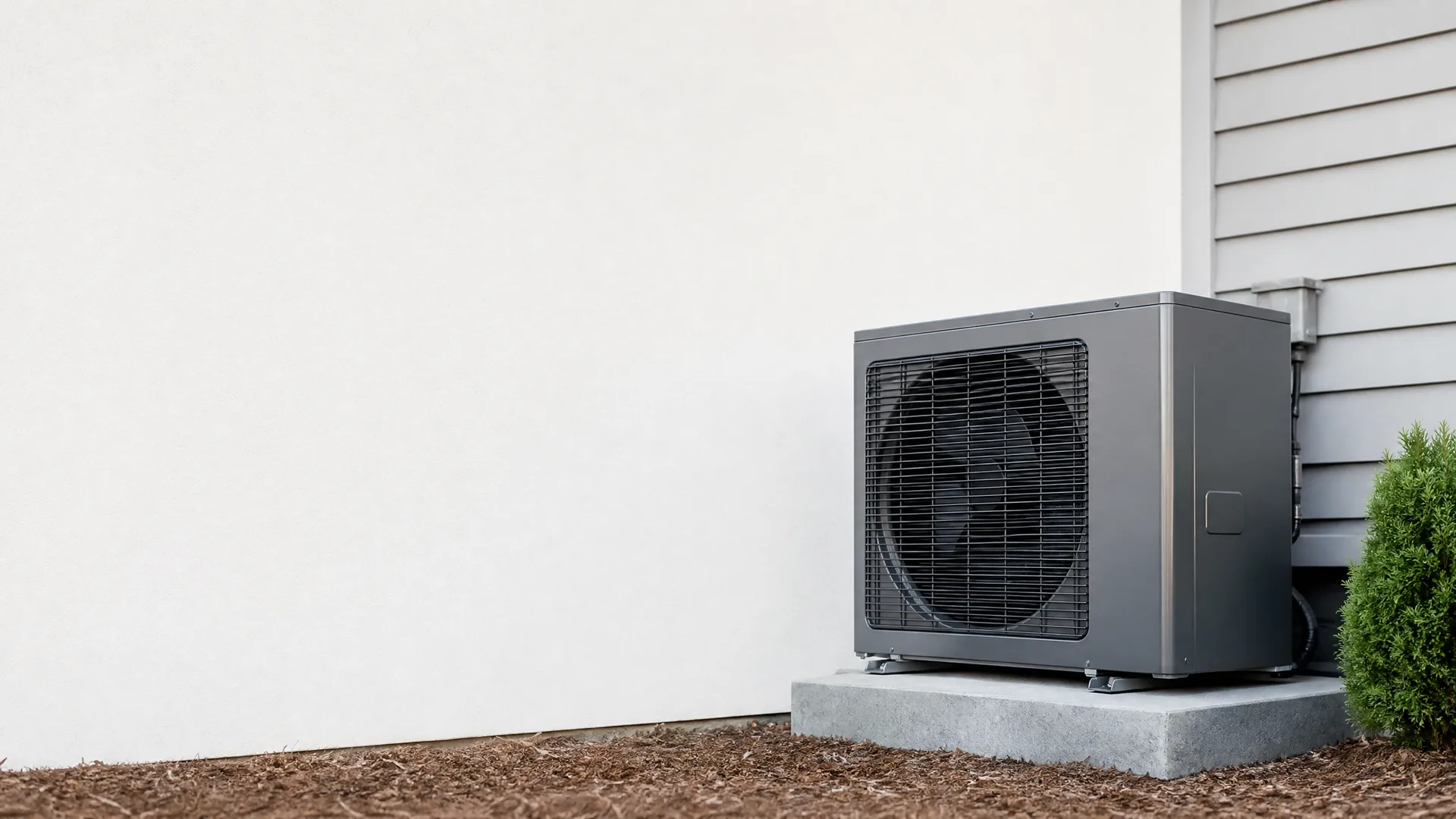
Gas burns fuel to make heat directly, so it doesn't lose ground as the air outside gets colder the way a heat pump does. A furnace puts out close to the same heat on a 5 degree night as it does on a 35 degree one. That's why most homes in Wisconsin still heat with gas. A heat pump can't match that once the backup electric heat has to take over.
You notice the thermostat reading climb while the air coming out feels warmer than usual, almost like a furnace, and the bill tends to jump around the same time. You're not sure if that's normal or if something's wrong with the unit.
A heat pump has a thermostat setting called the balance point, built into its controls. Below that outdoor temperature, usually somewhere in the 30s, the compressor alone can't pull enough heat from the outside air fast enough to match what the house is losing. The system doesn't wait for you to notice. It switches on the backup heat strip automatically to make up the difference, and keeps the compressor running alongside it. That's why the air coming out of your vents can feel hotter on a cold day than it does on a mild one. It's not a malfunction. It's the system doing what it was built to do once the outdoor air has less heat in it to give up.
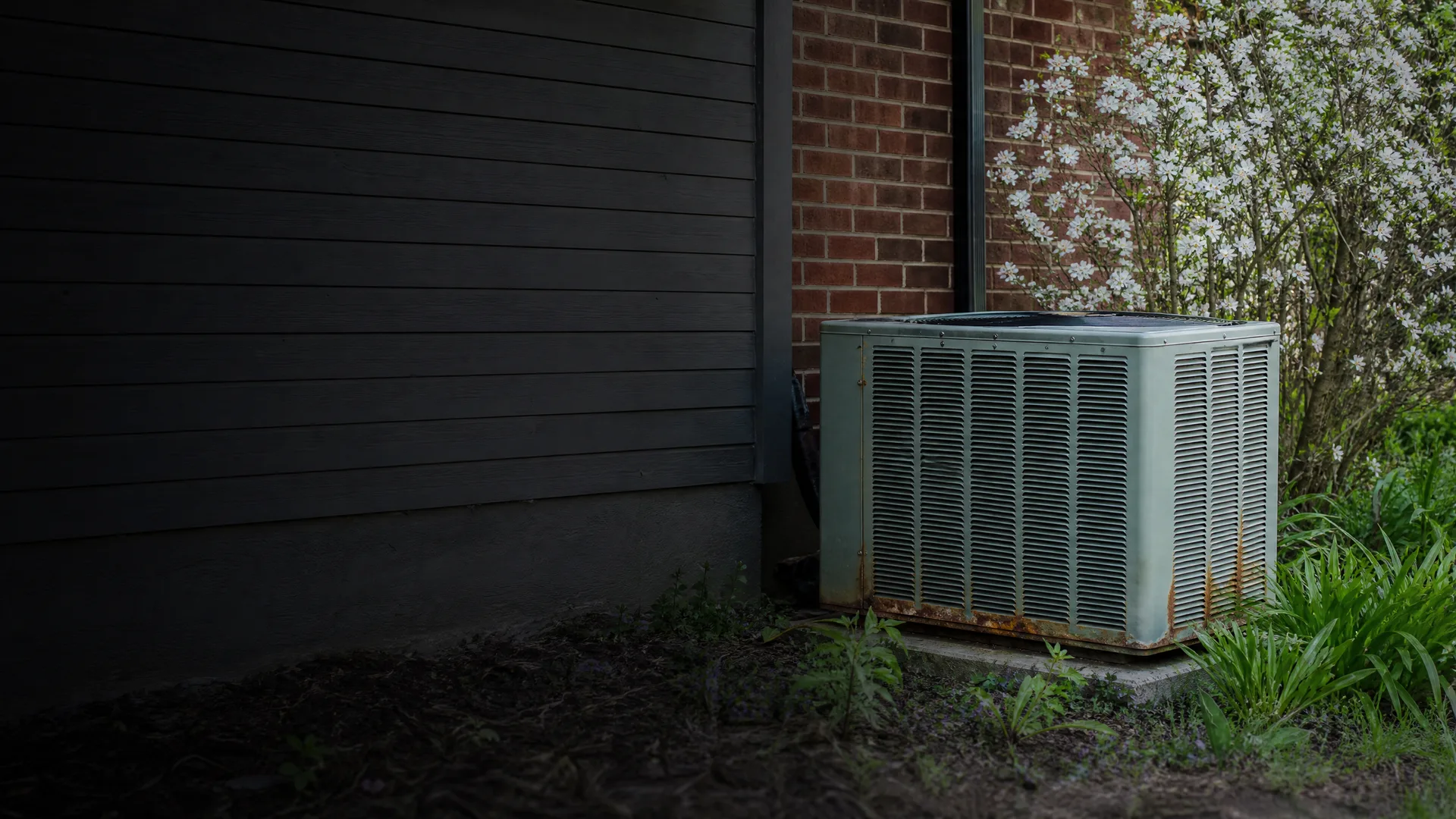
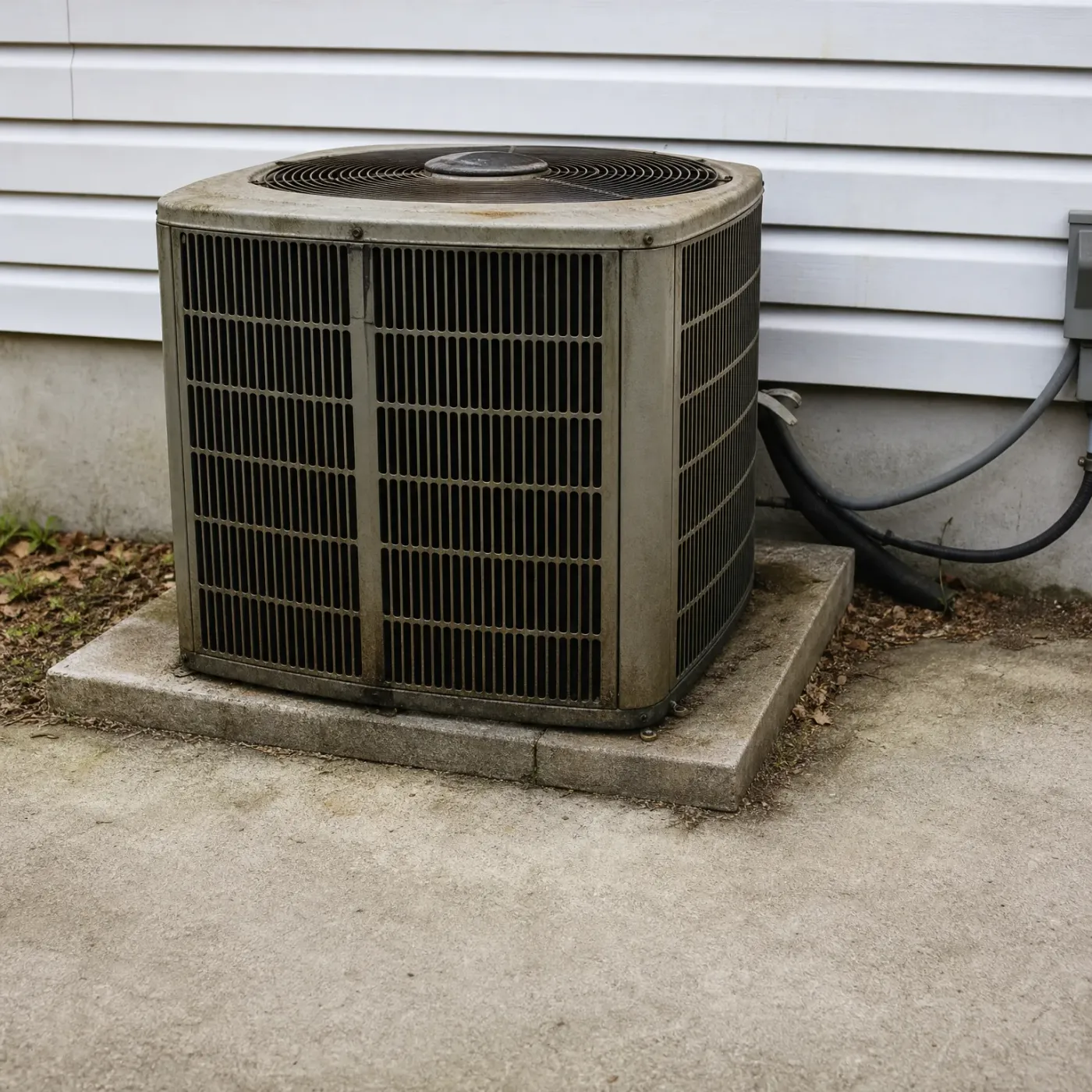
You're out back in March, coffee in hand, checking on the heat pump before you head to work. The snow is mostly gone off the side yard but the ground's still soft. You crouch down and see it then, rust creeping along the base of the unit, worse than last fall. It's been through a lot of winters out there, cycling into backup heat on the cold nights, working harder than it would in a milder state. You run a finger along the rust and wonder how many more winters it has in it, and whether the next one leaves you without heat on the coldest night of the year.
Skip collecting and comparing quotes for the new heat pump.
No charge to send it. You decide if you hire them.
A gas furnace burns fuel to make heat, so a ten below morning doesn't change how it works. It fires, it heats the air to the same output, and the cost per therm stays what it's been all winter. Gas prices in Wisconsin don't swing the way electric rates can during a stretch of high demand. For a home already set up with a gas line, that steadiness is the whole appeal. The furnace doesn't care if it's twenty degrees or thirty below outside. It's built to run through a Wisconsin winter without leaning on a second heat source, and that's reflected in a bill that moves less from month to month than a heat pump's does once backup heat starts kicking in.
None of that means the furnace comes out ahead every month. In October, November, March and April, when it's cold but not brutal, a heat pump moves heat far more efficiently than a furnace burns gas, and that's a good chunk of a Wisconsin heating season. Summer is where the comparison really tilts, since the same unit runs your air conditioning and Wisconsin summers get sticky enough that cooling isn't optional. A furnace only heats. A heat pump heats for part of the year and cools for all of it, and if you're pricing out a new system rather than comparing what you already have, that second job is worth weighing against gas's steadier winter bill.
Once the backup resistance heat kicks in on a cold day, you're paying electric rates for most of your heat. In Wisconsin, that stretch can run from December through February.
A gas furnace doesn't change how it runs when it's ten below outside. It fires, heats the house, and the cost per therm holds steady through the worst of winter.
That rate applies to every kilowatt-hour your backup heat strip burns once the temperature drops. A gas furnace next door isn't touched by it at all. It's why the same cold snap costs your heat pump owning neighbor on gas less than it costs you.
EIA-861 2025 statewide residential average
Thermostat calls for heat and signals the outdoor unit to start
Compressor pulls heat energy from the outside air
Refrigerant carries that heat inside to the indoor coil
Indoor coil transfers the heat into air pushed through your ducts
Summers in Wisconsin don't feel brutal by the thermometer, but the air carries a dew point that averages 60°F across June, July and August, per NOAA. That's sticky enough that your heat pump has to pull real moisture out of the air, not just cool it. On those days it runs longer to get the humidity down, and you'll notice the house feels damp even with the thermostat holding steady. That extra runtime shows up on your summer bill alongside whatever the winter backup heat already cost you.
NASA POWER T2MDEW county cells weighted by homes


So, is a heat pump cheaper to run than gas heat in Wisconsin? Most winters, no, not once the temperature drops below freezing and your backup electric strips take over. That's the plain answer. A gas furnace burns fuel at a steady cost no matter how cold the night gets, while a heat pump leans on electric resistance heat exactly when electric rates sting the most. The gap narrows if you're running dual fuel, where a gas furnace takes the coldest stretch and the heat pump handles the rest, and it narrows again if your alternative was baseboard electric instead of gas. What actually happens in your house comes down to your electric rate, your gas rate, and how your system switches between the two, which is a setup question, not a guess.
That's the kind of question worth working through with someone who installs these systems in Wisconsin homes, rather than piecing it together from a bill you're squinting at in February. Instead of calling around to a handful of contractors, explaining your setup each time, and sorting through quotes that don't agree with each other, you can get matched with a contractor who handles heat pump installation and dual fuel setups and let them reach out to you. You'd still want to know your rates and how your current system is wired to switch between gas and electric, but you wouldn't have to figure out who to ask on your own.
Get the right pro for your heat pump