
What a heat pump tune-up covers in Wisconsin

Step 1 of 3: Equipment

A heat pump tune-up covers the same unit twice, because it has to work as both your air conditioner and your furnace. A contractor checks the refrigerant charge, cleans the outdoor coil, and tests the reversing valve, the part that switches the system between heating and cooling. In Wisconsin, that valve and the defrost control get special attention, since your heat pump has to shed ice off the outdoor coil through winter without losing heat to the house while it does. The tune-up also covers electrical connections, the blower motor, and airflow through the ducts, since a system working harder than it should is a system costing you more to run, and power here isn't cheap. Expect the contractor to check how the heat pump answers to the thermostat in both modes, not just one. Catching a weak component now, before January, is the point of doing this before the cold sets in rather than after something fails.

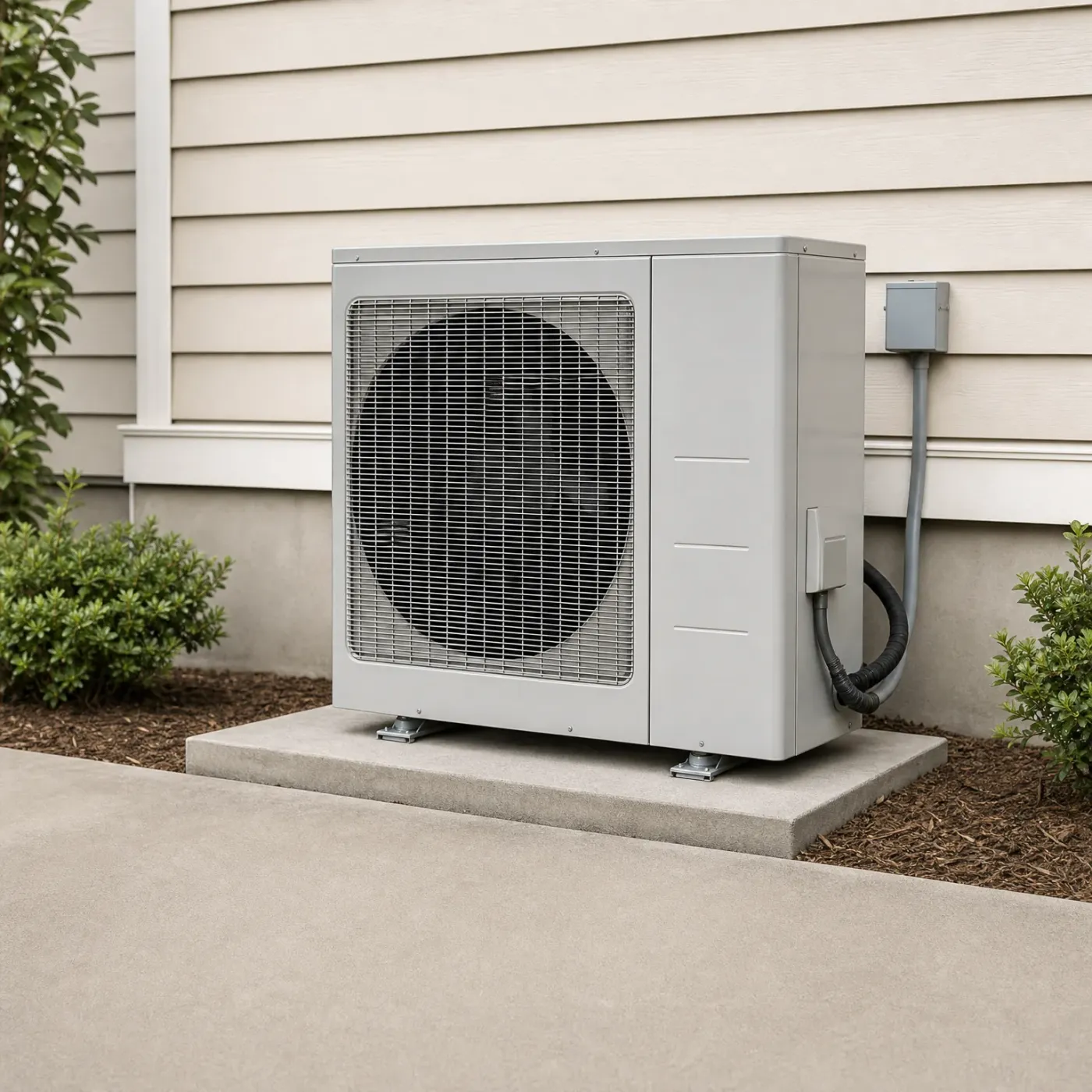
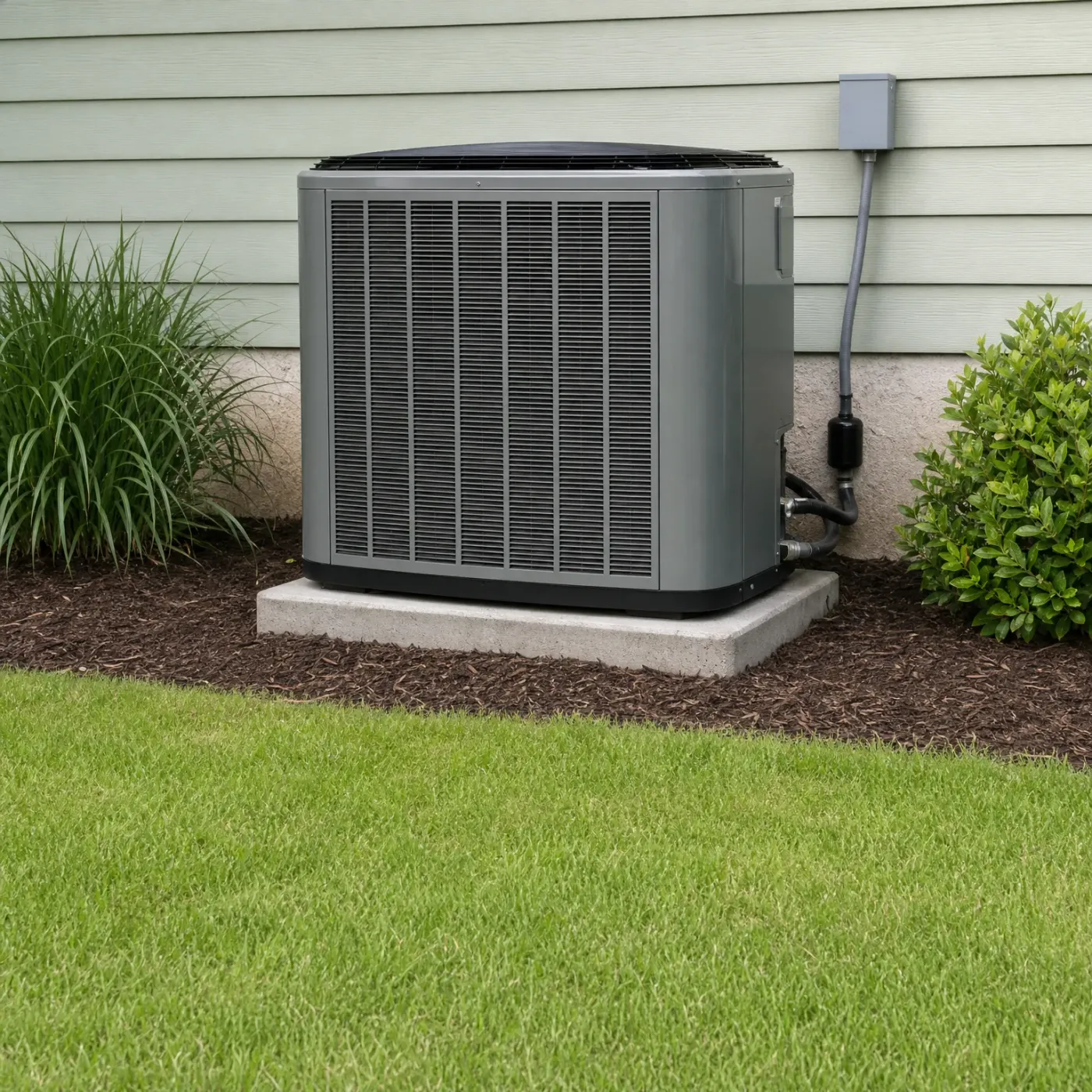
A gray outdoor condenser unit on a concrete pad beside a light-green sided house, surrounded by mulch, ornamental grasses and a shrub, with mowed lawn in the foreground.

Running the way it should

A heat pump kept up like this holds its charge and switches between heating and cooling without strain. The coil stays clean, so it doesn't have to work as hard to move heat either direction. In a Wisconsin winter, that matters as much as it does in July.
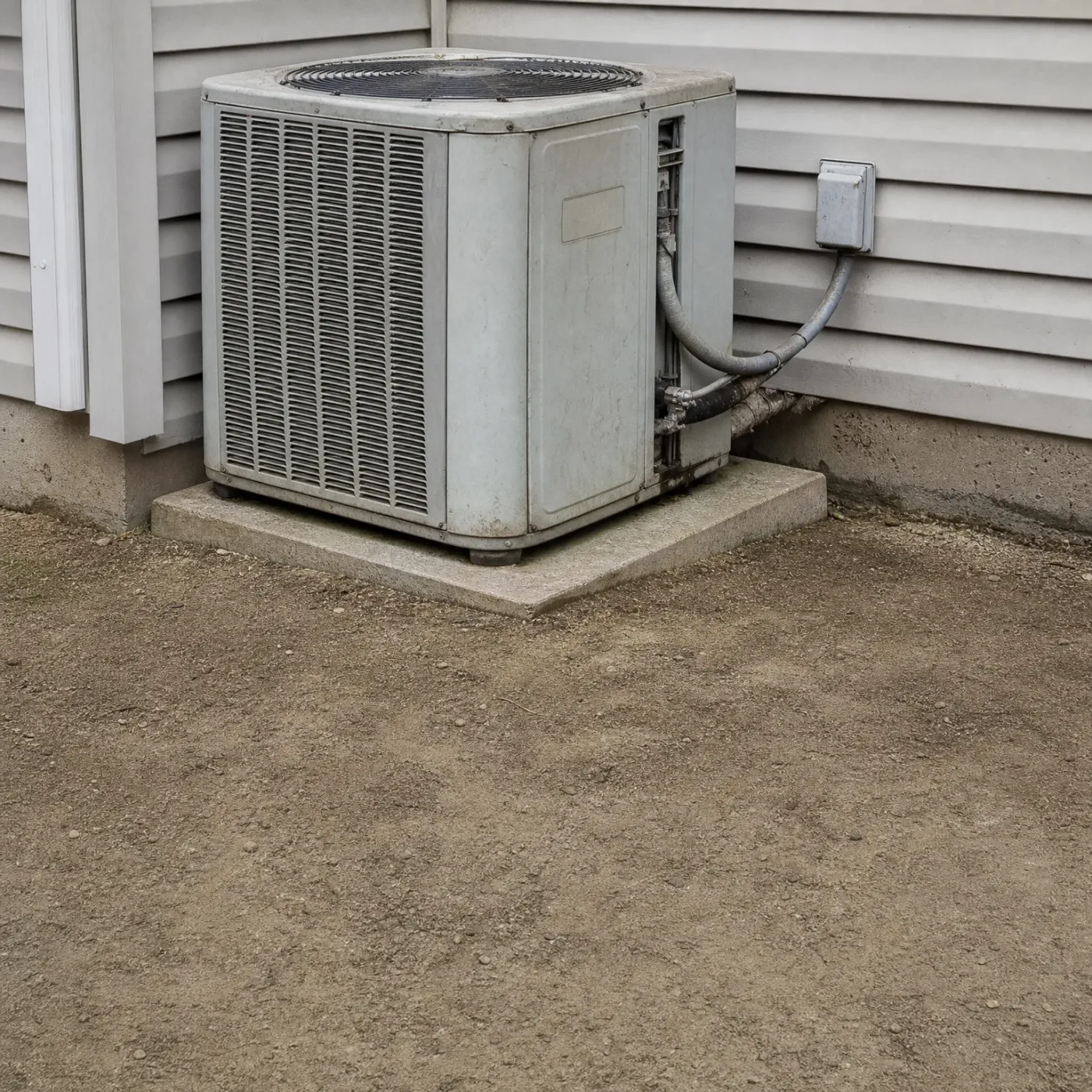

An outdoor condenser unit on a concrete pad beside a horizontal-sided house, with insulated refrigerant lines running to a wall-mounted box, surrounded by bare dirt.

Worn down and working harder

A unit that's been skipped shows it. Weathered cabinets, a coil caked with grime, a reversing valve that sticks. It'll still run, but it pulls more power to do the same job, and with what electricity costs here, that shows up on the bill.

Tune-Up or Skip It This Winter

With a tune-up

  • A contractor catches a weak capacitor or a low charge before it strands you without heat on a January morning.
  • The reversing valve gets tested, so you find out now if it's sticking instead of guessing why the house won't switch over.
  • A clean outdoor coil moves heat in and out with less strain on the compressor, which matters when it's running nearly year round.
  • Defrost controls get checked, so the unit clears frost on its own instead of icing over during a cold snap.
  • You get one visit and one answer, instead of calling around and explaining the same system to three different companies.
  • A local contractor who works on heat pumps all year knows which parts tend to fail first in a Wisconsin winter.

Without one

  • A low refrigerant charge goes unnoticed until the system can't keep up when you need heat most.
  • A failing reversing valve can leave you stuck in one mode, heating when you want cooling or the other way around.
  • A dirty coil makes the compressor work harder to move the same amount of heat, and that shows up on a power bill that's already not cheap here.
  • Frost can build up on the outdoor unit with no defrost cycle working right to clear it.
  • You're left finding a contractor on your own, the one time you most need the system running, instead of having one lined up already.
  • Small problems go unnoticed until they become the reason the system won't run at all on the coldest day of the year.
  1. The outdoor coil gets washed clean of leaves and grass clippings.

  2. The contractor checks refrigerant charge against the system's rated pressure.

  3. The reversing valve gets cycled to confirm it switches heating and cooling cleanly.

  4. Electrical connections and capacitors get tested under load for weak spots.

A gray outdoor heat pump unit on a concrete pad beside a house with horizontal lap siding, connected by conduit and a flexible line to a wall-mounted disconnect box, with low shrubs and mulch nearby.
Clean lines, a full coil, and a pad clear of mulch and shrubs crowding the cabinet.
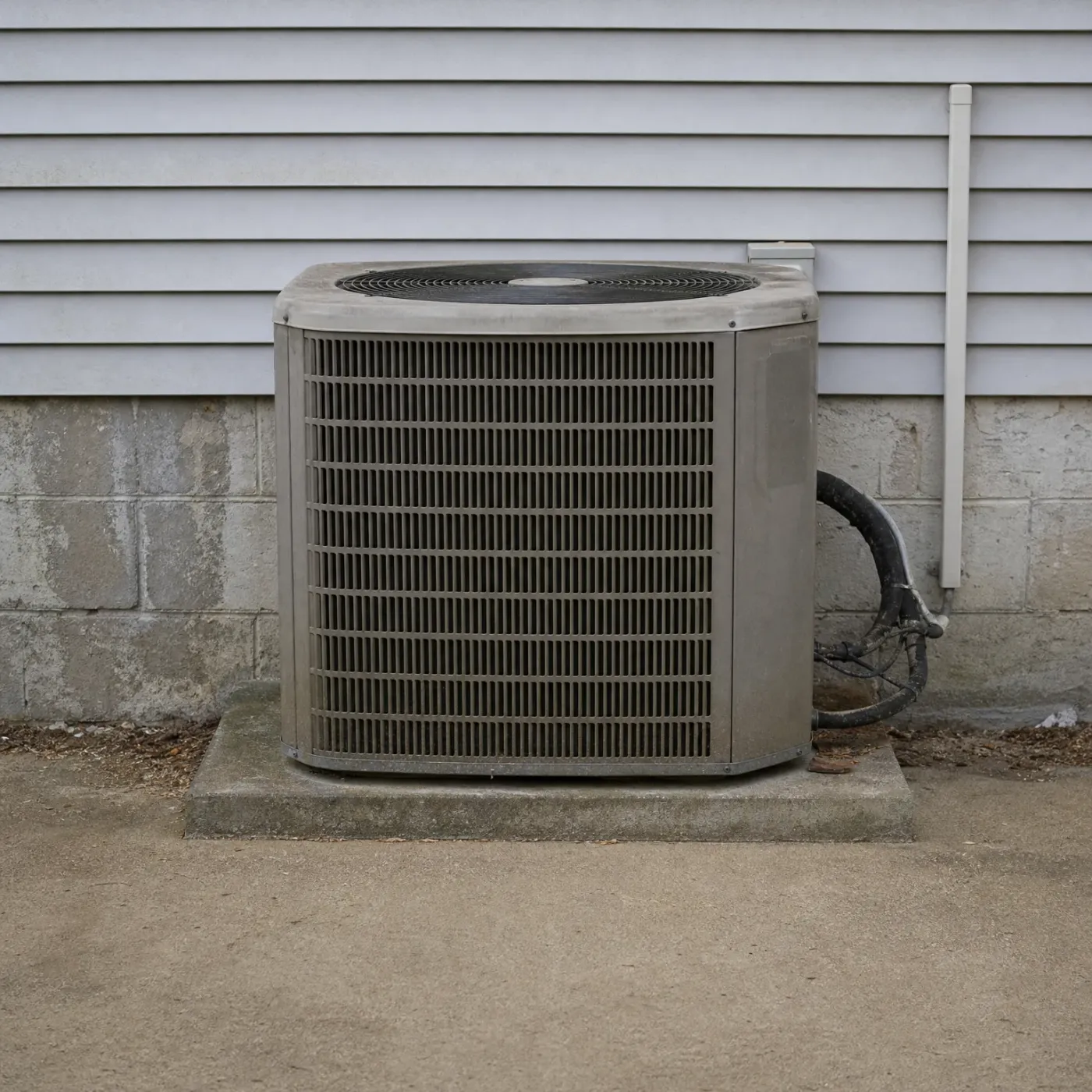
An outdoor air conditioner condenser unit on a concrete pad beside a house with horizontal siding above a concrete block foundation, with insulated refrigerant lines and a vertical white pipe on the wall.
Lines running bare along the block foundation, a cabinet left to weather a Wisconsin winter untouched.
A smiling woman with dark shoulder-length hair in a cream V-neck sweater sits at a marble counter with a glass of red wine, with a kitchen and softly lit living room behind her.
A woman in a dark green sweater laughs while seated at a marble kitchen island with a glass of red wine, with open shelving, cabinets and a living room visible behind her.
A woman with long dark hair in a cream knit sweater laughs while looking off to the side, seated at a counter with a glass of red wine, in a dimly lit living room with a sofa, lamp, framed pictures and houseplant behind her.
A smiling woman with long dark hair in a beige sweater sits at a marble kitchen counter with a glass of red wine, with a dimly lit living room behind her.

Skip calling around

Your request stays with one local pro.

No fee to send it, and nothing to sign.

Why winter is the harder test

Your air conditioner only has to move heat one direction. Your heat pump has to move it both ways, and in January it's pulling warmth out of outdoor air that might be in the teens. That's more strain on the compressor and the reversing valve than a Wisconsin summer puts on the coil. A contractor who tunes up heat pumps all year, not just before summer, has seen what that winter load does to a unit that skipped a season of maintenance, and checks those parts with that in mind.

What a skipped charge check costs you

A heat pump running low on refrigerant doesn't just cool or heat less. It makes the compressor work harder to move the same amount of heat, and with power rates in Wisconsin, that shows up on the bill before it shows up as a comfort problem. Checking the charge against the system's rated pressure catches this early, while it's still a gauge reading and not a compressor that's run hot for months. It's one of the few checks that pays for itself in what you don't pay the utility.

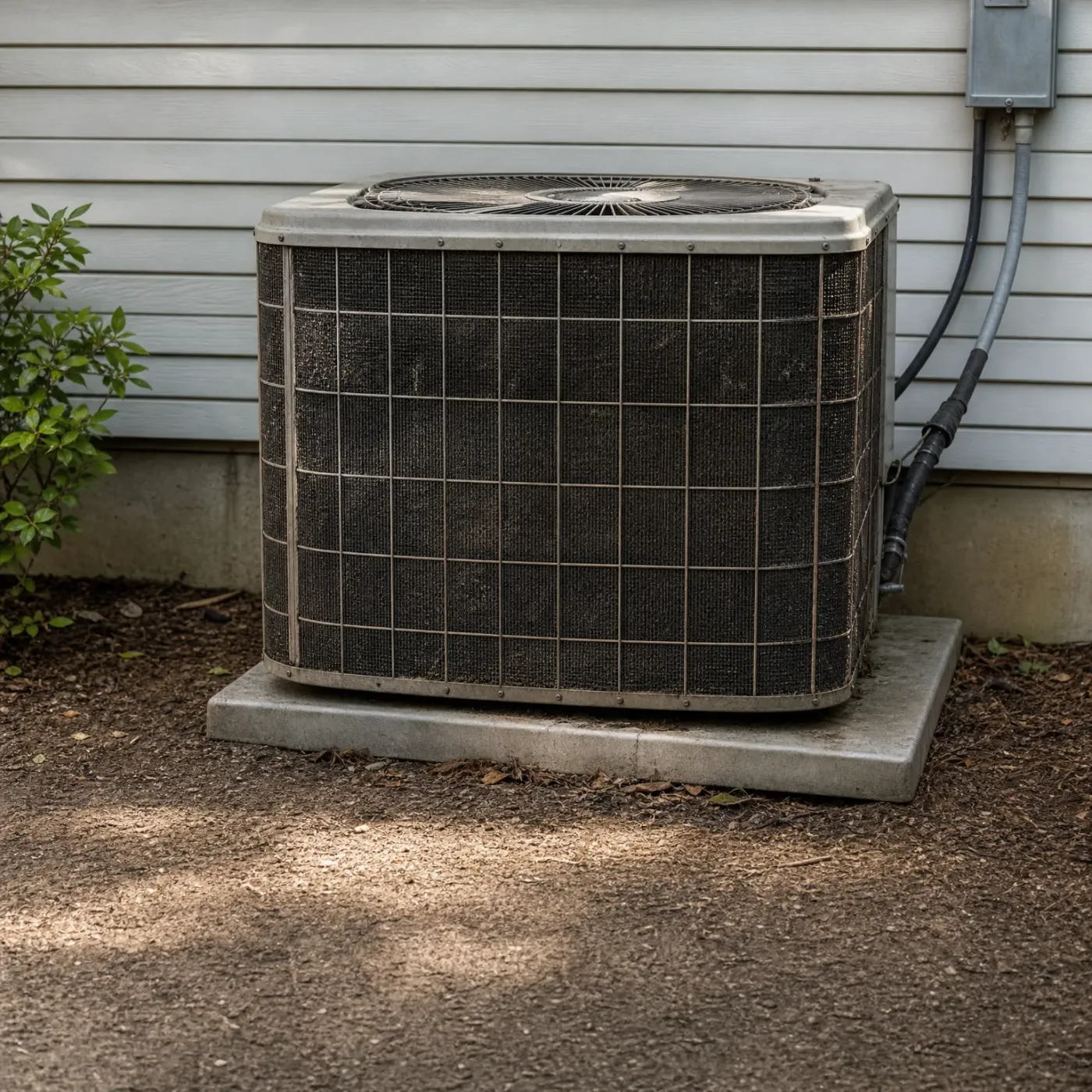
An outdoor air conditioning condenser unit with dusty coils sits on a concrete pad against light horizontal siding, with an electrical disconnect box and refrigerant lines on the wall and a shrub and mulch at left.
Before you get your heat pump maintenance
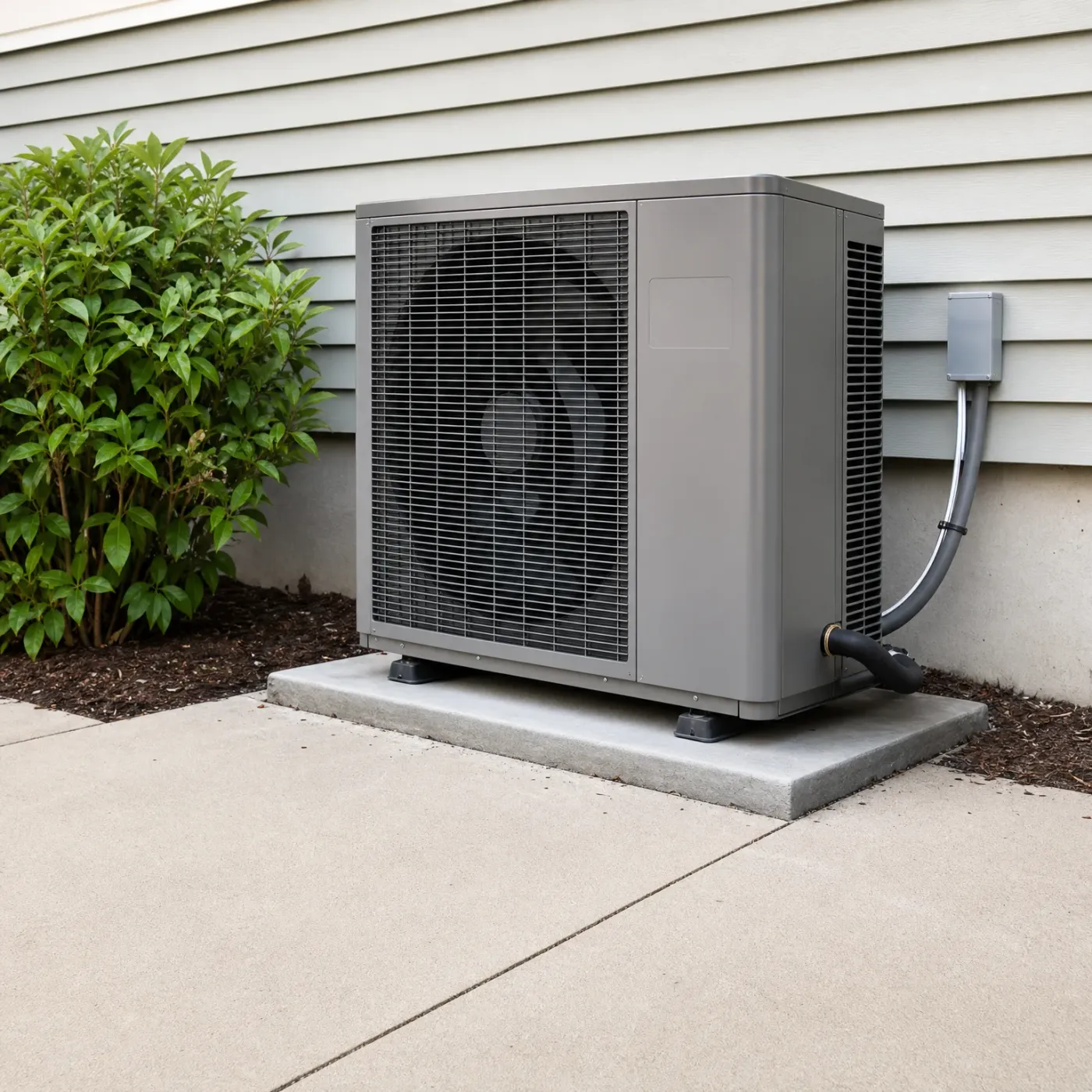
A gray outdoor heat pump unit on a concrete pad beside a house with horizontal lap siding, with a conduit running to a wall-mounted disconnect box and a green shrub to the left.
After you get your heat pump maintenance

What skipping it costs you in January

A heat pump that loses efficiency doesn't trip a breaker or shut itself off. It just runs longer to hold the same temperature, and in a Wisconsin winter that shows up on your electric bill fast since power here isn't cheap. A dirty coil or a low charge means the compressor works harder to pull heat out of cold outdoor air, and most homes here lean on gas furnace backup for the coldest stretches anyway. If your heat pump is straining, you may be burning more gas too, not less, because it's handing off heating duty sooner than it should.

What a stuck valve means for your house

If the reversing valve is sticking, you might not notice until the first cold snap, when you turn the thermostat down expecting heat and get a system that can't decide which direction to run. That's not a quick fix you can do yourself. A contractor who services heat pumps all season in Wisconsin has likely seen that exact valve fail on this exact equipment before, which is different from calling around to three companies and explaining your symptoms three times, only to get three different guesses before anyone looks at the unit.

Power costs 18.08 cents per kilowatt-hour statewide

At 18.08 cents per kilowatt-hour, every extra hour your heat pump runs to make up for a dirty coil or a low charge lands on your bill faster than it would somewhere with cheaper power. Keeping it tuned is what keeps that runtime down.

EIA-861 2025 statewide residential average

Finding someone yourself means calling around to find a contractor who actually works on heat pumps and not just furnaces, then explaining the same thing to each one while you wait for quotes to come back.

Request the service here and that goes away. One licensed local contractor gets your information, someone who services heat pumps all year in this climate and knows what tends to fail first, so you're not fielding calls from five companies trying to win the job.

A smiling bearded man in a navy crewneck sweater sits at a dinner table with a glass of red wine, plates and glasses in the foreground, in a dimly lit room with a lamp and framed picture behind him.
A woman in a dark gray sweater reclines on a light sofa with eyes closed and a slight smile, under a textured gray blanket with an open book resting on her lap, with a lit table lamp and plant in the background.
A closed silver laptop and a ceramic mug of dark coffee sit on a wooden table in front of two chair backs, with a kitchen counter, tiled backsplash, wooden cutting boards, a vase of greenery and a potted plant by a window behind.

What a tune-up comes down to

A heat pump tune-up means someone checks the charge, cleans the coil, and tests the reversing valve before winter asks the system to do the harder half of its job. That's the whole answer. Skip it and the unit still runs, just longer and weaker, and you pay for that difference every month until something fails outright.

You don't have to track down a contractor who actually services heat pumps instead of just furnaces, or call three companies and repeat the same description of your system to each one. One licensed contractor near you, someone who works on these year-round and knows what tends to go first in a Wisconsin winter, takes the job from here. You'll know where you stand with your system either way, but this is the part that gets it off your plate.

A living room corner with a light beige sofa holding a textured taupe cushion, a large ceramic vase of olive branches by a window, a framed neutral artwork on the wall, and a dark bowl with stacked books in the foreground.
A covered porch with a wood front door with six upper glass panes, a lantern wall sconce, tapered column on a stone base, potted ferns and flowers, a woven doormat, and wide steps leading to a paver walkway bordered by shrubs and white hydrangeas.
A beige upholstered sofa with a cream cushion and chunky knit throw sits beside a white-framed window, with a leafy potted plant in a stone vase against a tan wall.
Sunlit corner of a room with a linen curtain beside a window, built-in shelves holding ceramic vases, wooden bowls, a potted green plant, stacked books and a woven basket, above a textured rug.
A dark wood three-drawer dresser against a pale wall holds a tall ceramic vase with leafy branches, stacked books and a shallow bowl, with a framed print above, a woven basket on the wood floor at left, and an upholstered sofa with a green pillow in the foreground.
A cream upholstered sofa with a textured ivory cushion and a rust-colored cushion sits beside a window with sheer linen curtains, with a potted leafy plant behind it and a wooden bowl on a wood table in the foreground.

Describe it once

A licensed local pro takes the request for your heat pump tune-up.

Find a local pro

Sending the form costs nothing.