
This is what normal looks like
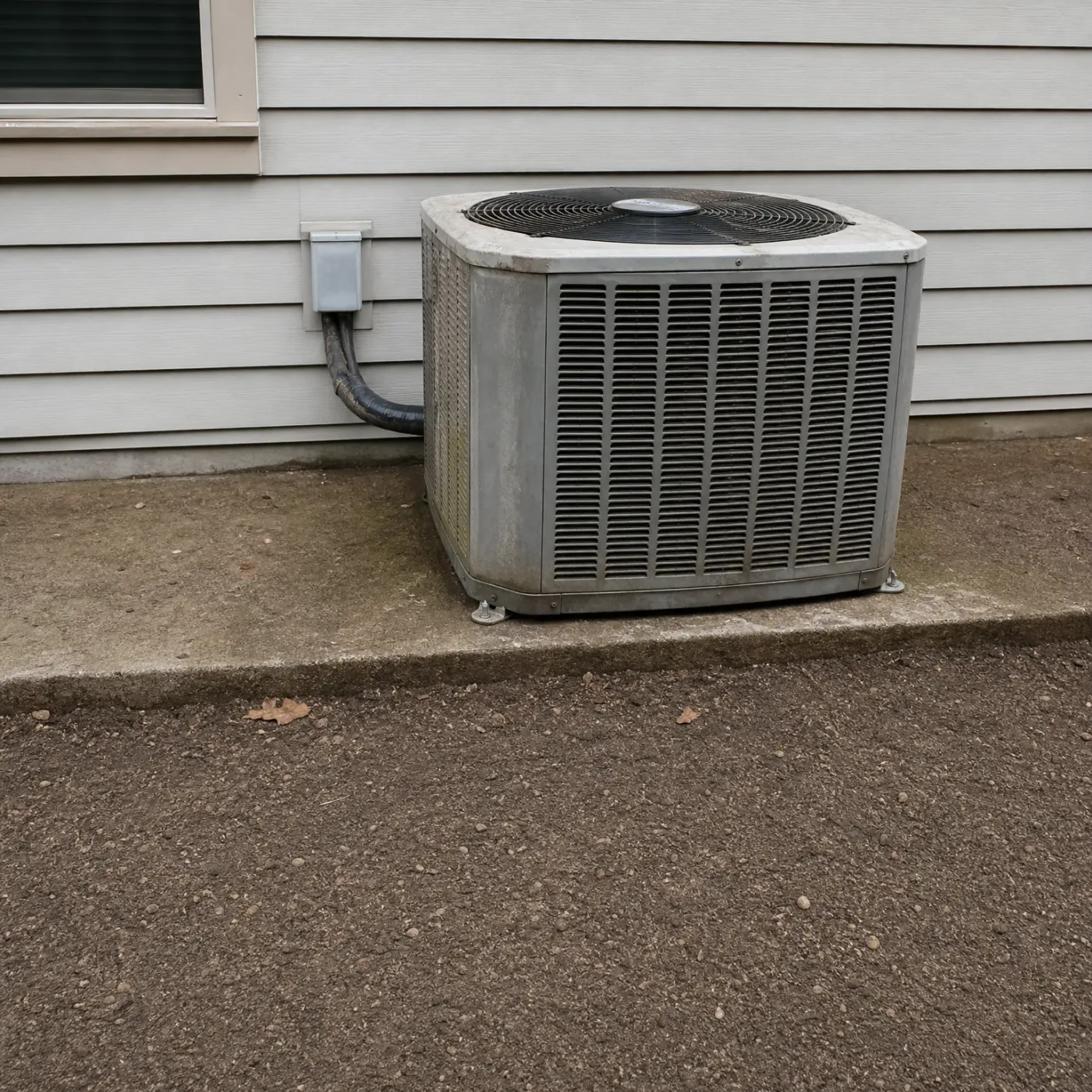
The coil is clean and the cabinet is dry, no ice built up anywhere on it. It cycles into defrost for a few minutes every hour or so and comes right back to heating, and you'd have no reason to go check on it.
Defrost mode is your heat pump melting the ice off its outdoor coil. In a Wisconsin winter, that coil sits outside in freezing air pulling in heat, and moisture in the air settles on it as frost, the same way frost builds on a car window overnight. Once it gets thick enough, the unit reverses itself for a few minutes, sends warm refrigerant out to the coil, and runs the outdoor fan less or not at all while it does. You might notice what looks like steam coming off the outdoor unit, hear a whooshing sound, or feel less warm air inside for a short stretch. That's normal and it ends on its own. What's not normal is heavy ice that keeps coming back, ice on the coil even after a defrost cycle finishes, or a unit that never seems to leave defrost mode. That points to a real problem, like a failing defrost sensor, a stuck reversing valve, or low refrigerant, worth having looked at before it gets worse.
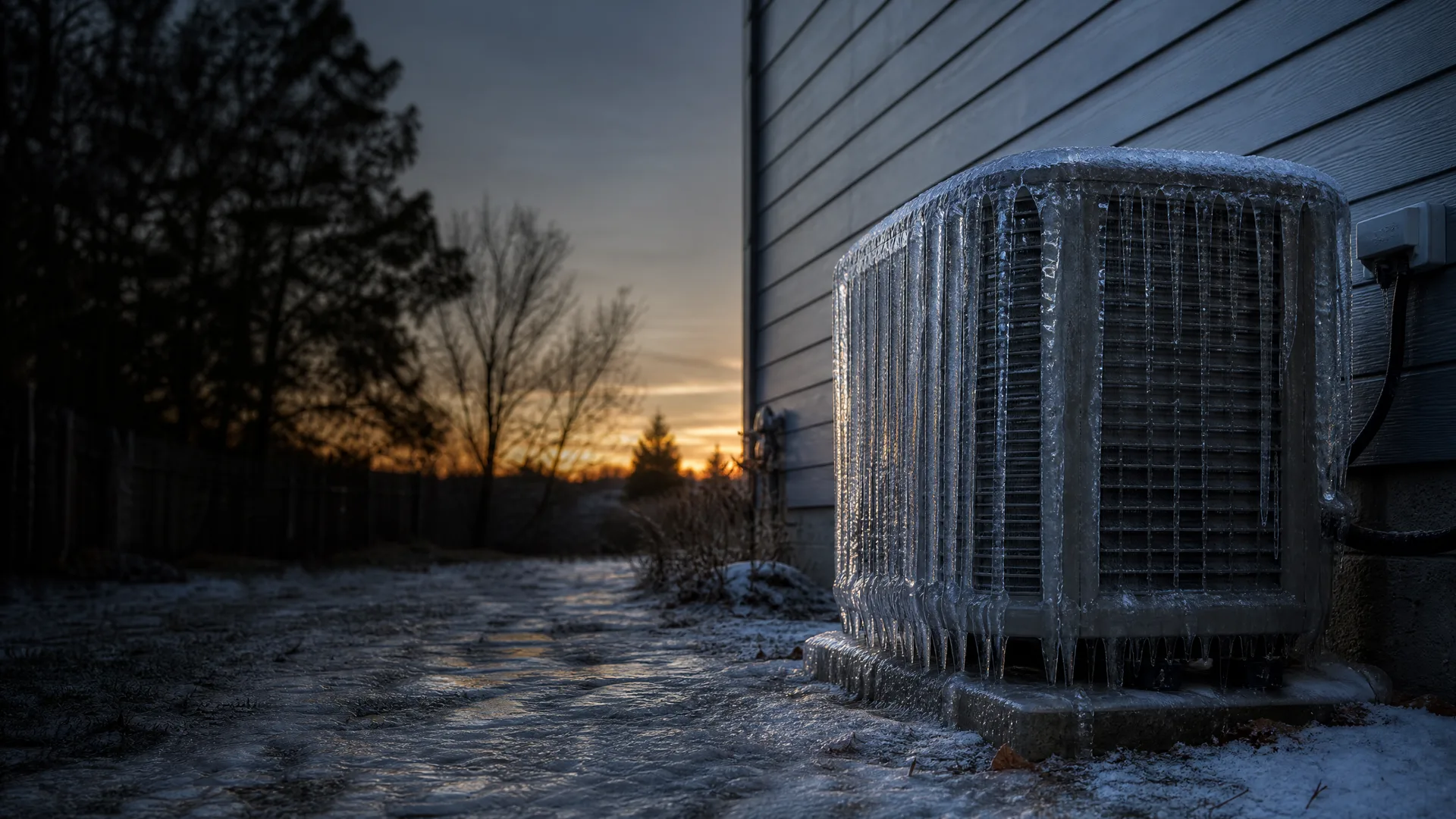
You go out for the paper a little after six and the yard is still dark, the snow blue under the porch light. The outdoor unit is caked in ice, thick over the coil and across the top panel, icicles starting at the corners. It's been running fine all week. You stand there a second, breath showing, trying to remember if it looked like this yesterday. No fan noise, no steam, nothing moving. Just ice, and the cold coming up through your socks, and the furnace somewhere behind you in the house doing the work instead.
You walk by the thermostat and feel cold air coming out of the vents, right when the outdoor unit is running its loudest. It feels backwards, like the system is working against itself in the middle of a Wisconsin cold snap. You're not sure if this is the unit failing or something it's supposed to do on its own.
To defrost the outdoor coil, the heat pump has to reverse itself and run as an air conditioner for a few minutes. That sends hot refrigerant outside to melt the ice, which means the air coming through your vents runs cold instead of warm for a short stretch. Most systems pair this with the outdoor fan shutting off, so you'll notice quiet outside and cool air inside at the same time. Some units also kick on a strip of backup heat during this cycle so the house doesn't feel the dip as much. Once the coil is clear, the unit switches back and warm air returns on its own.




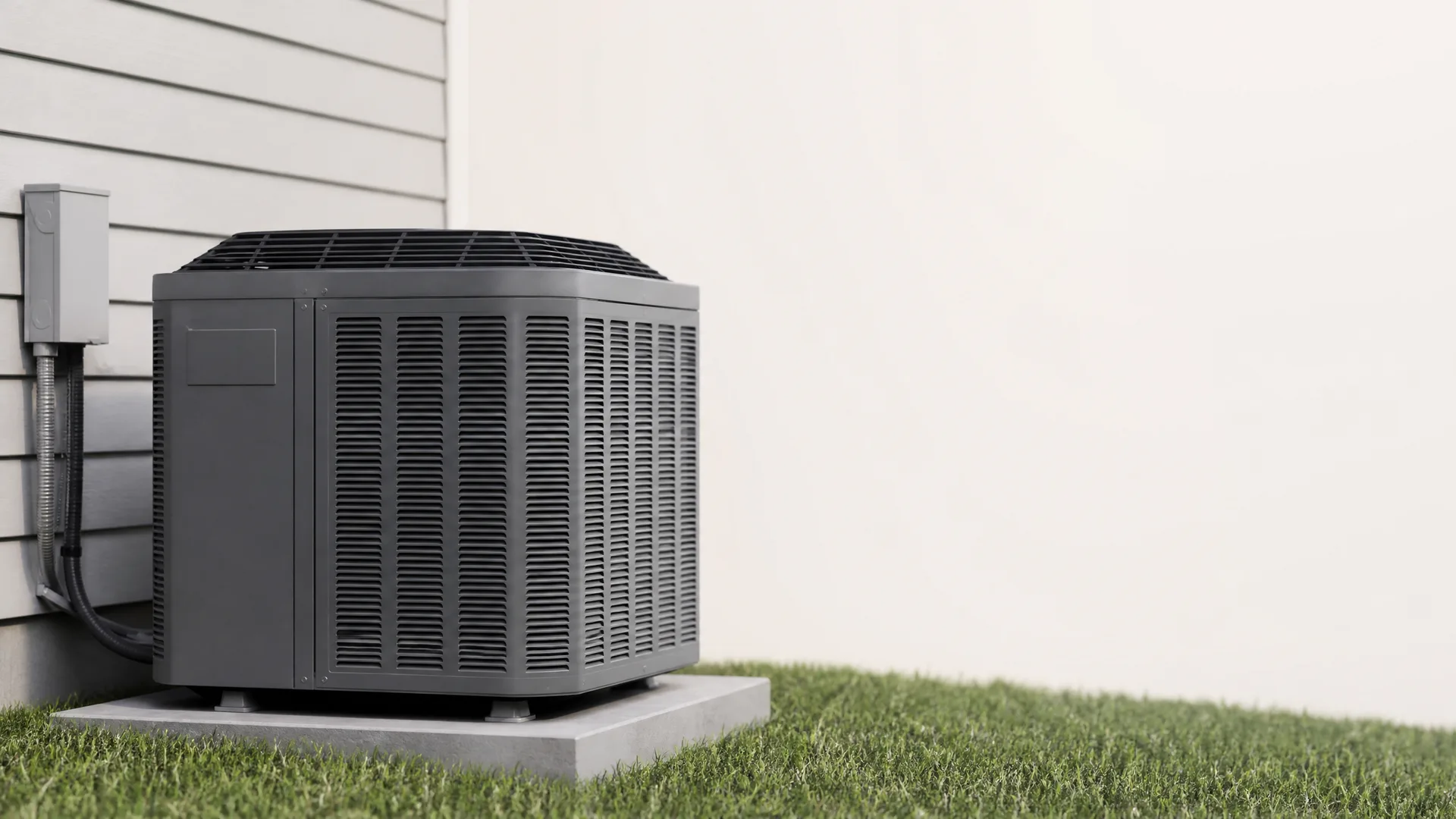
Inside the unit is a reversing valve that normally lets the system pull heat from outside air and move it into your house. During defrost, that valve flips the flow, sending hot refrigerant backward out to the outdoor coil instead. That's what strips the ice off. It's also why the outdoor fan stops and the unit sounds different for those few minutes, almost like it's idling rather than running.
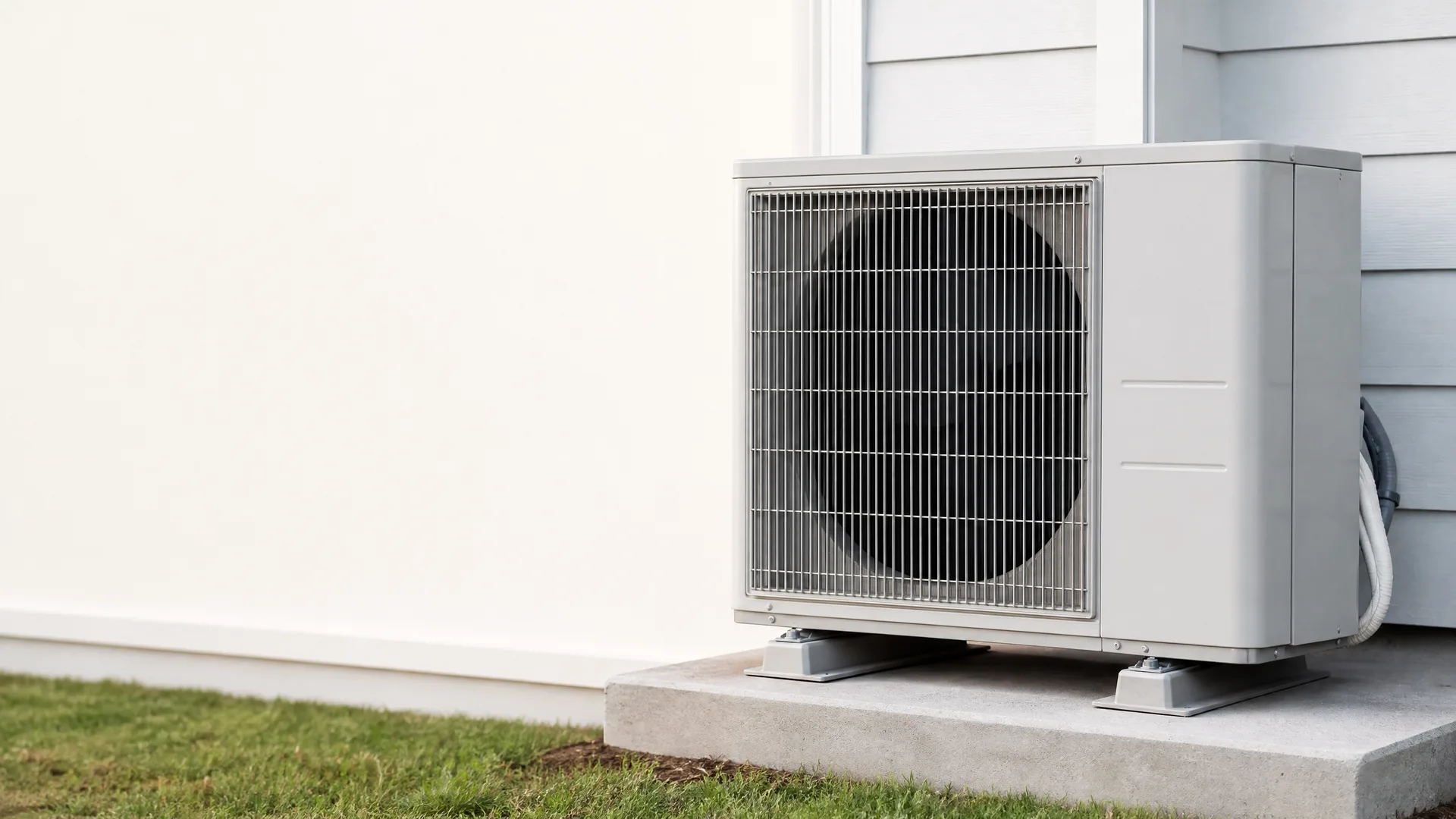
A thermistor on the outdoor coil tracks its temperature, and a control board tracks how long the system has run since the last defrost cycle. When both conditions line up, the board triggers defrost on its own. You don't set a timer or flip a switch for this. If a unit is defrosting every twenty minutes instead of every hour or two, that sensor or board is usually why, and it's worth having checked before a cold snap rolls through.

A normal defrost cycle ends in a few minutes and you'd barely notice it happen. One that runs ten or fifteen minutes, or one that kicks on every hour instead of every sixty to ninety minutes, means the unit is working harder to melt ice that keeps building back faster than it should. Power in Wisconsin isn't cheap, and a heat pump stuck cycling into defrost over and over is pulling extra electricity while it does less actual heating of your house. Most homes here lean on gas furnaces to carry the coldest stretches, but if your heat pump is still straining on the milder days too, that's extra load on top of what you're already paying for gas.
Left alone, the ice can win. A coil that never fully clears builds a thicker shell each cycle, and eventually the unit can't pull enough heat from outside air to keep up, or the fan or coil takes damage from ice that never melted all the way. You don't need to watch every cycle, but if you've noticed this happening more than once or twice this week, it's worth having someone who can look at the actual unit rather than guess from what you're describing. That's a faster path than searching around and calling a few places yourself to find out who even works on heat pumps out this way.



A heat pump stuck in long or frequent defrost cycles is pulling more power to do it, and with Wisconsin electric rates, that shows up on your bill fast. It's also a sign the system isn't recovering the way it should, and a unit that struggles through defrost all winter is more likely to need a repair before spring. Sorting that out yourself means searching for a contractor who works on heat pumps specifically, not just furnaces, since most homes around here heat with gas and not every contractor sees heat pumps often. Then there's the back and forth: calling a few, describing the ice buildup or the long cycle times to each one, waiting on quotes, trying to judge who actually knows this equipment. Submitting your request here skips that. You explain what your heat pump is doing once, and a contractor who works on these systems follows up with you directly, so you're not stuck managing the search while your system keeps cycling.
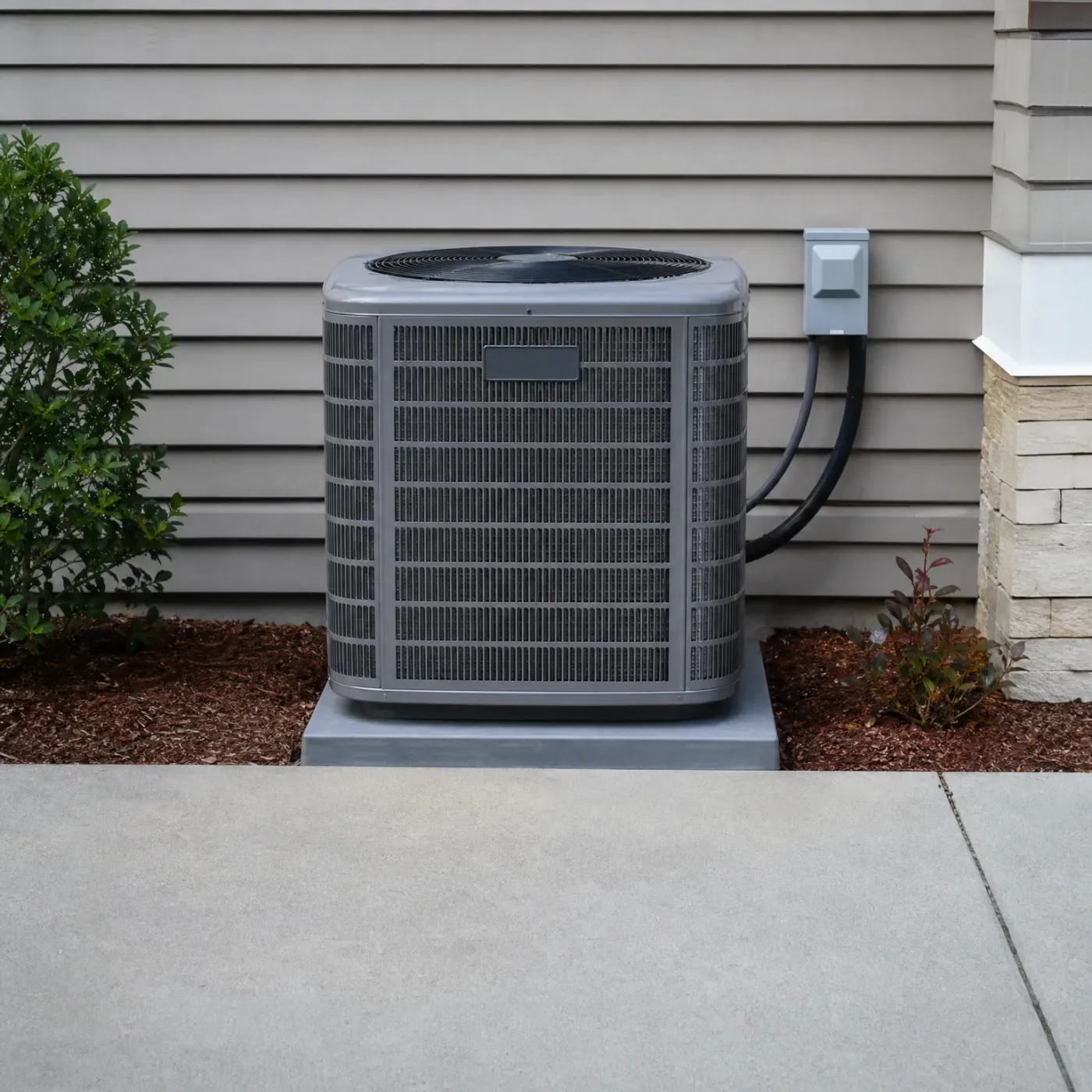
The coil is clean and the cabinet is dry, no ice built up anywhere on it. It cycles into defrost for a few minutes every hour or so and comes right back to heating, and you'd have no reason to go check on it.
Ice is climbing the coil and reaching toward the refrigerant lines running to the disconnect box. If it's thawing slower than it's freezing, or it's running defrost more than you'd expect for the temperature outside, something in that cycle isn't working right.
You notice the outdoor unit running more than it seems like it should, or the house feels a little cooler than the thermostat setting even though the system never stops. Maybe you've caught yourself checking the breaker because the unit sounds like it's working harder than last winter. If the coil stays iced between cycles instead of coming back clean, or the fan outside seems to run constantly, that's extra electricity going into a cycle that isn't finishing the job. Left alone through a full Wisconsin winter, that's not a small add to the power bill, and it's wear on a unit that's fighting ice instead of just heating your house.
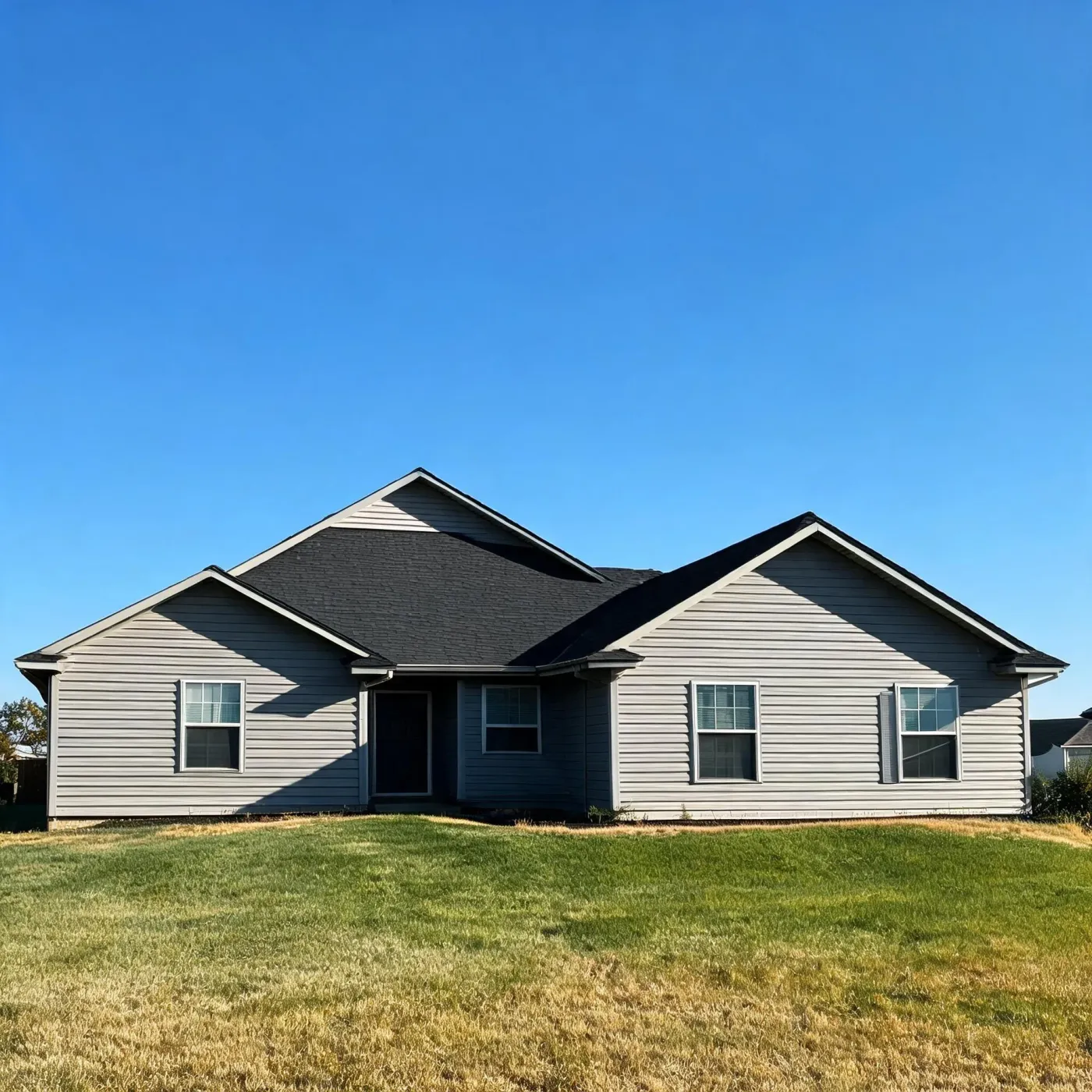
Summer humidity here runs high. Figured across the whole state, the summer dew point averages 60°F through June, July and August, according to NOAA data, and that's the kind of air that feels heavy the moment you walk outside. Your heat pump has to pull that moisture out along with the heat, which means it runs longer to get the house comfortable. The defrost cycle itself is a winter thing, but the same reversing valve and coil doing that work in January are working through every muggy afternoon in July. A system already running long hours in summer heads into winter with more wear on it, so a coil that frosts oddly or a defrost cycle that runs too long or too often is worth a look before it costs you more.
NASA POWER T2MDEW county cells weighted by homes
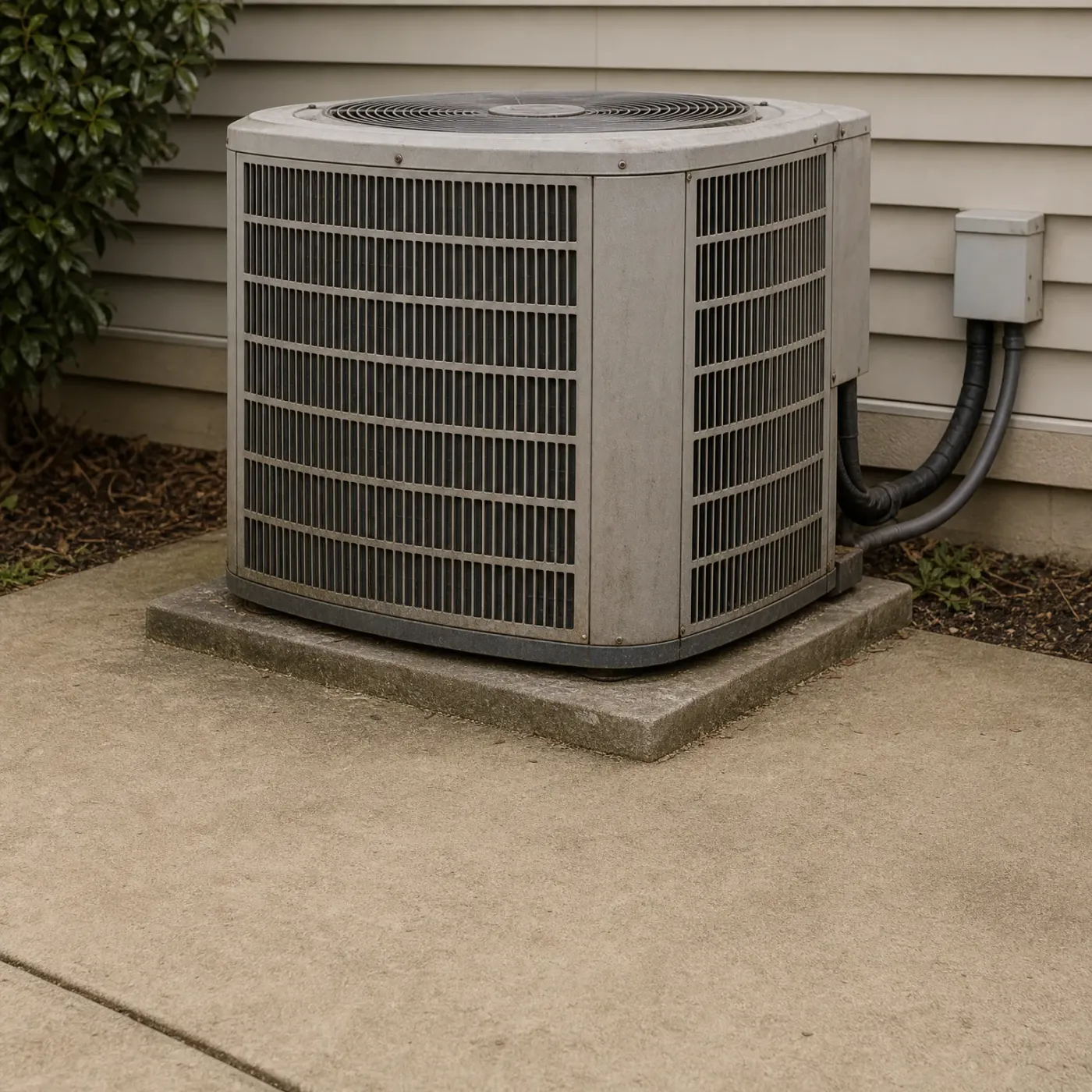
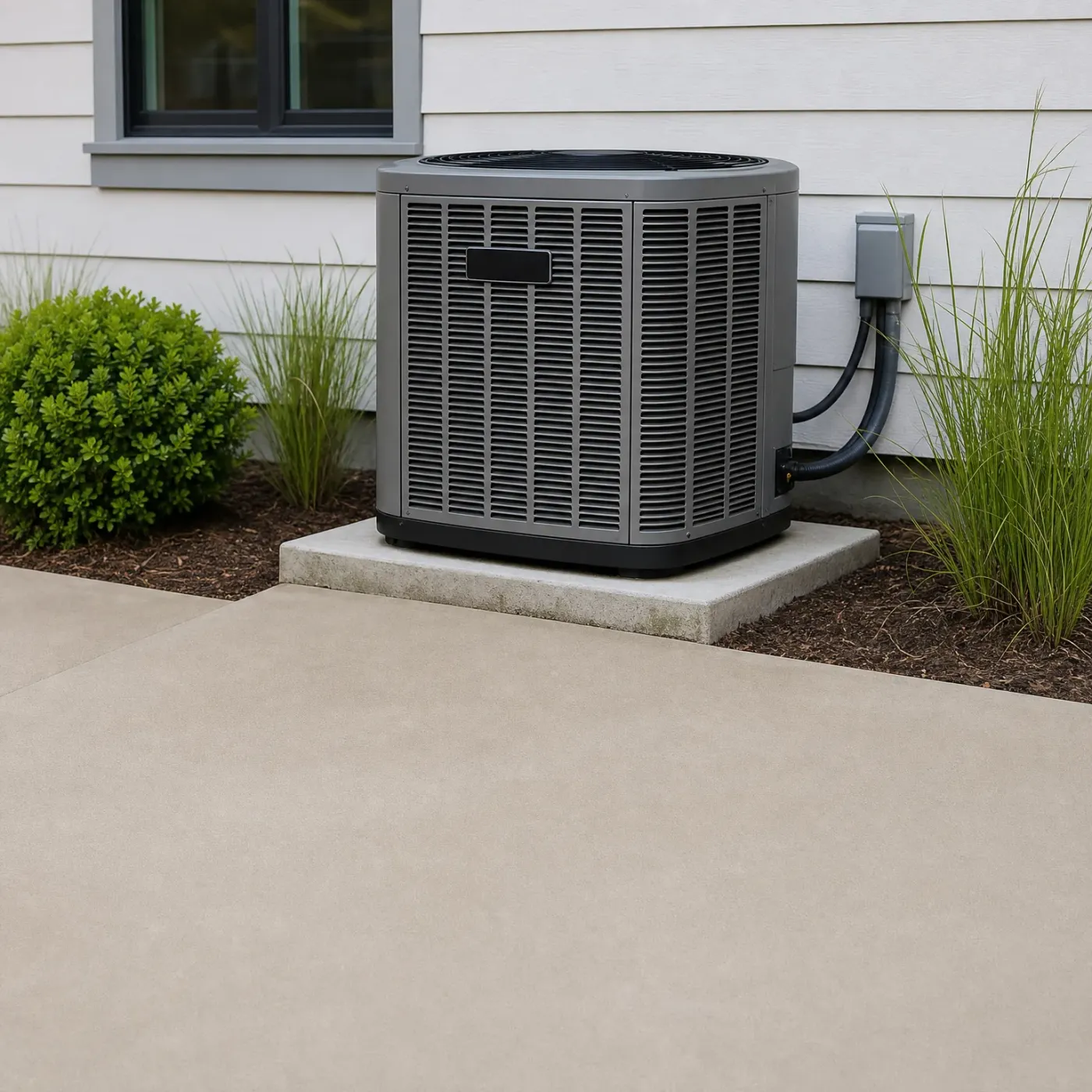
Every extra minute your heat pump spends stuck in defrost, or running a longer heating cycle to recover from one, draws power at 18.08 cents a kilowatt-hour. A unit that defrosts the way it should barely moves the needle. One that's struggling shows up on your next bill.
EIA-861 2025 statewide residential average
Defrost mode itself isn't the problem. Every heat pump in Wisconsin runs it all winter, melting frost off the outdoor coil so it can keep doing its job. What matters is how it behaves while it's doing that. A cycle that runs a few minutes, backs off, and lets the system return to heating is just the machine taking care of itself. One that runs long, kicks on too often, or leaves cold air blowing after it's supposed to be done is telling you something isn't recovering the way it should.
That difference is easy to miss if you're not watching for it. The outdoor unit still runs, the house still gets some heat, and nothing seems urgent enough to act on right away. But a coil that won't fully clear, or a defrost cycle that's become part of the unit's normal hourly routine instead of an occasional one, is asking the system to work harder every single time it happens. Over a Wisconsin winter, that adds up on the electric bill before it shows up as a bigger repair.
Catching it now, while it's still a question about how the unit is cycling, is a smaller problem than catching it in February when the coil won't clear at all. You don't have to figure out whether it's the defrost control board, a failing sensor, or a reversing valve that's sticking. That's the part you get to hand off, instead of searching for someone to call, explaining the same thing twice, and weighing quotes against each other while the problem sits there getting worse.





One form replaces the calls you'd make to find a heat pump pro.
There's no charge for the request.