30 to 35 degrees
That's where most heat pumps start losing efficiency fast. On the coldest Wisconsin nights, yours is working far harder than it did in October.
Hand off the heat pump problem
Your heat pump works harder once temperatures drop toward freezing, and in a Wisconsin winter that means real strain on the system and a bigger bill behind it. This page gets into what's driving the jump, from the equipment itself to how it runs alongside backup heat. If something's off, you won't have to spend your evening calling around and explaining it from scratch.
I'm done searchingYour heat pump bill climbs in winter because the colder the air outside, the harder the system has to work to pull heat out of it. Below about 30 to 35 degrees, most heat pumps lose efficiency fast, and on the coldest Wisconsin days the unit may lean on backup electric resistance heat to keep up, which draws far more power than the compressor alone. Frost on the outdoor coil adds to the load too. The unit has to run a defrost cycle to melt it off, and that cycle uses energy without heating your home. None of this means something is wrong. It's how the equipment behaves in weather this cold. But if the bill jump feels bigger than the temperature explains, or the system is running constantly without catching up, that points to something worth having looked at before it costs you the rest of the winter.
A heat pump doesn't make heat, it moves it, pulling warmth out of outdoor air even when that air is cold. The colder it gets, the less heat there is to grab, and the harder the unit works for the same result. Below freezing, frost forms on the outdoor coil. To clear it, the system runs a defrost cycle, briefly reversing itself to melt the frost off. For those few minutes it's cooling your house, not heating it, so backup heat steps in to cover the gap. Most homes here pair the heat pump with a furnace or electric strip heat that takes over once it's too cold outside for the heat pump to keep up on its own. That switchover point matters. Set wrong, the system calls on backup heat more than it needs to, and backup heat costs more to run than the heat pump does. A thermostat that swings the temperature up and down adds to this, triggering more defrost cycles and more backup heat than a steady setting would.




Power in Wisconsin costs enough that these problems show up fast on your statement, not months later. A heat pump that runs nonstop through a cold snap is drawing power the whole time, and a 10 degree night asks a lot more of it than a 40 degree one. Once the backup electric heat kicks in, you're not just running the heat pump harder, you're running a second, less efficient system alongside it, and that combination is what drives the biggest jumps. Setting the thermostat back overnight feels like it should save money, but recovering that temperature in the morning during a cold stretch can trigger backup heat right when it costs the most to run. None of this requires a big failure. A dirty filter or a blocked vent cuts down airflow, so the system cycles longer and defrosts more often just to keep up. Low refrigerant has the same effect, and it tends to show up hardest during the coldest weeks of January and February, when the system has the least room to compensate. Ice is the clearest sign something's off: a healthy defrost cycle clears what frost builds up, but if ice is getting ahead of it, the unit is running longer than it should for the heat it's putting out. Dealing with these early, before they turn into a bigger repair, is what keeps a Wisconsin winter bill from climbing more than it has to.


That's where most heat pumps start losing efficiency fast. On the coldest Wisconsin nights, yours is working far harder than it did in October.
Below freezing, the unit runs defrost cycles to clear it. Each one briefly reverses the system and pulls extra power to do it.
Walk past a vent on a cold night and the air feels cool, not warm, even though the unit outside hasn't stopped running. That's normal for a heat pump working against a Wisconsin cold snap, but it's worth noticing how long it runs and how often. If you hear it humming for hours without shutting off, or you catch the outdoor unit coated in frost well past a defrost cycle, it's working harder than it should for the heat you're getting. Left alone, a unit straining like that through a whole winter wears down parts earlier than it would otherwise, and the bill keeps climbing while it does.
Indoor thermostat calls for heat and signals the outdoor unit to start.
The outdoor coil pulls what heat it can from the cold air.
Refrigerant carries that heat inside and releases it through the indoor coil.
The blower pushes that warmed air through your ducts.
Answer a few questions instead of calling shop after shop.
Asking costs nothing, and the choice to hire stays yours.
Summers here run humid, with a dew point averaging 60°F across June, July and August, according to NOAA climate data for Wisconsin. That's the side of your heat pump you notice as comfort. Winter is the side you notice on the bill. The same coil that pulls moisture out of thick summer air has to pull heat out of thin, cold winter air, and the colder it gets, the less there is to grab. If that coil has been running clean all summer, it has less trouble doing its job once the temperature drops. If it's been struggling with grime or low airflow, you'll feel it first indoors and see it next on what you owe.
NASA POWER T2MDEW county cells weighted by homes
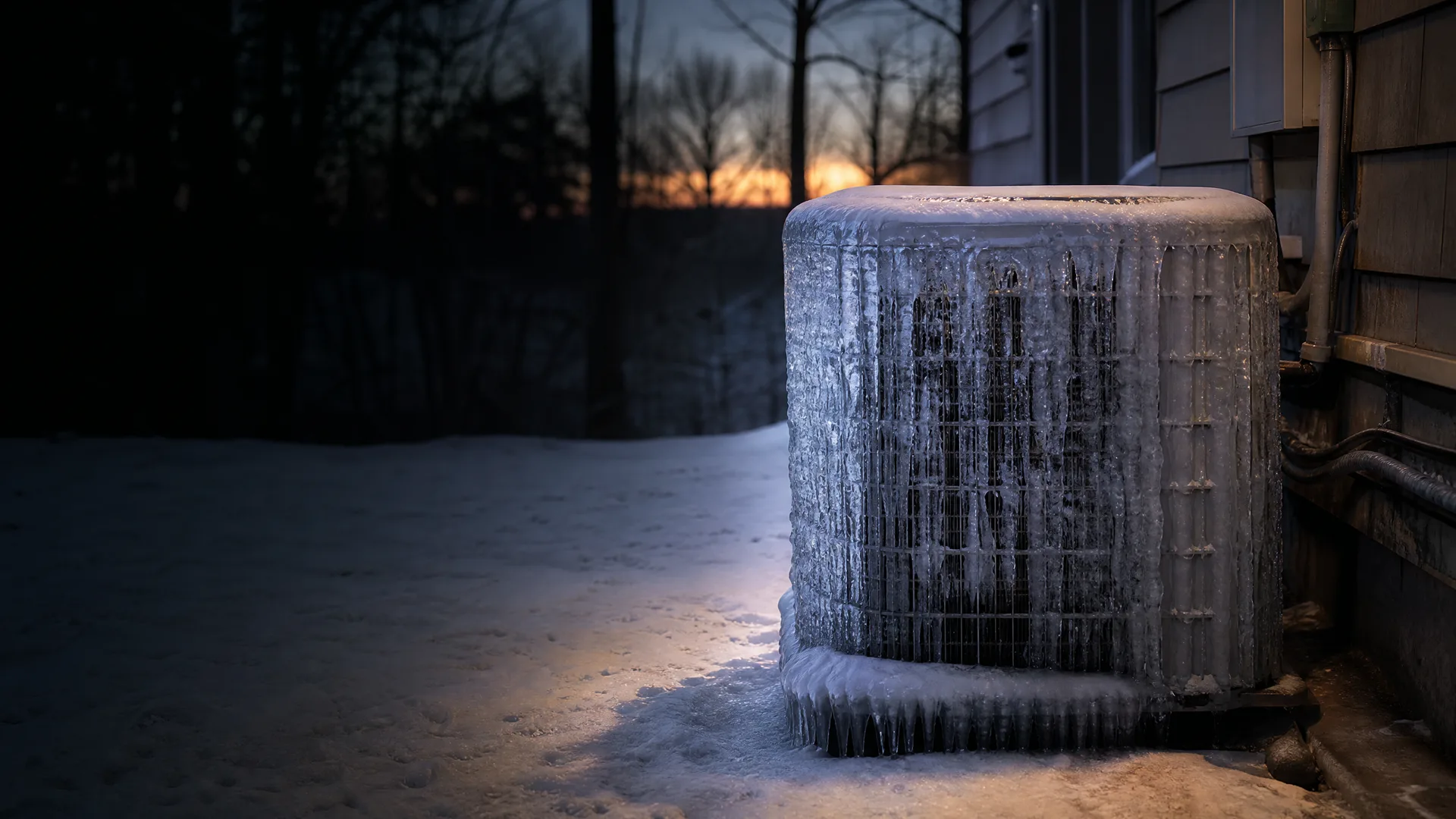
Six-thirty in the morning, still dark, and you're out by the side yard getting the trash to the curb. You catch it out of the corner of your eye: the outdoor unit crusted over, ice thick across the coil fins, not just frost but a hard shell of it. The temperature on your phone reads 9 degrees. The unit sits there quiet for a second, then kicks into a hum that sounds different than usual, almost labored. No steam, no defrost cycle running yet. Just ice, and cold, and a bill upstairs on the counter you haven't opened.
At 18.08 cents per kilowatt-hour, every extra hour your heat pump runs in the cold shows up fast. Add in backup electric heat on the hardest nights and the jump on your bill is real power use, not a meter glitch.
EIA-861 2025 statewide residential average
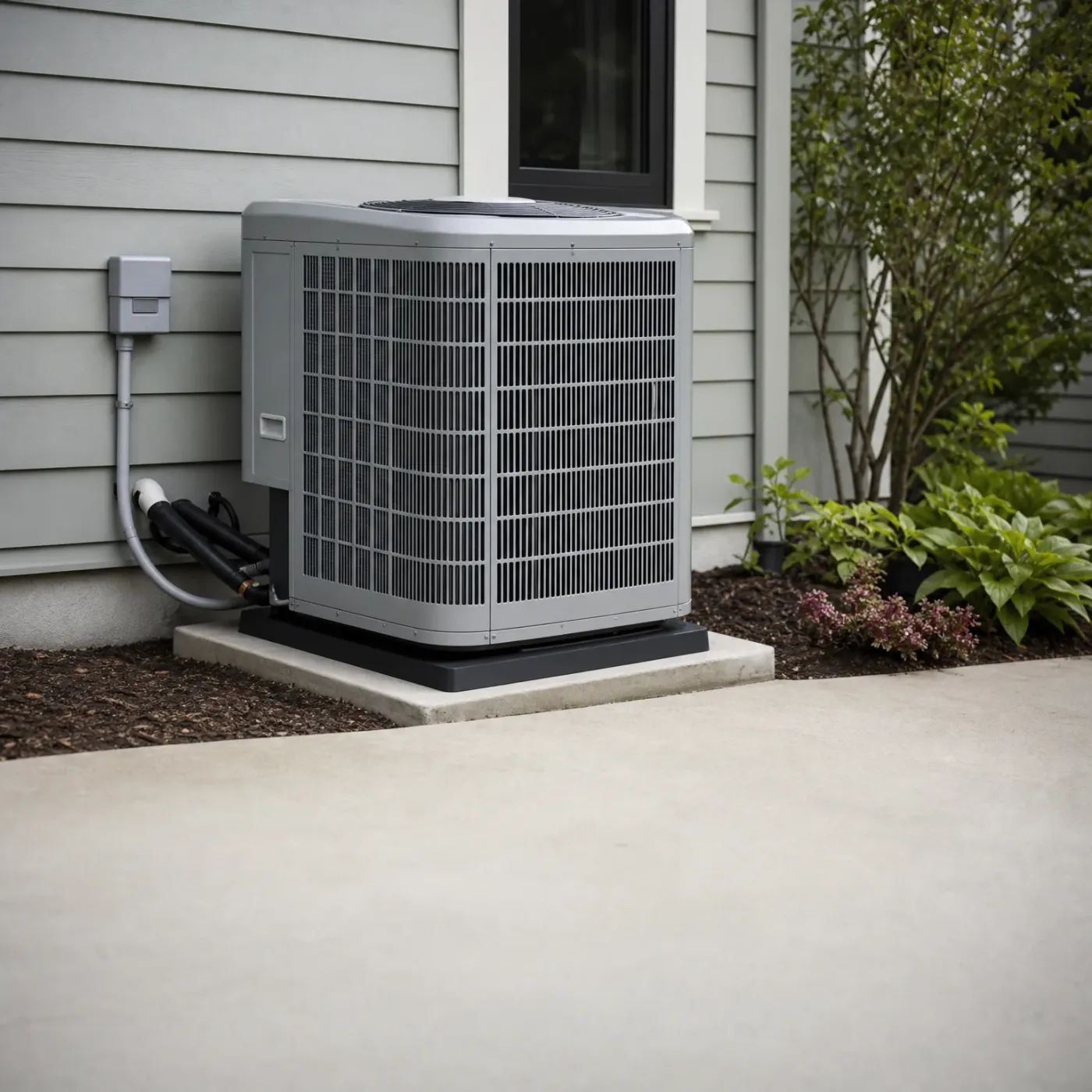
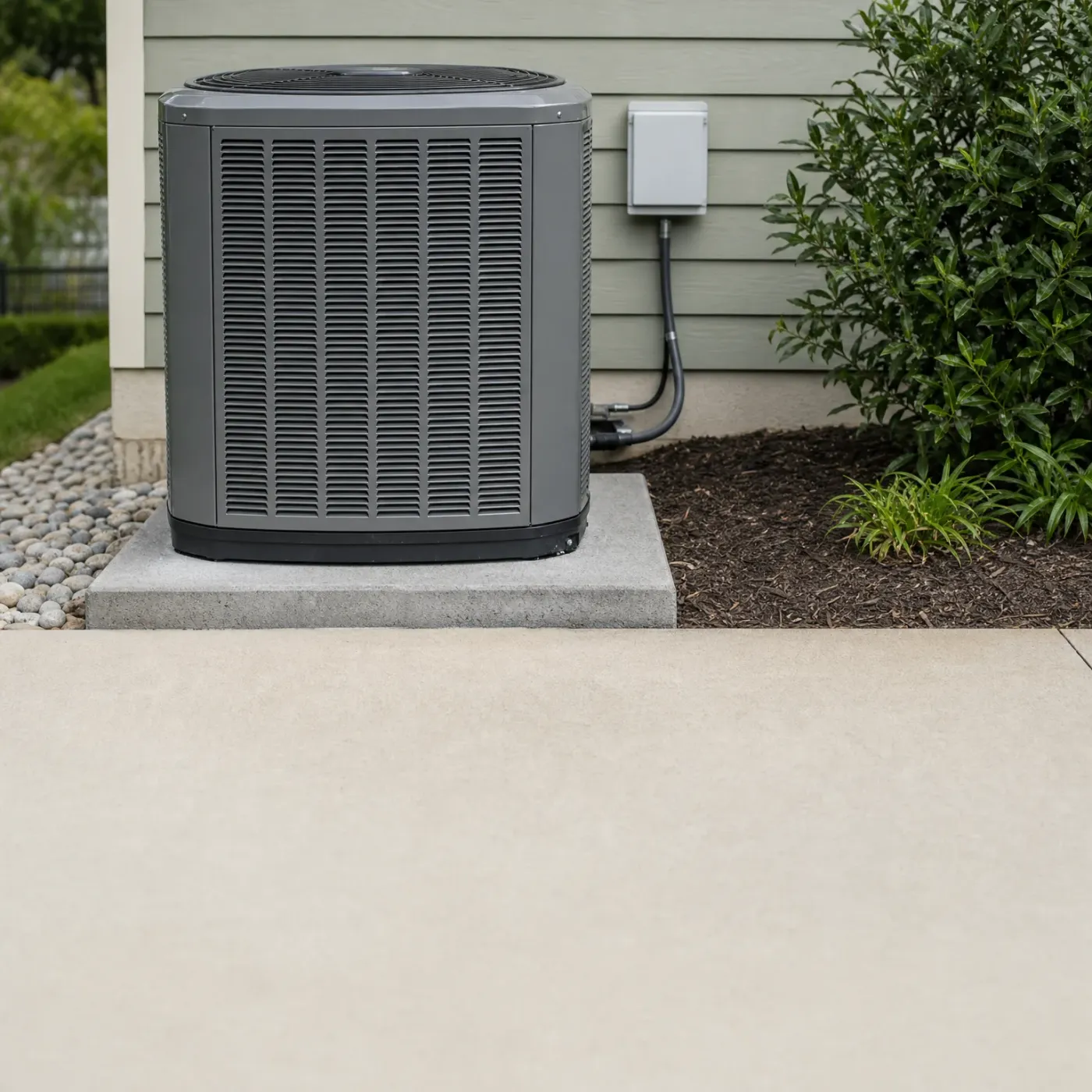
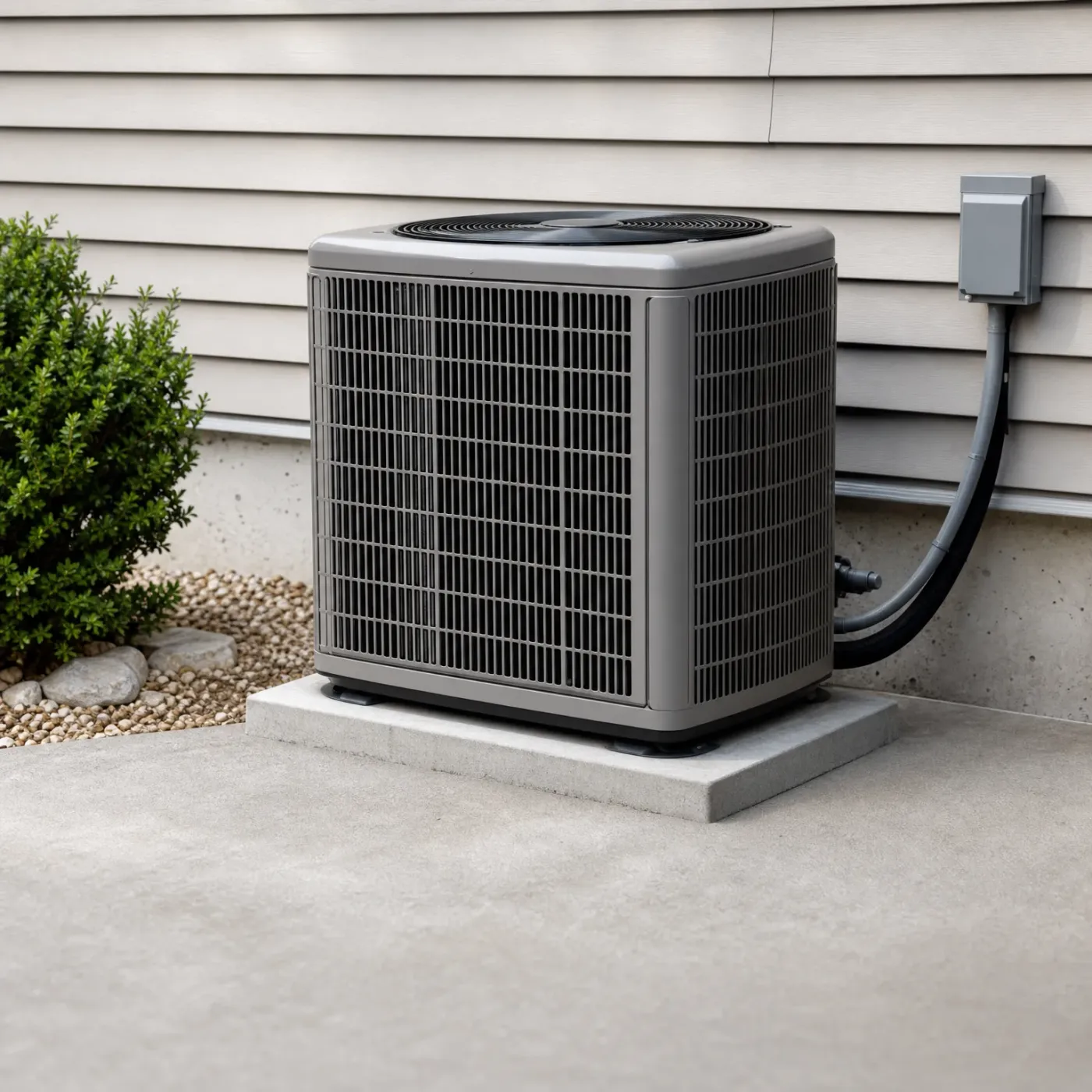
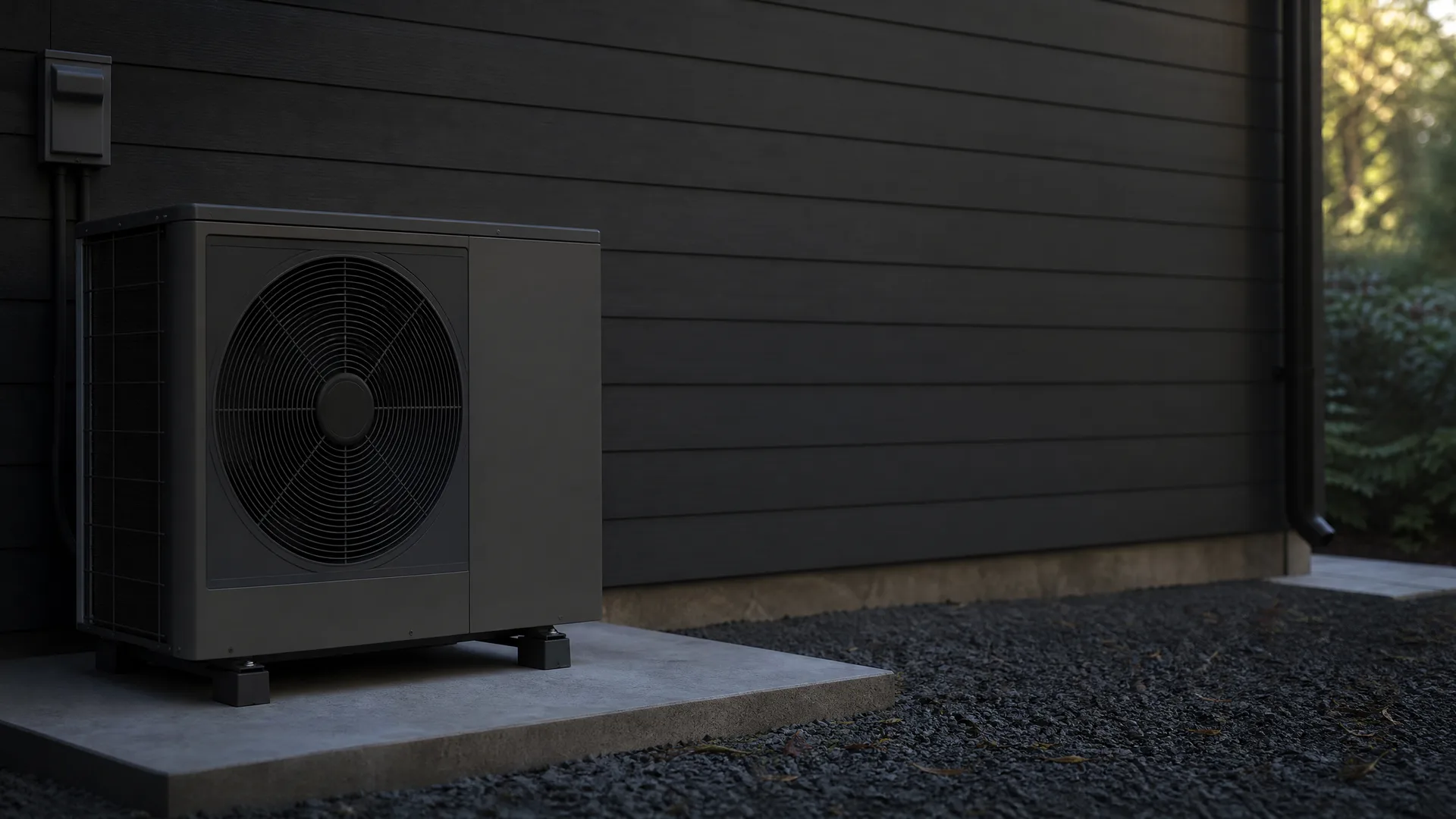
Clear coil, clear path for the refrigerant lines to the disconnect box, nothing in the way. The unit cycles on and off like it's supposed to, pulling what heat it can from the cold and shutting off once the thermostat is satisfied.
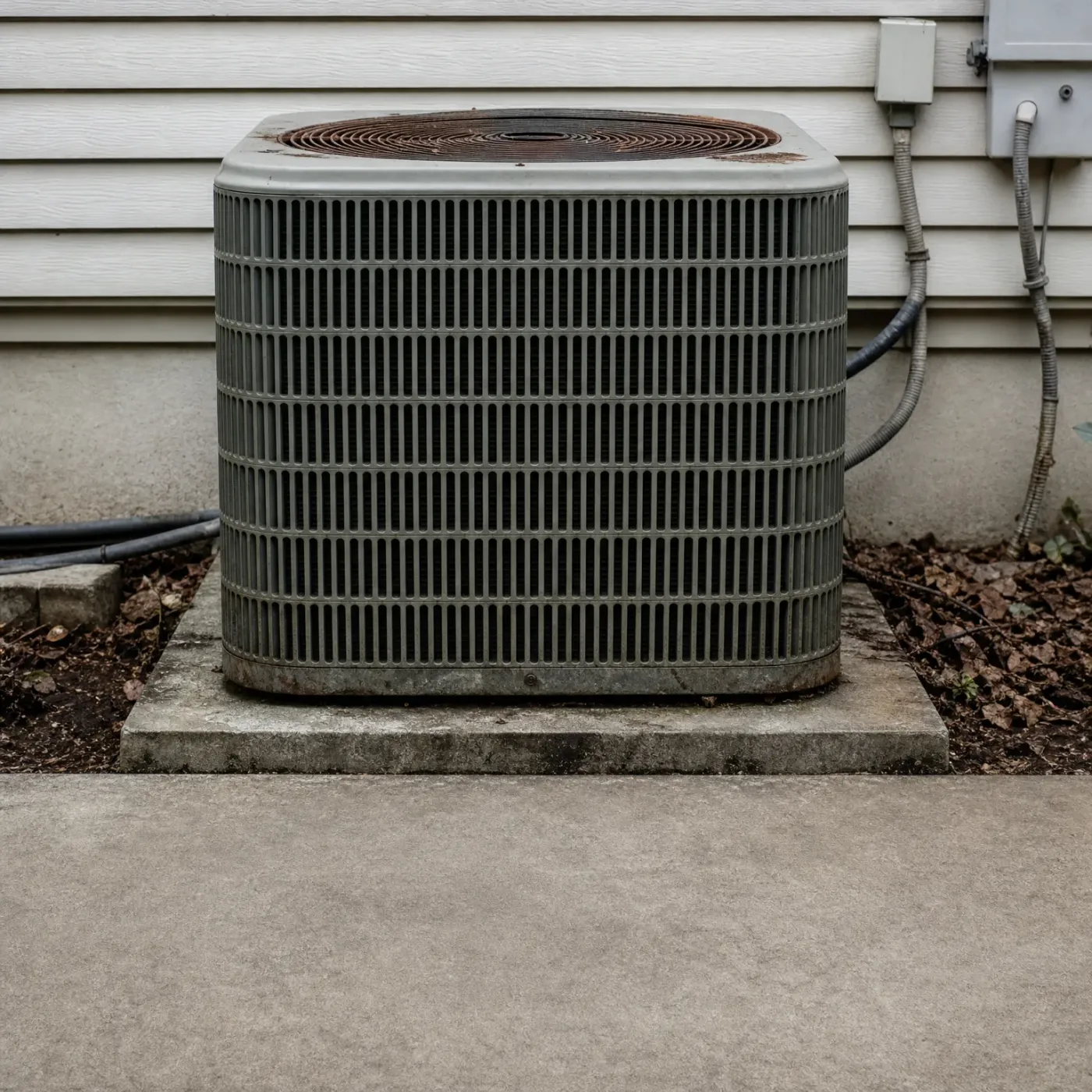
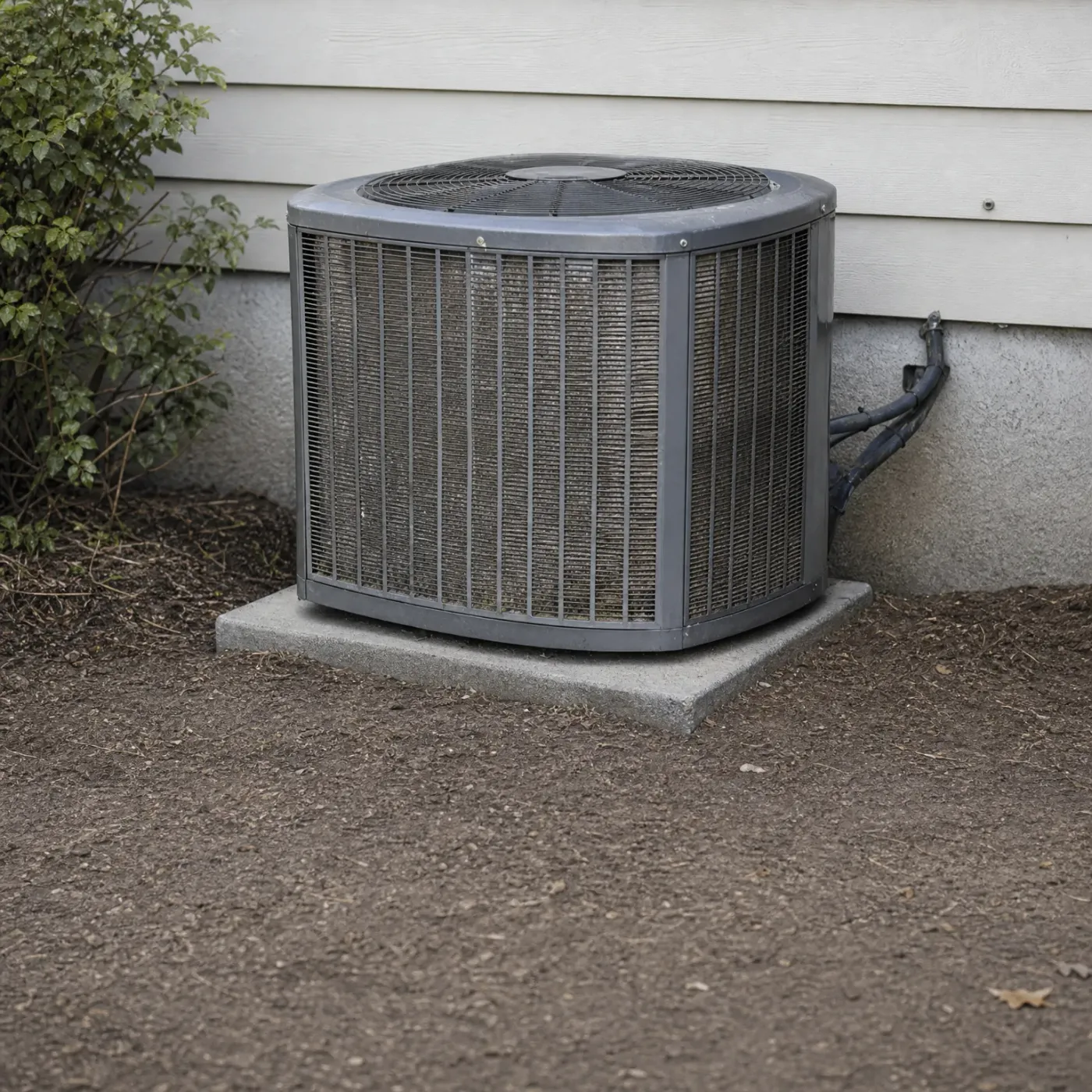
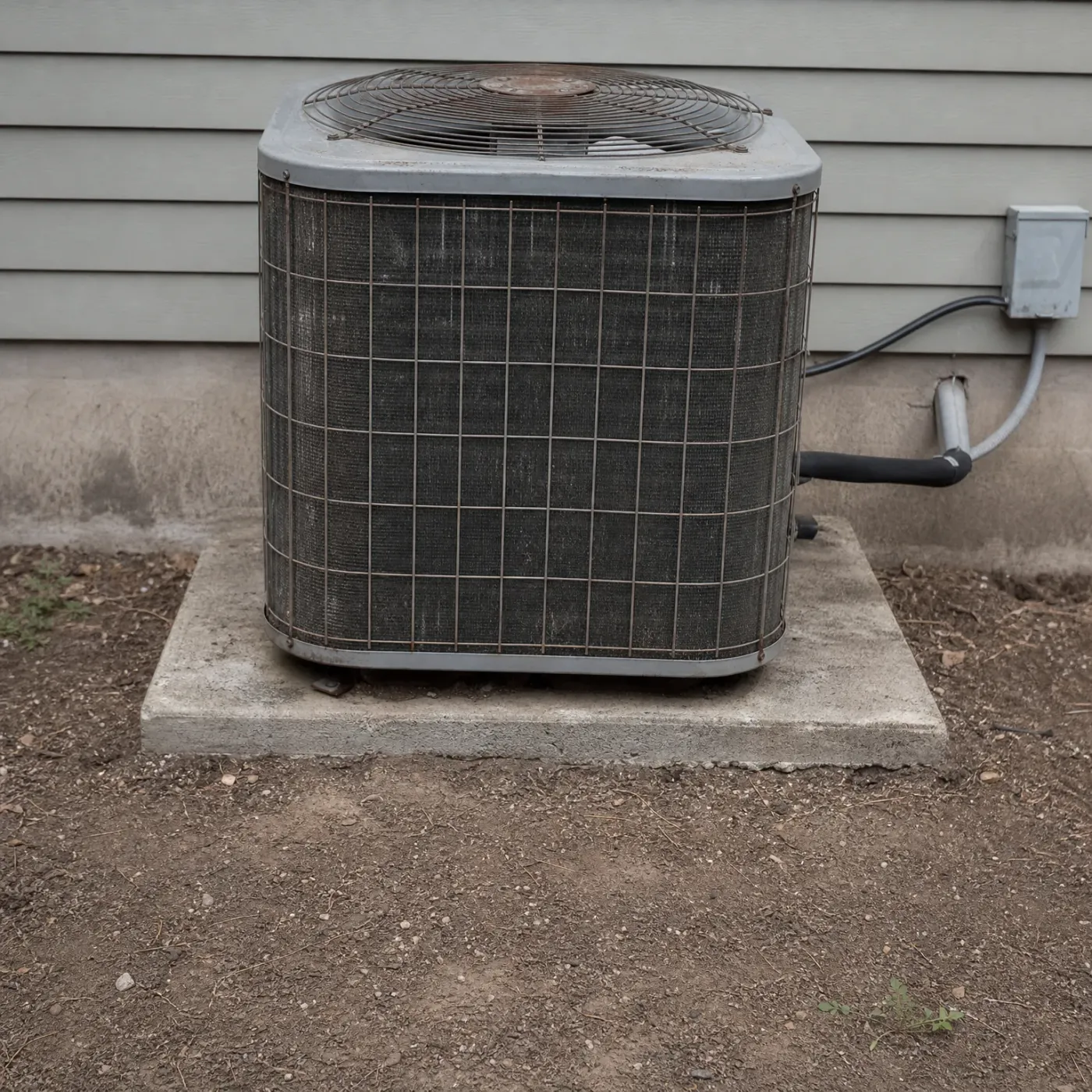
Rust across the top grille and dirt built up around the base mean the coil underneath isn't getting clean airflow. A unit in this shape works longer for less heat, and that extra run time is what shows up on your bill.

A higher bill in January isn't your heat pump failing. It's the machine doing harder work against colder air, leaning on backup heat when it has to, running defrost cycles when frost builds on the coil. That's the plain answer. What turns a normal winter jump into a bigger one is usually something small gone wrong first: a coil that's dirty, a defrost cycle that's stuck running too long, a unit short on refrigerant. Those are the kind of problems worth catching early, before a cold snap turns them into a much bigger number on the bill.
Finding out which one you're dealing with means someone looking at the unit itself, not guessing from the thermostat. If you'd rather skip the part where you search for a contractor, call around, explain the same problem twice, and sort through quotes, this page can hand that off for you. You'd know where you stand with one look at the unit instead of a stack of estimates.

Describe your heat pump job once, to one pro.