
Normal operation
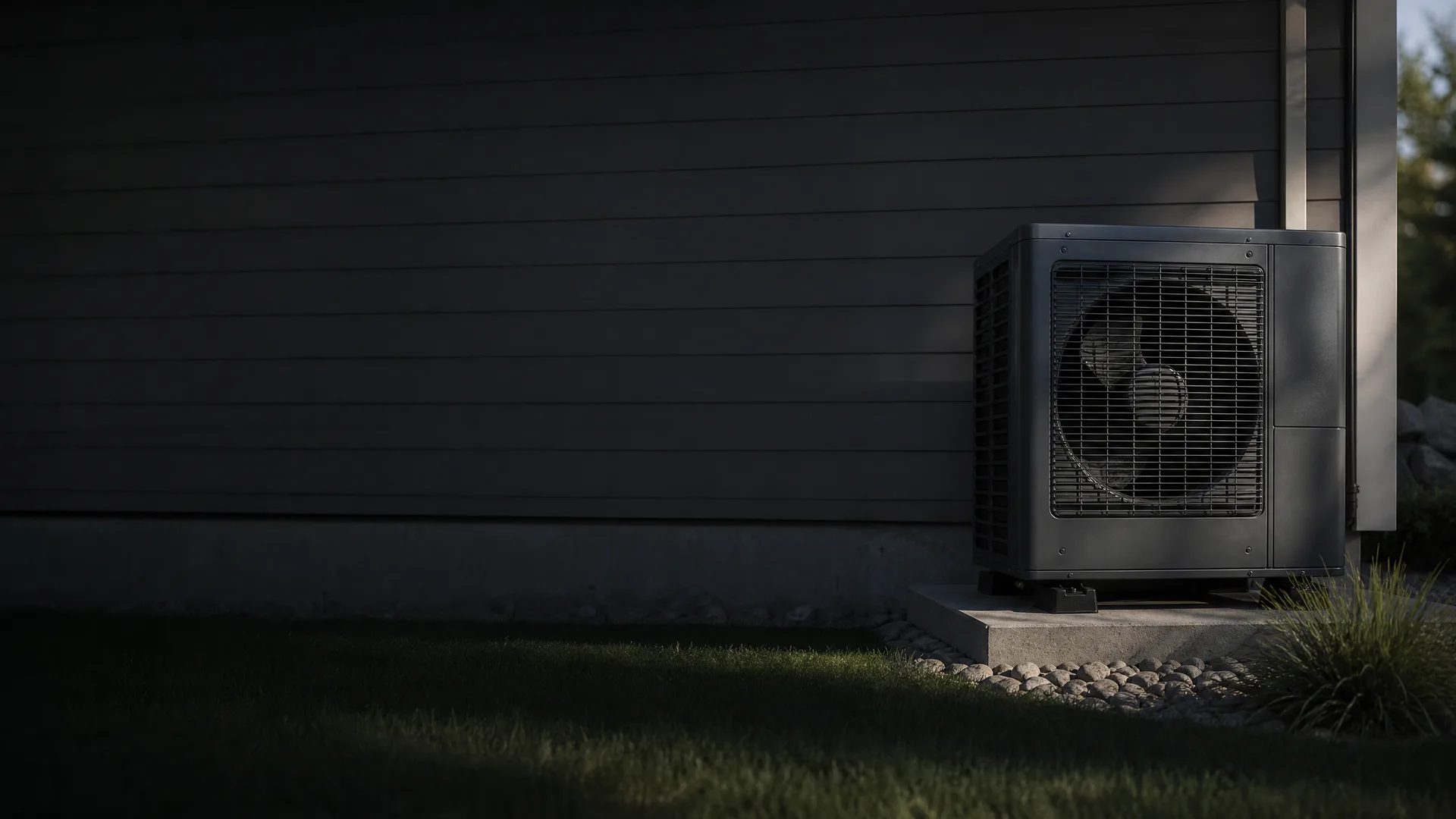
This is what a quiet winter looks like. The fan turns steadily, the lines stay clear, and the cabinet runs clean. No rattle, no grinding, just the low hum of the compressor doing its job in the cold.
 Send my request
Get the heat pump repair search off your mind today.
A heat pump works harder in a Wisconsin winter than it ever does in July, and the noises change with the load. A low hum when it starts is normal. A sharp rattle, a clicking that won't stop, or a grinding sound from the outdoor unit is not. Cold doesn't cause that on its own. Something inside is loose, worn, or struggling against the ice and wind it wasn't built to fight alone.
Some of what you hear is just winter doing winter things. A defrost cycle kicking on sounds different than regular running, and that's the system clearing frost off the coil so it can keep pulling heat from outside air that's well below freezing. But a new sound, one that started this week and wasn't there last month, usually means a part has shifted, cracked, or is about to fail. Waiting on that in January costs you heat, and with power priced the way it is here, it costs you on the bill too.
Most homes in Wisconsin lean on gas furnaces, so a heat pump running through a hard winter already does more than it was maybe built to expect from the people who installed it. That makes it worth having someone look at it who works on this equipment all season, not just when the leaves turn. Someone local knows which parts give out first in weather like this and can usually tell from the sound alone what's going wrong before they ever open the panel.
Send the request and the search for that person is off your plate. You won't be fielding calls from five different companies trying to win the job. One licensed contractor near you gets the details, and from there it's their work to figure out, not yours to chase down.
A heat pump sitting outside in a Wisconsin winter is going to make more noise than it does in July, and most of that comes down to defrost. When the outdoor coil gets cold enough, frost builds on it just like frost builds on a car windshield overnight. The unit has to stop, reverse itself, and run hot refrigerant through that coil to melt the frost off before it can keep heating your house. That reversal is where the clunk or whoosh comes from, and it's normal. What isn't normal is a grinding sound, a rattle that keeps going, or clicking that doesn't stop once the cycle finishes. Those point to something mechanical: a fan blade hitting ice or debris, a loose panel, or a motor bearing wearing out. In weather this cold, a heat pump that can't defrost properly or is fighting a failing motor will run longer and still fall behind on heat. If the noise isn't the normal defrost sound, it's worth having someone look at it before it gets worse.




The pro who reaches out is licensed in Wisconsin.
Sending the form costs nothing.
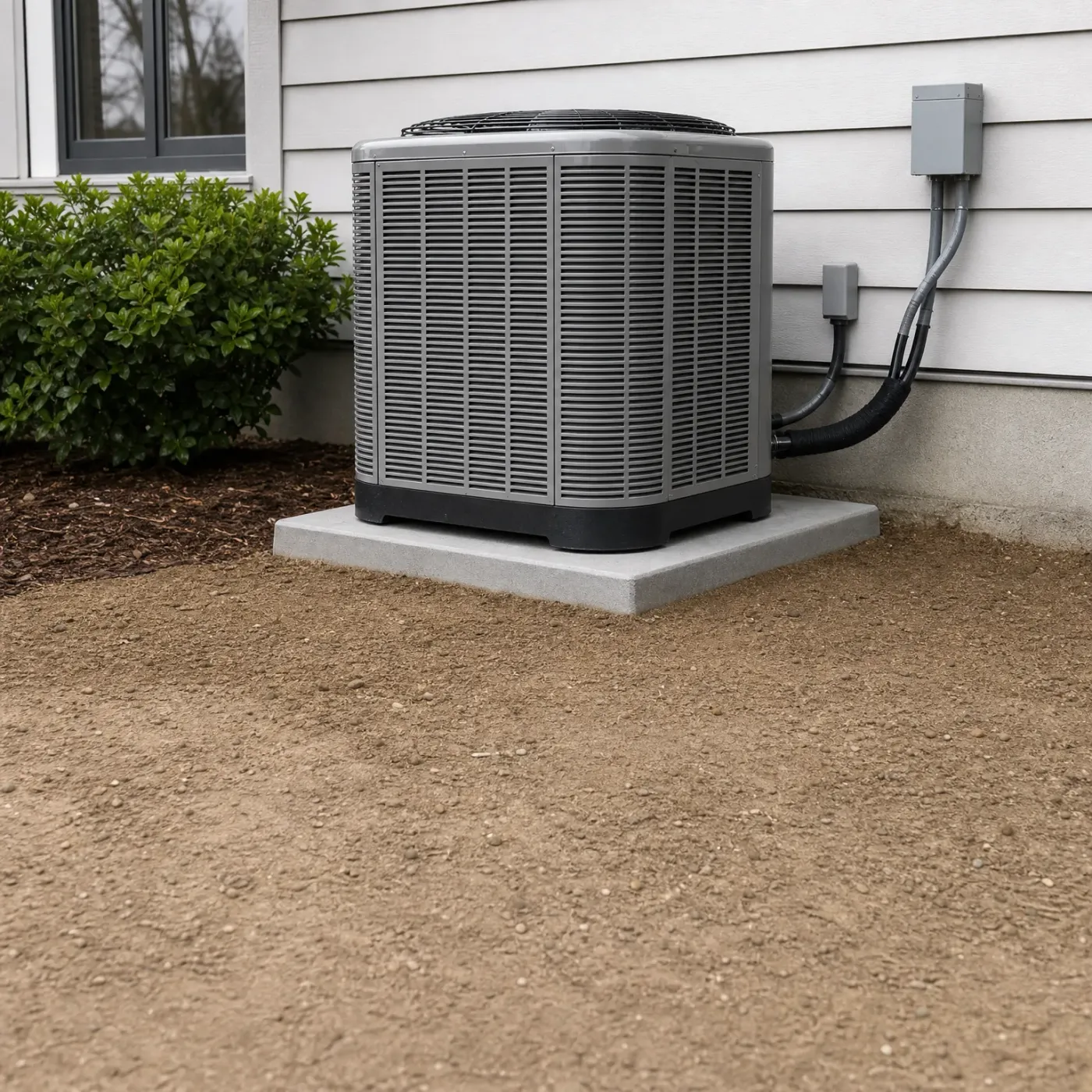
This is what a quiet winter looks like. The fan turns steadily, the lines stay clear, and the cabinet runs clean. No rattle, no grinding, just the low hum of the compressor doing its job in the cold.
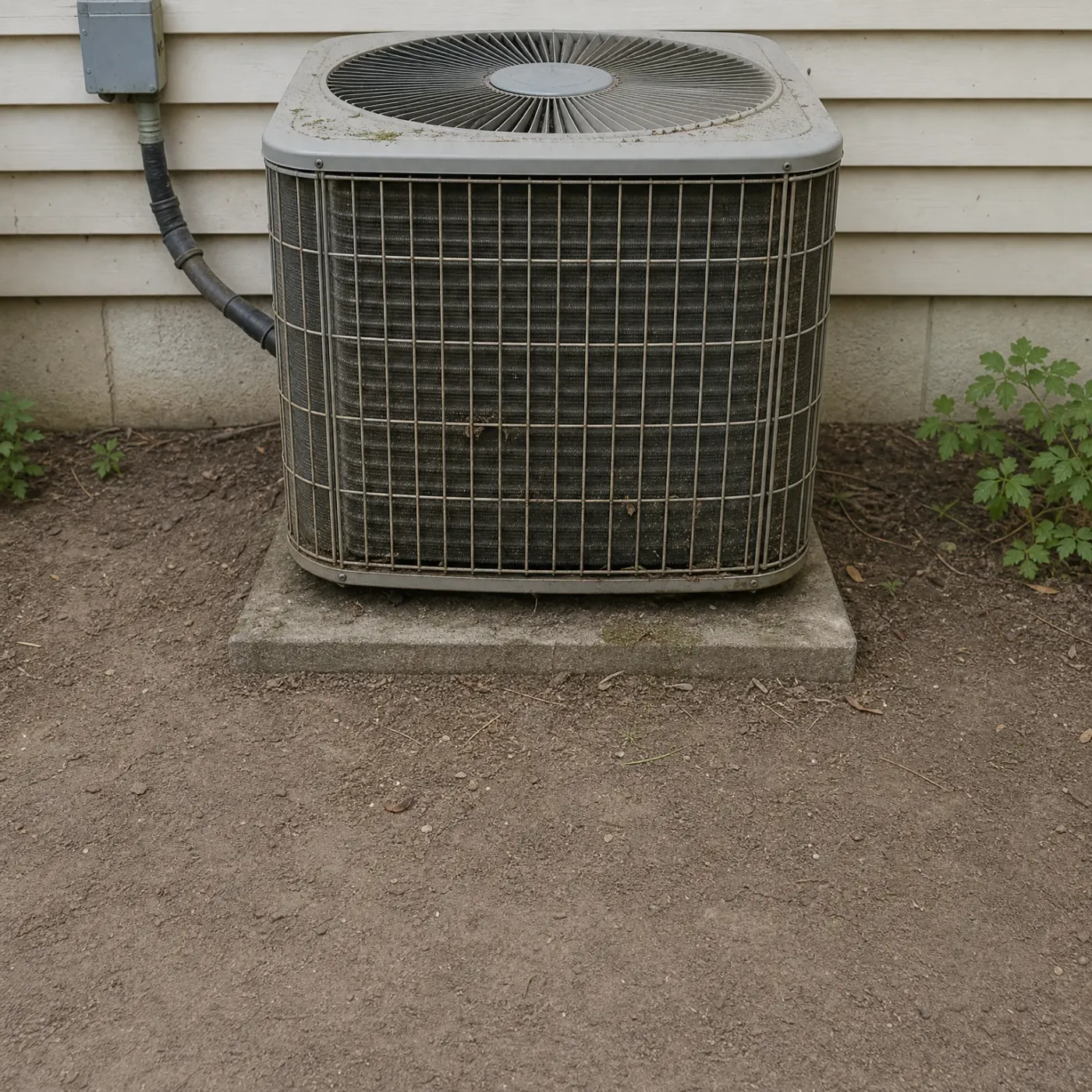
Dust and grime packed into the fins and grille force the unit to work harder to move air across the coil. That extra strain is where new noise comes from, and it's worth having someone check before a Wisconsin cold snap makes it worse.
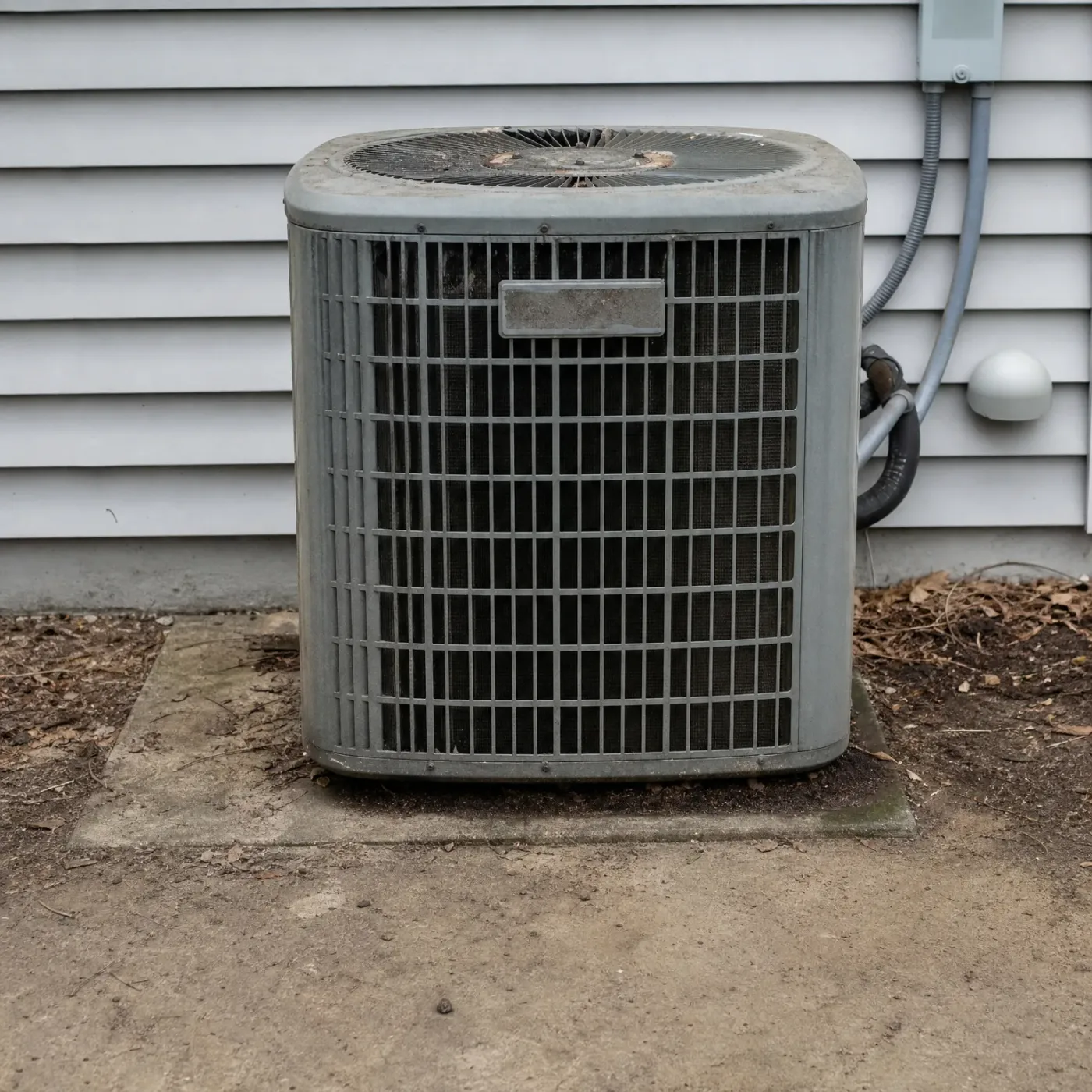
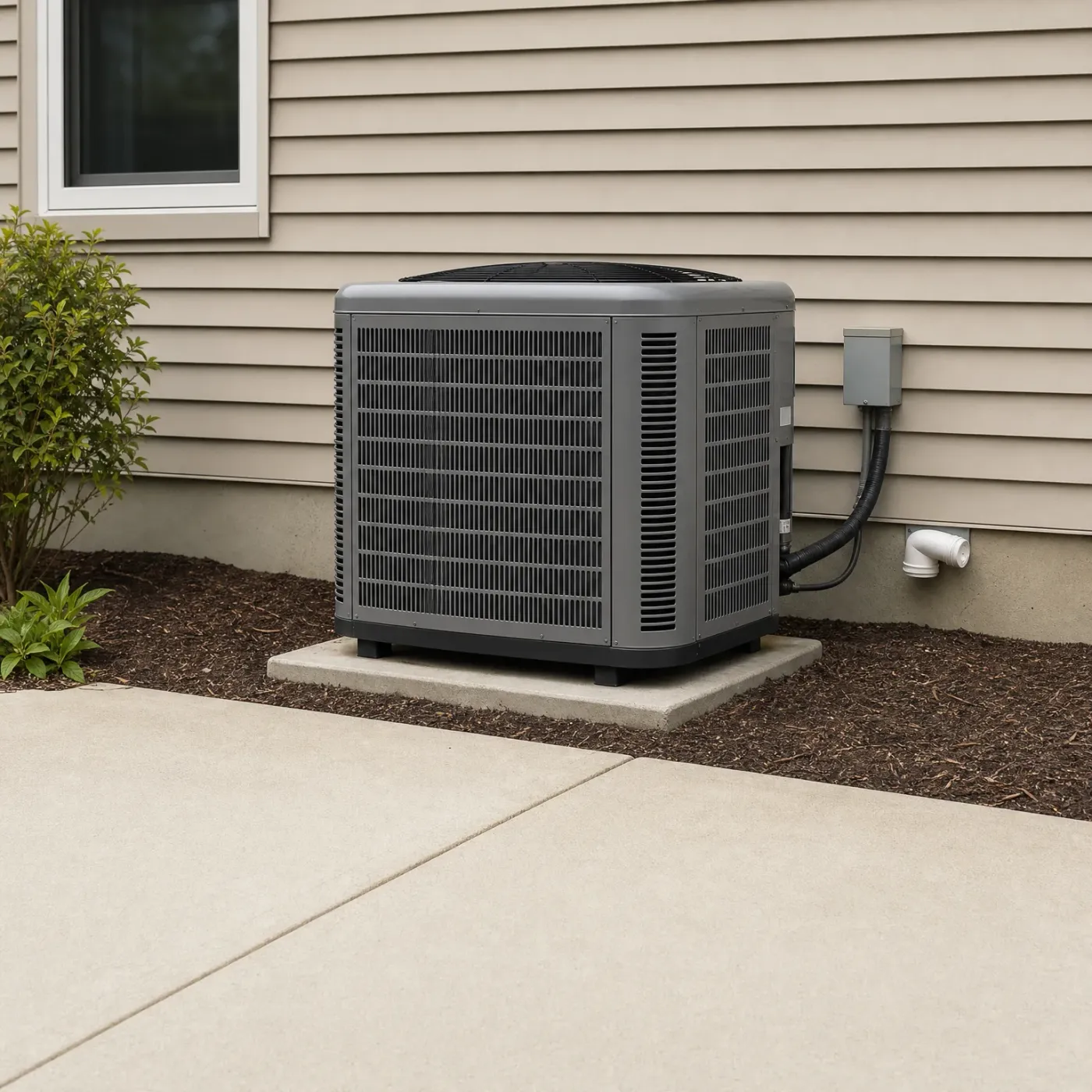
The defrost cycle runs the reversing valve backward for a few minutes at a time, pulling heat from inside the house to melt the ice off the outdoor coil before switching back.
That's the whoosh and the clunk you hear partway through a cold afternoon. It should start, run a few minutes, and stop clean, not repeat every half hour or drag on without end.


Outdoor coil temperature drops below freezing as heat transfers indoors.
Frost builds across the coil fins and blocks airflow.
A sensor detects reduced airflow and starts the defrost cycle.
The reversing valve switches, sending hot refrigerant gas outside.
At 18.08 cents per kilowatt-hour, every extra minute your heat pump runs to fight ice or a bad part shows up on the bill fast. A noise that means it's working harder than it should is one worth having looked at, not lived with.
EIA-861 2025 statewide residential average
A heat pump in a Wisconsin winter is working through cold most systems never see, and the sound it makes is information, not just noise. A steady hum while the defrost cycle runs is the unit doing exactly what it's built to do. A rattle that comes and goes, a grinding from the cabinet, or a clicking that won't settle down is a part that's struggling against the load rather than working with it.
Left alone through a stretch of single digit nights, a small problem doesn't stay small. A loose panel or a worn motor bearing that would be a quick fix in November can turn into a compressor failure by January, and that's a repair nobody wants to be scheduling in the middle of a cold snap.
This is where knowing the sound matters. A contractor who services heat pumps through a full Wisconsin winter has heard the difference between a cabinet that needs a screw tightened and a motor that's on its way out, and that's usually something they can narrow down by listening before they ever open the unit up. Sending a request through this page puts that one contractor on your unit, not a handful of companies working the phones. Local, licensed, and familiar with this specific machine in this specific cold, they're positioned to tell you what the sound means and what it'll take to quiet it. The hum is fine. Everything past the hum is worth a second opinion from someone who hears it every winter.
Only one pro gets your request, so you hear from one company.