

Why your heat pump runs nonstop in a Wisconsin winter
Describe your heat pump job, and a local pro who handles it gets in touch.
Get matchedWhy does my heat pump run nonstop in winter?
Below zero or close to it, your heat pump seems like it never shuts off. The outdoor unit keeps running, the indoor fan keeps blowing, and you're left wondering if something is broken or if it's working harder than it should. In a Wisconsin winter, that question matters, especially with power costing what it does here.
It's pulling heat from colder air, so it has to run longer to keep up
A heat pump moves heat from outside air into your house, and the colder that air gets, the less heat it holds and the longer the system has to run to move the same amount indoors. On a Wisconsin day in the teens or single digits, long runtimes are normal, not a sign of failure. Most homes here lean on gas furnaces for the coldest stretch, and if yours doesn't have a working backup heat source kicking in alongside the heat pump, it will run close to nonstop trying to cover the load on its own. If the house still isn't getting warm, or the unit is icing over and not clearing itself, that's when it needs a licensed technician to look at it.

The bedroom is sticky at eleven at night. You kicked the sheet off an hour ago and it's still damp where your legs were. The window's fogged along the edges, Wisconsin's August air pressing against the glass from outside. Down the hall you can hear the outdoor unit running, that low hum that hasn't stopped since dinner. You get up, stand in front of the vent, and the air coming out feels barely cool. Not warm. Not cold either. You go back to bed, turn the pillow to the dry side, and lie there listening for the unit to shut off. It doesn't.
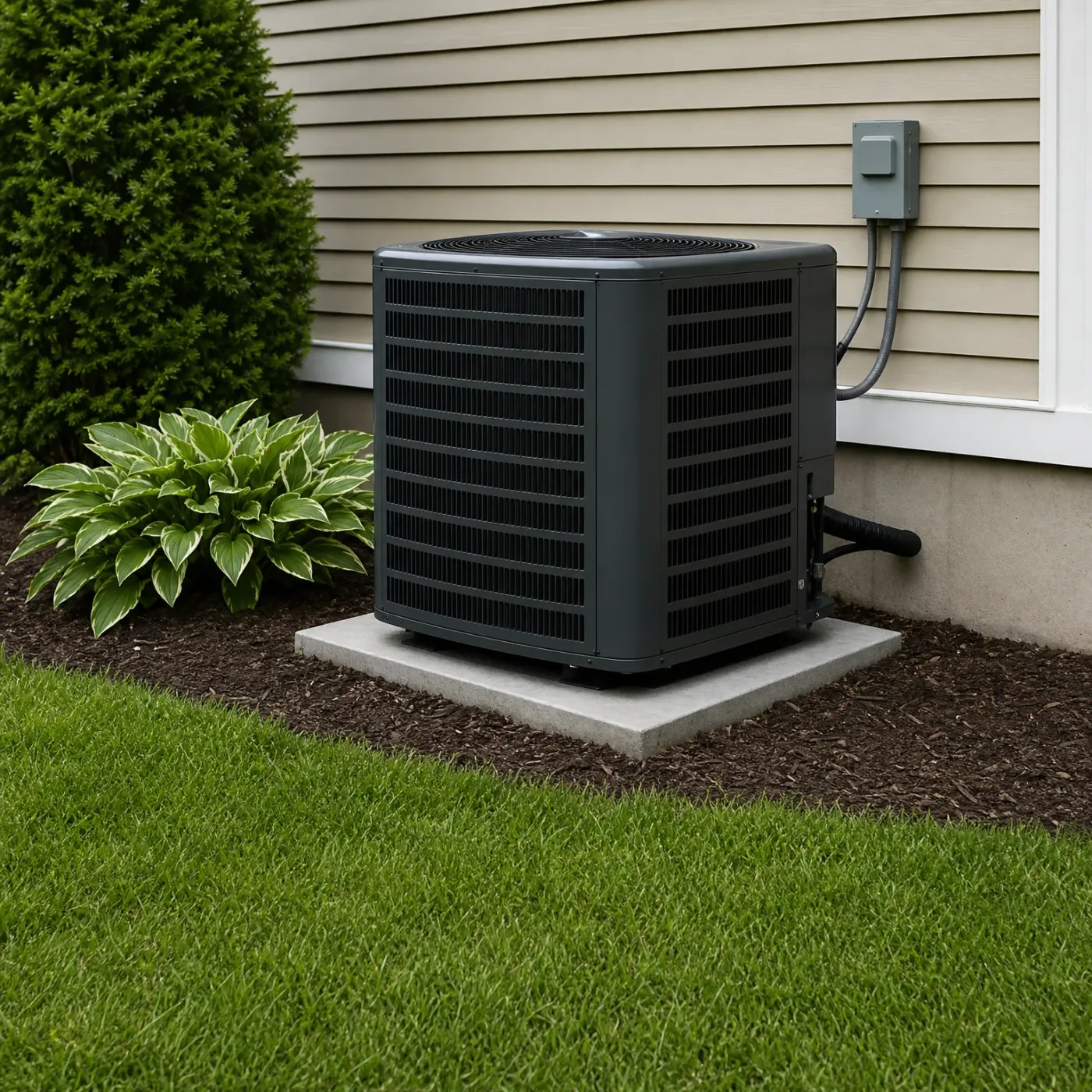
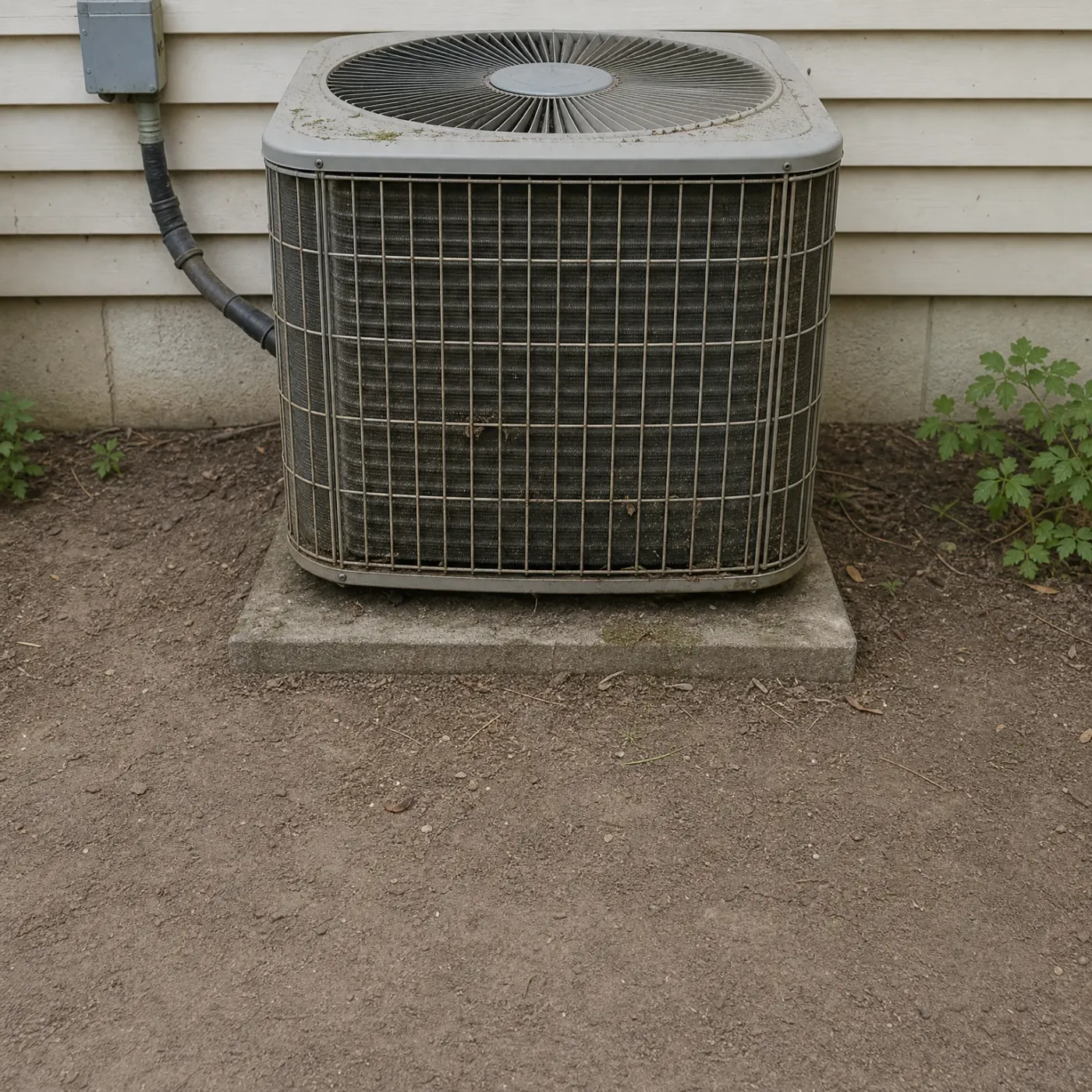
A heat pump moves heat, it doesn't make it, and that's why cold weather changes how it runs. Inside the outdoor unit, refrigerant absorbs heat from the outside air, even air that's well below freezing still holds some, and a compressor carries that heat inside to warm your house. As the air outside gets colder, there's less heat in it to grab, so the system has to move more air across the coil and run longer to pull out the same amount. Below freezing, frost builds on that outdoor coil the same way it builds on a windshield, and the unit has to pause and run a defrost cycle to melt it off before it can keep pulling heat. That's also when you'll see a backup heat source, usually electric strips, kick in to cover the gap while the heat pump works through the cold. None of that is the unit struggling. It's the cycle doing what it's built to do when there's less heat outside to work with.



That same humidity works against your heat pump in a different way come summer. A 60°F dew point is the kind of muggy that sits on your skin, and the average comes from NOAA climate data for Wisconsin. Your heat pump has to pull that moisture out of the air before the house feels comfortable, not just drop the temperature, so the system logs long run hours in July the same way it does in January, for a different reason. If the coil's dirty or the charge is off, it'll run even longer and still leave the air feeling heavy. A contractor who works on heat pumps in this state year-round, through the humid summers and the deep cold, knows both sides of that load and what tends to give out first. Getting matched with one local tech who already knows the equipment beats explaining your system from scratch to whoever picks up.
NASA POWER T2MDEW county cells weighted by homes
A local pro for your heat pump repair
A heat pump running nonstop on a cold Wisconsin night isn't always a sign of trouble, but you don't have to guess which one you're looking at. A local contractor who works on heat pumps all winter can tell you fast whether the long run time is normal strain or a frozen coil, a low charge, or a defrost cycle that's stuck. That matters here, where gas is the usual way to heat a house and electricity isn't cheap, because a heat pump running longer than it should shows up on your power bill before it shows up as a breakdown. Getting it looked at means one contractor, local to you, who's seen how heat pumps behave in a Wisconsin winter and knows what usually goes wrong when the temperature drops. You're not stuck sorting out whether the noise from the outdoor unit is normal operation or a sign the system's falling behind. Someone who does this work every winter can tell you which one you've got.
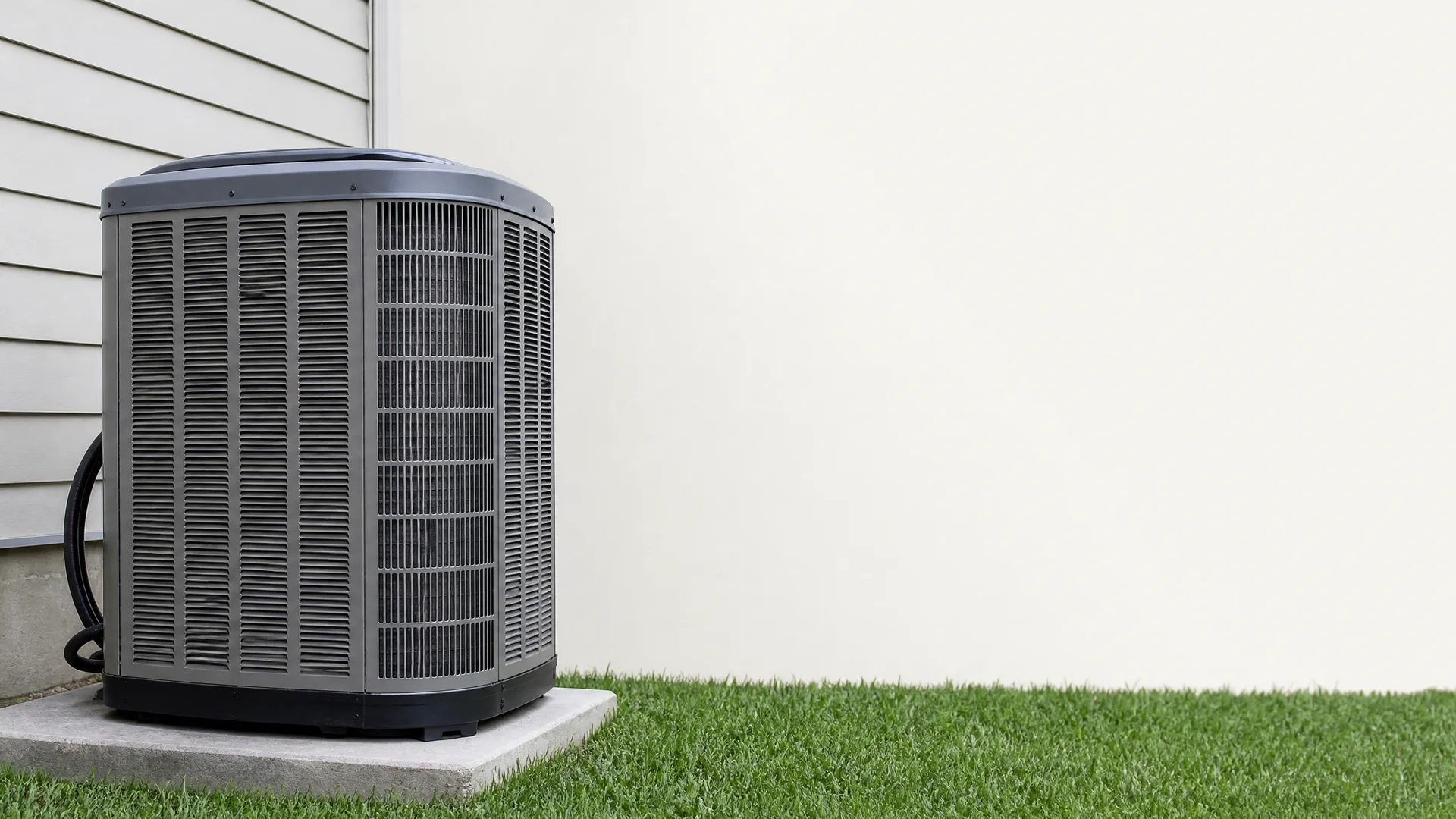
Defrost cycles add to run time
Frost builds on the outdoor coil when the air is cold and damp, and the unit has to stop and melt it off to keep working. During defrost it reverses itself for a few minutes, sends heat outside instead of in, and the indoor fan may kick on to keep warm air moving through the house. Add up a handful of these over a night and the system looks like it never stopped, when really it was just clearing ice so it could keep pulling heat from the air.
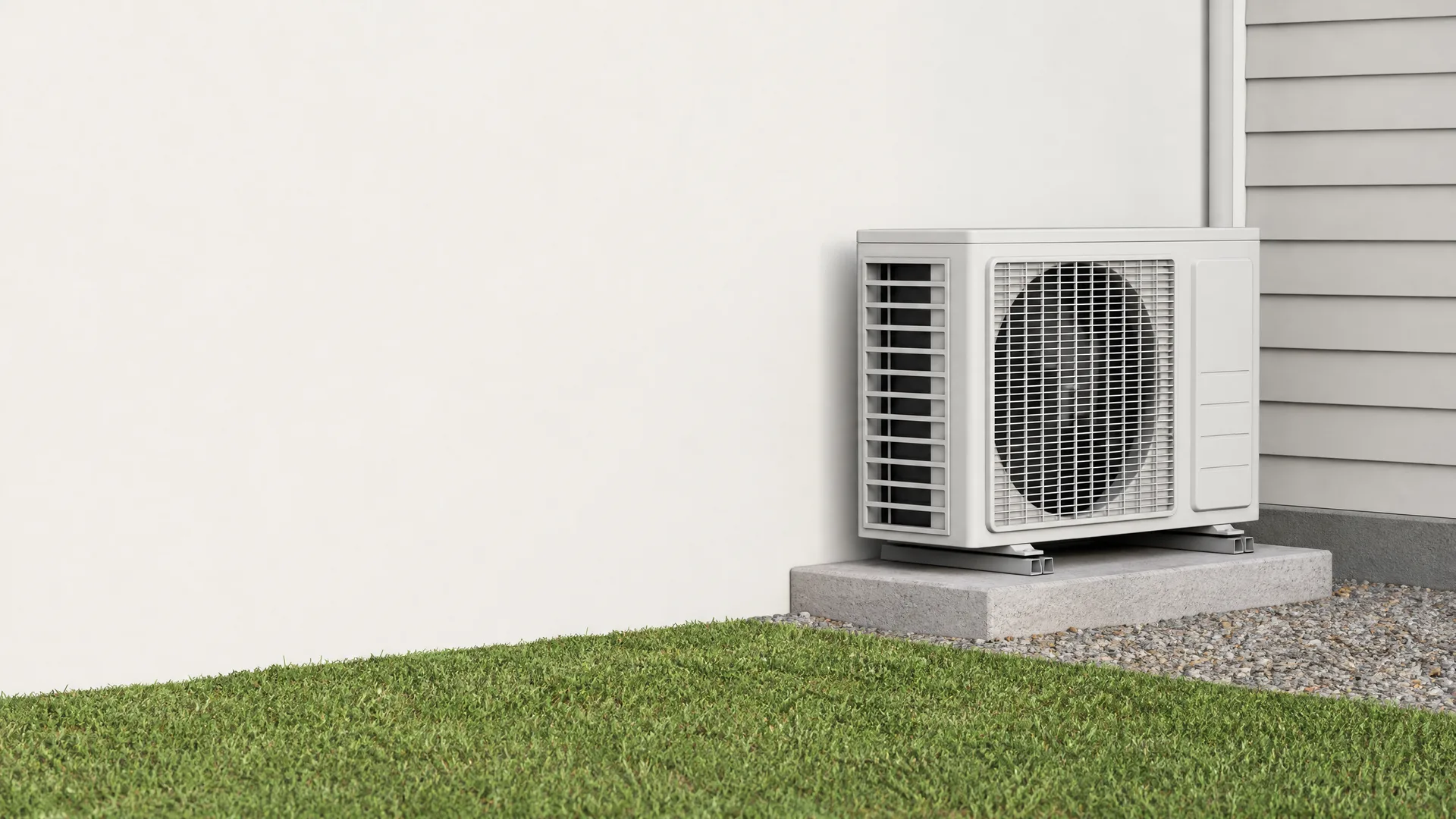
Backup heat kicks in below freezing
Most heat pumps in Wisconsin pair with an electric or gas backup for the coldest stretches, since the colder the air, the less heat there is to pull from it. When the outdoor temperature drops far enough, that backup switches on to carry part of the load alongside the compressor. You might notice the indoor air feels warmer on those nights, or your gas or electric use ticks up. That's the backup doing its job, not the heat pump failing at its own.
What are you noticing about your own heat pump
You might notice the outdoor fan never stops, even at two in the morning. Inside, the air coming out of the vents feels cooler than you expect heat to feel, though the room still warms up over time. The thermostat might show it's still a few degrees short of your setpoint, running and running to close the gap. Sometimes you'll hear a whoosh or a shift in sound for a few minutes, that's the defrost cycle, and it's normal. What's worth paying attention to is ice building up on the outdoor unit that doesn't clear on its own, or a system that runs constantly but never actually reaches your setpoint. Left alone, that kind of strain on a cold night can mean higher bills and a unit working harder than it should, with no payoff in comfort.

Refrigerant in the outdoor coil absorbs heat from the cold air.
A compressor squeezes that refrigerant to raise its temperature.
Hot refrigerant carries that heat inside through the line set.
The indoor coil releases that heat into the air your vents blow.
Backup Heat or a Struggling System
Backup heat kicks in
- Most heat pumps in Wisconsin pair with electric resistance coils or a furnace for the coldest stretches of the night.
- When the outdoor temperature drops low enough, the system leans on that backup source instead of the heat pump alone.
- This is built into how the system is set up, so it switching on isn't a sign anything failed.
- Power here is expensive, so backup heat running for hours adds more to the bill than the heat pump working alone.
- You might notice the air coming out of the vents feels warmer than usual during these stretches.
Heat pump is struggling
- A low refrigerant charge makes the system work longer to move the same amount of heat, and it never catches up.
- A failing defrost control can leave frost built up on the outdoor coil without ever clearing it.
- A compressor nearing the end of its life draws more power and still falls short of keeping the house warm.
- If the outdoor unit is buried in snow or ice, it can't pull heat from the air no matter how long it runs.
- A thermostat set wrong for a heat pump can call for backup heat constantly instead of using it only when needed.




Power costs 18.08 cents per kilowatt-hour statewide
At 18.08 cents a kilowatt-hour, every hour your heat pump runs nonstop costs more here than it would in most states. Long run times on a cold night aren't automatically a problem, but if the unit is struggling instead of just working steadily, you'll feel it on the bill before you see it anywhere else.
EIA-861 2025 statewide residential average

A heat pump that runs all night isn't always one that needs help
Long run times on a cold Wisconsin night are usually the system doing its job. Cold air holds less heat to pull from, so the outdoor unit works longer to move enough of it inside. That's normal, and the steps above walk through why.
What's worth a second look is the unit that struggles instead of just working steadily: short cycling, ice that doesn't clear after defrost, or a system that can't keep the house warm no matter how long it runs. If that's what you're seeing, a local contractor who services heat pumps through Wisconsin winters can look at your specific setup and tell you what's normal strain and what isn't. You'd be matched with one contractor, not several, someone who already knows what tends to fail on these units in weather like this and can speak to your system directly instead of guessing over the phone.

Get the right pro for your heat pump